


.svg)
.svg)





.png)



















































Simplify your customs today
Calculate duties and taxes

.avif)
.avif)
.svg)
Streamlining customs clearance

.svg)
.svg)
.svg)
.svg)
import into canada
Import into the USA
.avif)
© 2026 Borderbuddy, All rights reserved.
Designed by SupaStellar


One of the most frustrating surprises in importing to Canada happens at the very end of the process.
The shipment arrives. Delivery is scheduled. Then a charge appears.
People often react with:
This post explains why Canadian customers are charged at delivery, based entirely on how this issue shows up in real import situations.
A common assumption is:
In reality, customs clearance and delivery are connected but separate steps. In many cases:
This timing gap is what confuses.
Why Charges Often Appear at the Door
From customer patterns, charges appear at delivery because:
From the recipient’s perspective, it feels sudden. From the clearance perspective, it’s procedural. With many imports, the carrier pays duties and taxes upfront to release the shipment, then collects that amount from the recipient at delivery. This is one of the most common reasons charges appear at the door rather than earlier. This is especially common with courier shipments (FedEx, UPS, DHL), where charges are often collected at delivery unless duties were prepaid.
Many people expect import charges to be:
But this only happens when:
When that doesn’t happen, collection is deferred until delivery.
Charges are much less likely when the shipment is sent Delivered Duty Paid (DDP), meaning duties and taxes are prepaid. When shipments are sent Delivered at Place (DAP), the recipient is typically responsible for delivery.
A very common reaction is:
“I already paid tax. Why am I paying again?”
This confusion comes from mixing:
Taxes and duties assessed at the border are tied to importation, not the original purchase transaction. That distinction is rarely clear until delivery. Another common source of confusion is that the delivery bill may include more than just CBSA charges. Carriers often add significant brokerage, handling, or disbursement fees to manage clearance and advance payment.
Another surprise point is that the amount due at delivery doesn’t match expectations.
Based on real situations, this happens when:
When the final numbers change, the collection point often shifts to delivery.
Delivery-stage charges are especially frustrating because:
This is why delivery charges generate more confusion than charges assessed earlier in the process.
Based on what we see repeatedly, delivery charges are less likely when:
Most frustration comes from learning about costs at the very last step.
Delivery charges continue to surprise people because:
By the time the charge appears, options are limited.
Being charged at delivery doesn’t usually mean something went wrong. It means:
The problem isn’t the charge itself. It’s discovering it too late.
The easiest way to avoid delivery-stage surprises is to estimate costs early.
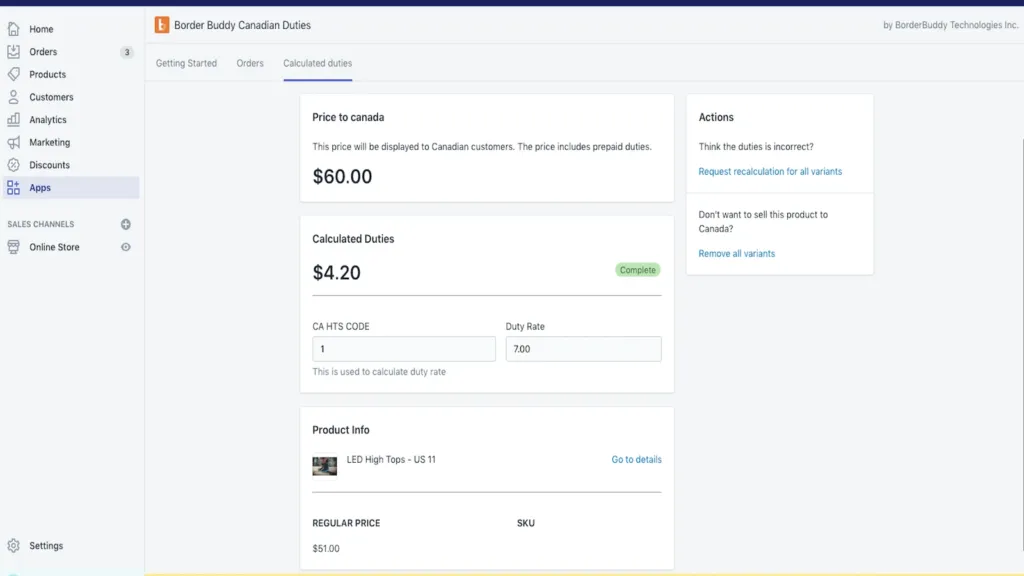
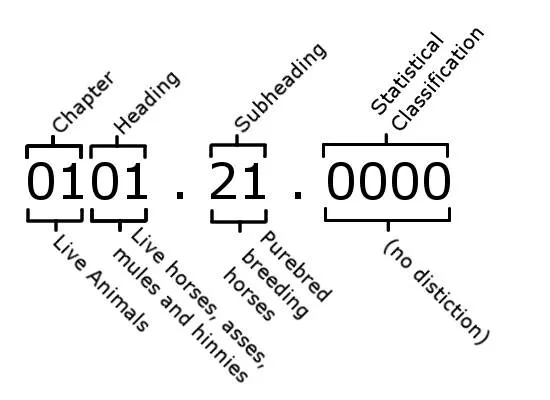
Use the BorderBuddy duty & tax calculator to get a quote. It helps you understand the expected duties and taxes, potential additional charges, and the total landed cost before the shipment arrives. BorderBuddy’s calculator also uses AI to help classify goods under the correct HS (Harmonized System) code, a key factor in determining the duty rate applied to an import.
People surprised by delivery charges usually ask next:
If you still didn’t find what you were looking for, BorderBuddy is here to help.
Our team can help you get clear answers and avoid border delays.

.svg)
.svg)