


.svg)
.svg)




.png)
















































Simplify your customs today
Calculate duties and taxes

.avif)
.avif)
.svg)
Streamlining customs clearance

.svg)
.svg)
.svg)
.svg)
import into canada
Import into the USA
.avif)
© 2026 Borderbuddy, All rights reserved.
Designed by SupaStellar


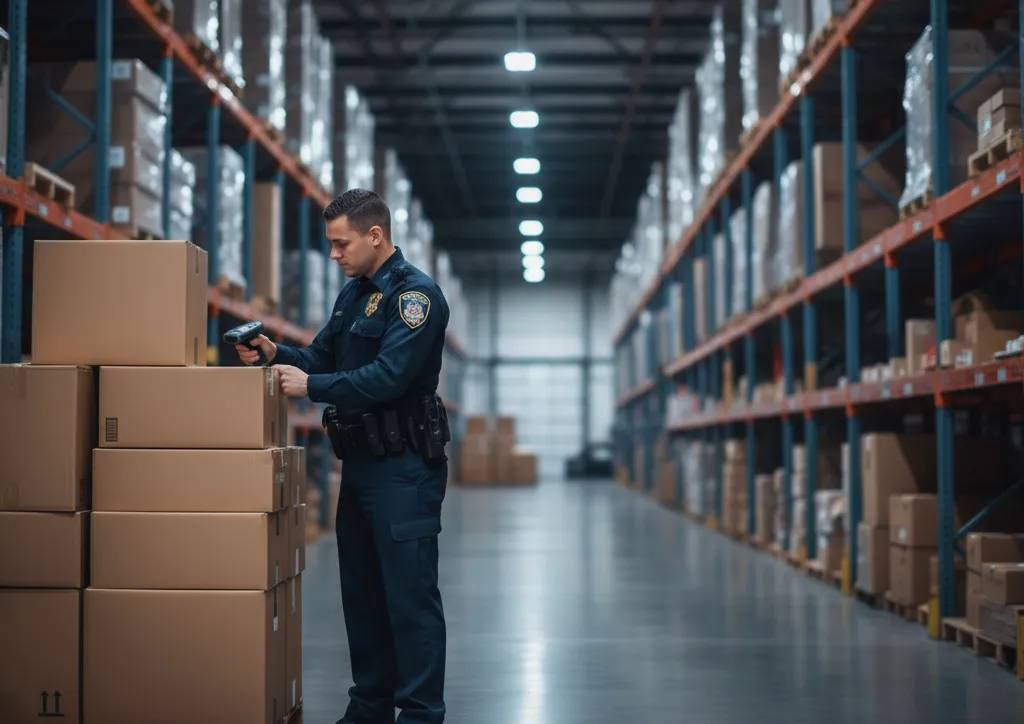
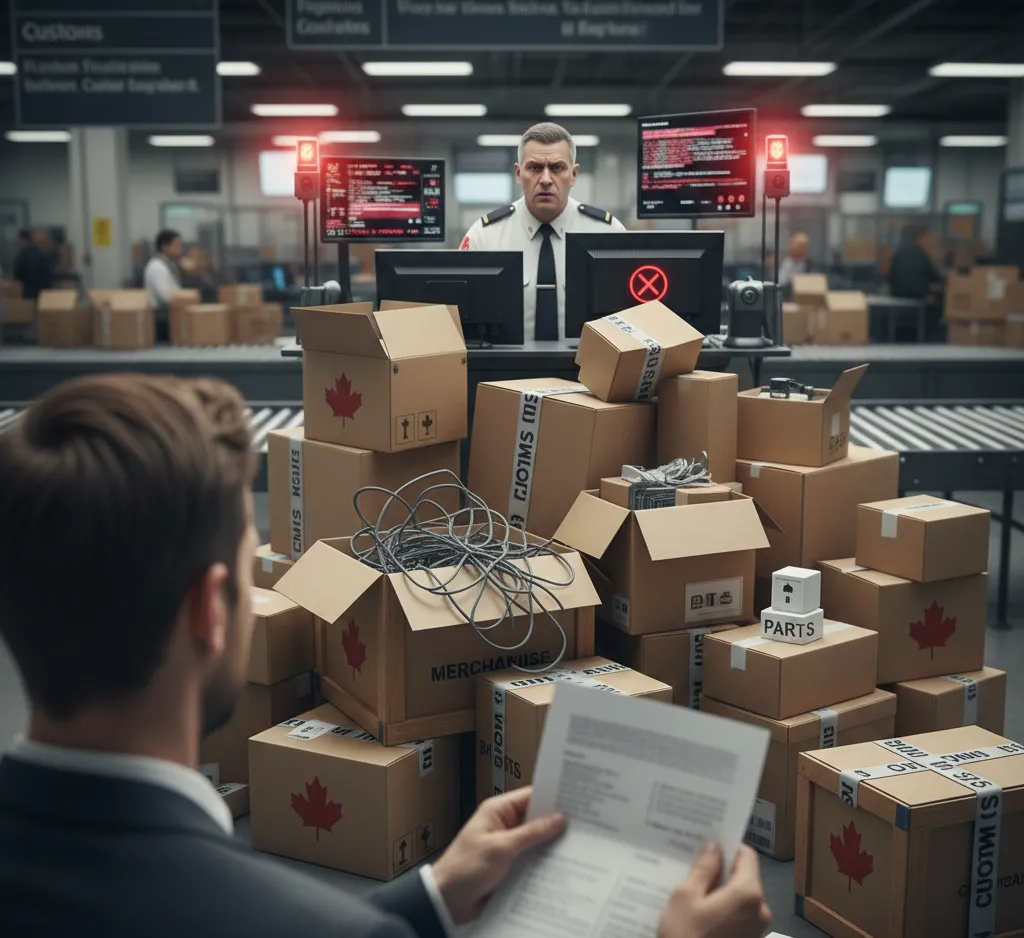
A seizure represents one of the most serious outcomes in the import process. Most import issues involve delays, holds, or requests for more information. A seizure means U.S. Customs and Border Protection has taken control of the goods because it believes the shipment violates import rules.
This post explains what happens if U.S. Customs seizes a shipment and why seizures usually follow deeper compliance problems.
When U.S. Customs seizes a shipment, CBP takes legal custody of the goods under its enforcement authority. Seizures typically occur when customs believes the shipment involves:
A seizure goes beyond routine review. Customs believes the issue requires enforcement action. A seizure is distinct from routine inspection or reassessment.
A hold pauses clearance while customs asks questions. A seizure removes the goods from the normal clearance process entirely.
With a hold, providing documentation can often resolve the issue. With a seizure, customs has already decided that it requires formal resolution.
The shipment is no longer eligible for release through standard entry correction alone.
After a seizure, U.S. Customs typically issues a formal notice of seizure and information for claimants. That notice outlines:
At that point, the importer must decide how to proceed. Strict deadlines apply to responses and petitions.
Based on recurring compliance patterns, seizures often involve:
When classification appears intentionally inaccurate or materially misleading, customs may escalate enforcement. Classification drives duty rates and tariff treatment. Large discrepancies draw attention quickly. Patterns suggesting negligence or fraud increase the risk of seizure.
Customs reviews the declared value carefully. When the value does not reflect the transaction and appears intentionally understated, seizure risk increases. Incomplete documentation often leads to deeper investigation. Failure to disclose assists or related-party pricing may raise enforcement concerns.
Some products require additional compliance or may be prohibited entirely. If goods enter without proper authorization or documentation, customs may seize them. This can include intellectual property violations, controlled technology, or regulated products without required approvals.
A history of inaccurate declarations can increase enforcement scrutiny. Customs tracks compliance behavior. Patterns of errors raise risk. Repeated violations may shift CBP response from correction to enforcement action.
After a seizure, the responsible party may:
Resolution depends on the facts and the severity of the issue. Seizure cases require prompt attention. Delays limit options. Professional legal or customs compliance guidance is often necessary at this stage.
Most seizures stem from preventable problems. Risk decreases when importers:
Preparation reduces enforcement exposure.
A U.S. Customs seizure signals serious compliance concerns. Clear classification, accurate value, and complete documentation reduce the likelihood of escalation. Planning before shipping protects both the shipment and the business behind it.
A seizure represents enforcement action, not routine review.
Accurate classification and cost planning help prevent serious compliance issues.
Use the BorderBuddy duty and tax calculator to get a quote. It helps you estimate expected import duties, tariffs, additional charges, taxes, and fees, as well as the total landed cost before shipping.
BorderBuddy’s calculator also uses AI to help classify goods with the correct HTS classification, which determines duty rates and supports accurate U.S. import declarations.
People concerned about seizures often ask next:
If you still didn’t find what you were looking for, BorderBuddy is here to help.
Our team can help you get clear answers and avoid delays at the border.

.svg)
.svg)