


.svg)
.svg)



.png)




































































Simplify your customs today
Calculate duties and taxes

.avif)
.avif)
.svg)
Streamlining customs clearance

.svg)
.svg)
.svg)
.svg)
import into canada
Import into the USA
.avif)
© 2026 Borderbuddy, All rights reserved.
Designed by SupaStellar


One of the most common questions that comes up during U.S. imports is simple: Are there duties on this shipment?
Some imports arrive with no duty. Others trigger charges that people did not expect.
This post explains when duties apply to imports into the United States and why the answer depends on more than just the shipment value.
U.S. Customs does not apply duties uniformly. Duties depend heavily on:
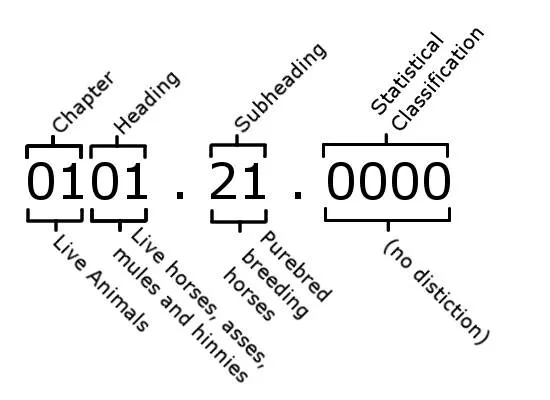
Two shipments with the same value can face very different duty outcomes because they contain different goods. Duty rates are determined by the Harmonized Tariff Schedule of the United States (HTSUS).
Many imports surprise people because shipments similar to them receive different treatment. This happens when:
Classification plays a central role in how duties apply. Even small differences in product composition can change the applicable duty rate.
A common assumption links low value with no duty. In reality, U.S. Customs reviews:
Low value does not automatically remove duty exposure. Even low-value shipments may be subject to tariffs depending on current trade measures.
The Harmonized Tariff Schedule of the United States (HTSUS) determines duty rates for imports. Classification defines:
Incorrect or unclear classification often leads to unexpected duty assessments. If CBP reclassifies the goods, it may assess additional duties and interest.
Duties often feel unexpected because:
Duties usually become clear only after customs completes review. Physical arrival does not finalize duty liability—classification and review do.
Customs relies on documentation to correctly apply duties. Duty issues arise when:
Clear documentation supports accurate duty assessment. Incomplete documentation may trigger reassessment or additional review.
Certain products face a higher duty because of:
These charges often surprise people who only expected base duty. Additional tariffs can significantly increase total landed cost beyond standard duty rates.
Duties do apply to many imports into the United States. Duty exposure depends on:
Understanding these factors early prevents cost surprises later. Accurate classification is the foundation of accurate duty calculation.
Knowing duty exposure before shipping makes planning easier. Advance duty estimates help prevent unexpected cost increases at the border.
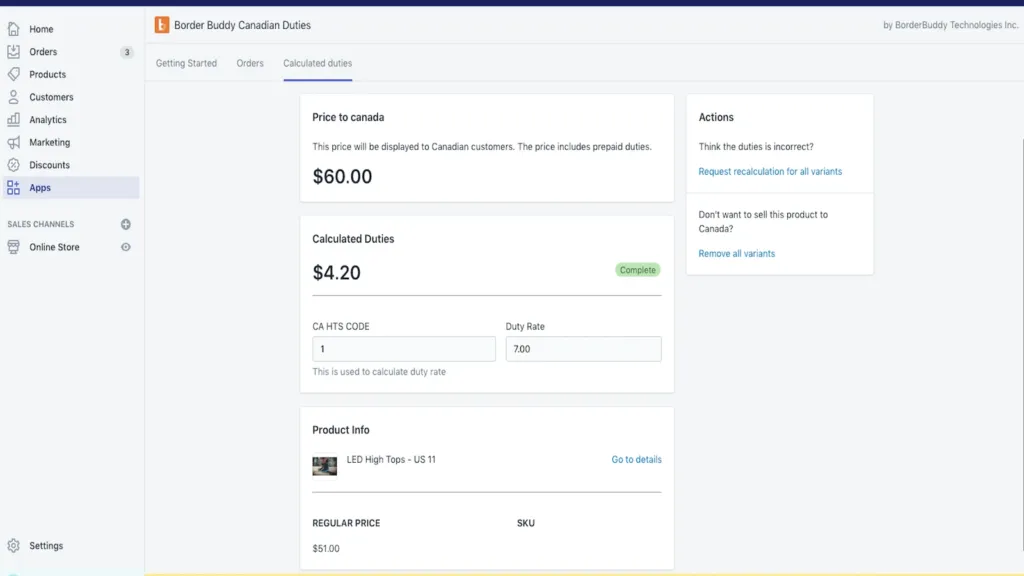
Use the BorderBuddy duty and tax calculator to get a quote. It helps you estimate expected import duties, taxes and fees, potential tariff-related charges, and total landed cost before shipping.
BorderBuddy’s calculator also uses AI to help classify goods with the correct HTS classification, which determines duty rates on U.S. imports. Accurate classification reduces both financial exposure and compliance risk.
People asking about duties often ask next:
If you still didn’t find what you were looking for, BorderBuddy is here to help.
Our team can help you get clear answers and avoid delays at the border. In U.S. imports, duty exposure is determined by classification—not just shipment value.

.svg)

.svg)