


.svg)
.svg)




















































.png)






















Simplify your customs today
Calculate duties and taxes

.avif)
.avif)
.svg)
Streamlining customs clearance

.svg)
.svg)
.svg)
.svg)
import into canada
Import into the USA
.avif)
© 2026 Borderbuddy, All rights reserved.
Designed by SupaStellar


Many import problems start with one missing step. No one estimated the total cost before the shipment moved. The purchase price looked fine, then shipping was booked. Finally, U.S. Customs completed the review, and the actual cost became apparent.
This post explains how to estimate import costs before shipping to the U.S. and why early estimates prevent delays, disputes, and last-minute surprises.
Import cost goes beyond what appears on the invoice. Total import cost can include:
Focusing only on product price often leads to incorrect expectations. Total landed cost reflects all border-related charges, not just the supplier invoice.
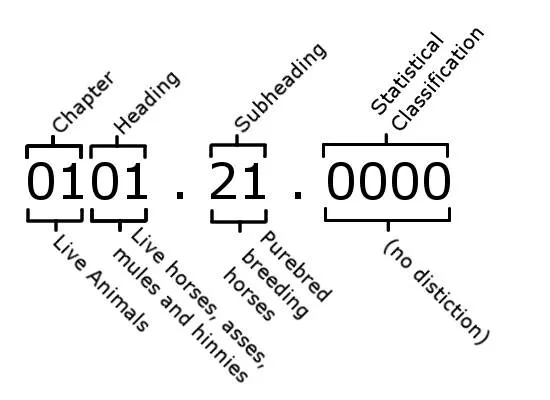
HTS classification plays the biggest role in cost estimation. Classification determines:
Without classification, any cost estimate remains incomplete. Accurate HTSUS classification is the foundation of accurate duty forecasting.
U.S. Customs calculates duties using declared value. Value questions arise when:
Clear value documentation supports accurate cost estimates. Duty is typically calculated as a percentage of the declared customs value when an ad valorem rate applies.
Tariffs create some of the largest cost swings. Tariffs depend on:
Ignoring tariffs leads to large gaps between expected and final cost. Additional tariffs are applied on top of base duty rates and can significantly increase total landed cost.
Some duty rates depend on quantity rather than value alone. Cost estimates needed:
Small errors in quantity can change the final duty amount. Incorrect units of measure can lead to miscalculated duties.
Import costs feel unexpected because:
Estimating early avoids last-minute pressure. Physical arrival does not finalize duty liability—classification and valuation review do.
Cost estimates improve when:
Preparation reduces surprises.
Accurate import cost estimates require more than a price and shipping quote. Classification, value, quantity, and tariffs determine what U.S. Customs will charge. Estimating early protects both the budget and the timeline.
In U.S. imports, cost predictability depends on the clarity of compliance.
Early estimates prevent surprise charges.
Use the BorderBuddy duty and tax calculator to get a quote. It helps you estimate expected import duties, tariffs, additional charges, taxes and fees, and the total landed cost before shipping.
BorderBuddy’s calculator also uses AI to help classify goods with the correct HTS classification, which determines duty rates and improves cost accuracy for U.S. imports.
People estimating costs often ask next:
If you still didn’t find what you were looking for, BorderBuddy is here to help.
Our team can help you get clear answers and avoid border delays.

.svg)

.svg)