


.svg)
.svg)

































.png)
























Simplify your customs today
Calculate duties and taxes

.avif)
.avif)
.svg)
Streamlining customs clearance

.svg)
.svg)
.svg)
.svg)
import into canada
Import into the USA
.avif)
© 2026 Borderbuddy, All rights reserved.
Designed by SupaStellar


Few import questions cause more confusion than this one. Who actually pays the duties and taxes?
Many shipments reach the final stage of delivery before anyone realizes that payment responsibility was never clearly defined. At that point, costs feel sudden, and disputes begin.
This post explains who pays duties and taxes on U.S. imports and why this question causes so many last-minute problems.
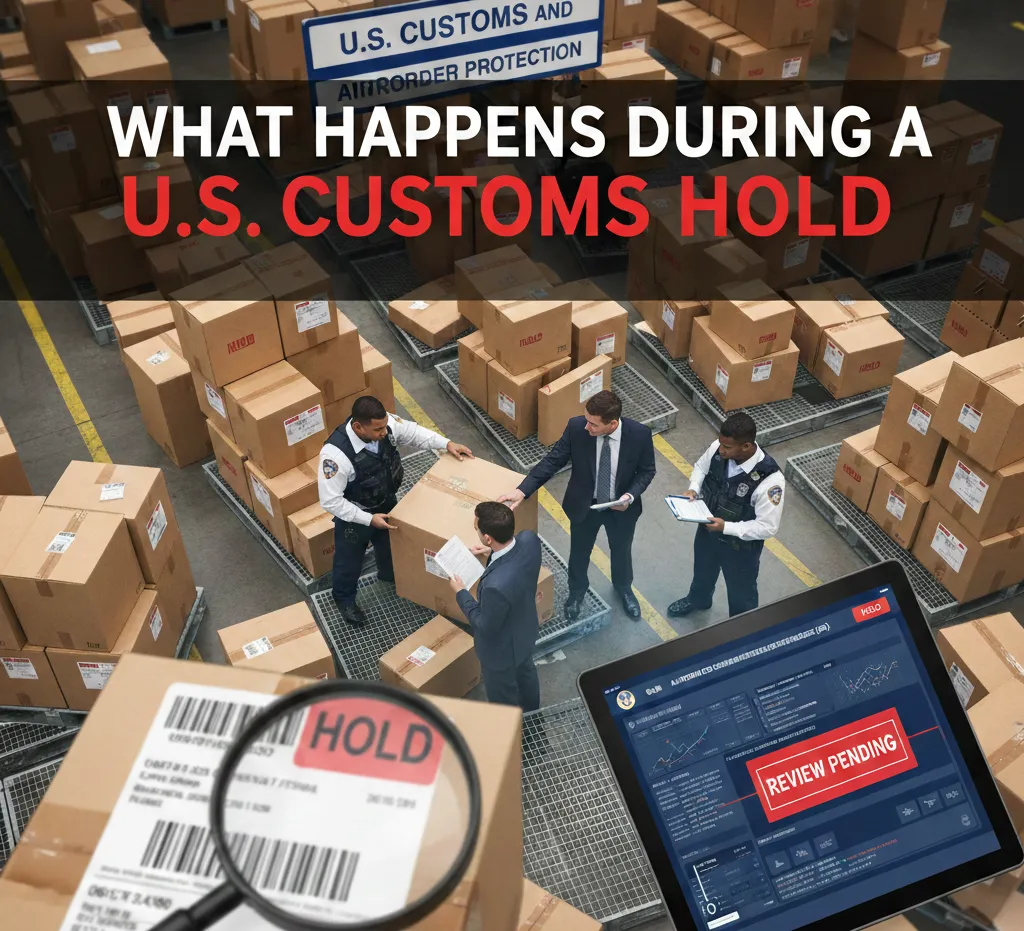
U.S. Customs and Border Protection always assigns duties and taxes to a responsible party. Someone must:
When responsibility stays unclear, clearance slows down or stops. CBP requires a legally recognized importer of record (IOR) for every formal entry.
The Importer of Record Pays by Default
In most U.S. imports, the importer of record carries responsibility for duties and taxes. The importer of record:
Even when other parties participate, U.S. Customs looks to the importer of record first. Delegating filing to a broker does not transfer liability.
Many duty disputes start with assumptions. Common assumptions include:
When assumptions replace confirmation, payment surprises follow.
Incoterms allocate commercial risk between buyer and seller, but CBP still requires a clearly identified importer of record.
Carriers move shipments while brokers help file entries. Neither automatically assumes responsibility for paying duties and taxes unless an agreement is in place. U.S. Customs still expects one clearly identified party to cover the charges.
Brokers may advance duties on behalf of the importer, but the importer remains legally responsible for repayment.
Duties and taxes often appear late because:
This timing causes frustration when costs surface at the last moment. Physical arrival does not finalize duty liability—classification and valuation review do.
Documentation influences responsibility. Problems occur when:
Clear documentation helps assign responsibility before the shipment moves. Entry filings may be rejected if the importer's authorization is incomplete.
Non-payment does not resolve itself over time. When duties and taxes remain unpaid:
Clarity before shipping prevents disputes at the time of delivery. Imports move more smoothly when:
U.S. Customs requires a clearly identified party to pay duties and taxes. Most disputes arise when responsibility remains undefined rather than from the charges themselves. Early confirmation protects timelines and budgets.
In U.S. imports, the importer of record is ultimately accountable for duties owed.
Knowing the numbers early makes responsibility easier to manage. Advance duty estimates reduce last-minute payment disputes.
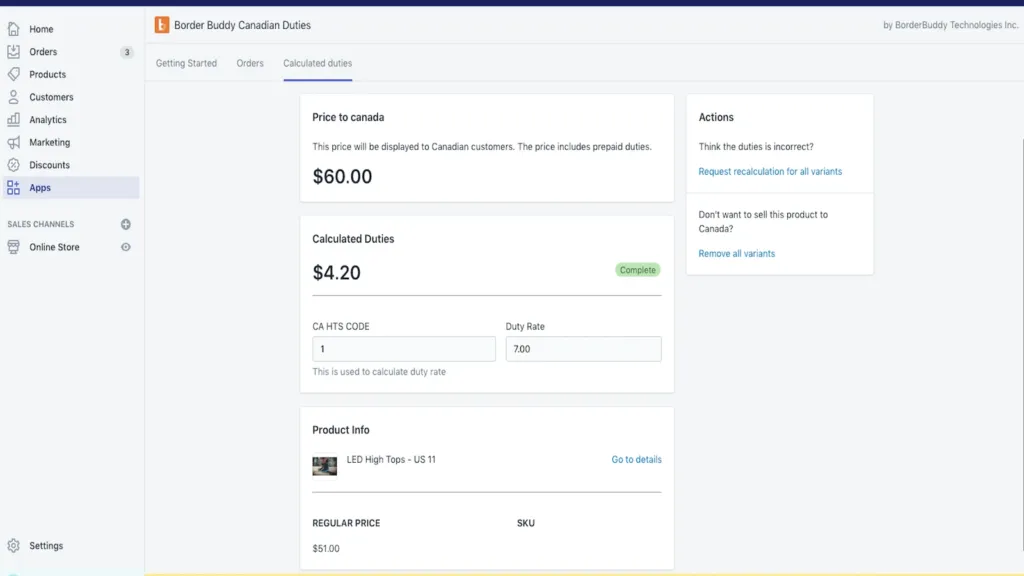
Use the BorderBuddy duty and tax calculator to get a quote. It helps you estimate expected import duties, taxes and fees, tariff-related charges, and total landed cost before shipping.
BorderBuddy’s calculator also uses AI to help classify goods with the correct HTS classification, which determines duty rates and supports accurate cost planning for U.S. imports. Accurate classification strengthens both compliance and cost predictability.
People asking about payment responsibility often ask next:
If you still didn’t find what you were looking for, BorderBuddy is here to help.
Our team can help you get clear answers and avoid border delays. Clear responsibility before shipping prevents costly confusion at delivery.

.svg)
.svg)