


.svg)
.svg)


































































Simplify your customs today
Calculate duties and taxes

.avif)
.avif)
.svg)
Streamlining customs clearance

.svg)
.svg)
.svg)
.svg)
import into canada
Import into the USA
.avif)
© 2026 Borderbuddy, All rights reserved.
Designed by SupaStellar


US imports move through customs under two main entry types:
This distinction shapes how US Customs processes a shipment. Recognizing the differences can help importers feel more confident and in control of their shipments, reducing uncertainty and stress.
This post explains formal entry vs informal entry into the U.S. and why entry type affects documentation, duties, and timing.
Informal entry applies to lower-value, straightforward shipments, generally valued at $2,500 USD or less, although certain regulated goods may still require formal entry even below that threshold. Informal entry often involves:
Many eCommerce and small commercial parcels are processed informally when they meet the requirements. Informal entry differs from de minimis (Section 321), which applies to shipments valued at $800 USD or less and may qualify for duty-free entry under specific rules. Informal entry does not remove customs responsibility. It simply reduces complexity for particular shipments.
Formal entry applies to higher-value or more complex shipments. Formal entry typically requires:
Formal entry often involves customs brokers because the process requires precision. Importers encounter formal entry when shipments exceed simplified thresholds or include regulated goods. Most formal entries also require an active customs bond before CBP will authorize release.
Entry type affects:
A shipment that requires formal entry will not move through the same path as an informal shipment.
Many people assume the entry type depends only on the shipment value. In practice, U.S. Customs considers other factors, such as:
Value matters, but classification and admissibility matter too. For example, goods regulated by agencies such as the FDA, USDA, EPA, or FCC may require formal entry regardless of shipment value.
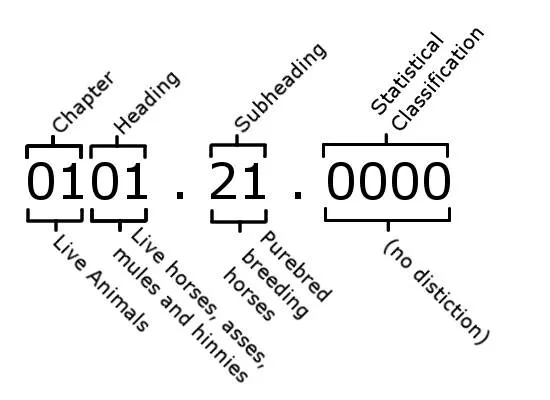
Correct HTS classification plays a central role in both entry types. Classification determines:
Formal entry requires extreme classification accuracy because errors can cause delays and reassessments. In today’s environment of additional duties and heightened enforcement, classification errors can quickly become expensive.
Imports move more smoothly when importers:
Entry surprises often happen when assumptions replace preparation. The smoothest shipments are those in which entry type, importer responsibility, and documentation are established before the goods arrive.
Informal entry covers simpler shipments while formal entry governs larger or more complex imports. The correct entry type depends on:
Choosing the right entry type is key to preventing clearance delays and unexpected costs and to ensuring smoother import processes.
Use the BorderBuddy duty & tax calculator to get a quote. It helps you estimate expected import duties, taxes and fees, potential tariff-related charges, and total landed cost before shipping.
BorderBuddy’s calculator also uses AI to help classify goods under the correct HTS (Harmonized Tariff Schedule), which determines duty rates on U.S. imports.
People learning about entry types often ask next:
If you still didn’t find what you were looking for, BorderBuddy is here to help.
Our team can help you get clear answers and avoid delays at the border.

.svg)

.svg)