


.svg)
.svg)






















































Simplify your customs today
Calculate duties and taxes

.avif)
.avif)
.svg)
Streamlining customs clearance

.svg)
.svg)
.svg)
.svg)
import into canada
Import into the USA
.avif)
© 2026 Borderbuddy, All rights reserved.
Designed by SupaStellar


Most people who call about customs clearance in Canada aren’t confused because they didn’t make an effort. They’re confused because what they thought would happen didn’t.
Every day things we hear on the phone:
This article explains how customs clearance in Canada actually works, step by step, using the same issues and questions that come up repeatedly in real calls.
Customs clearance is the process by which the Canada Border Services Agency (CBSA) decides whether a shipment can legally enter Canada and under what conditions.
It is not automatic.
It is not guaranteed.
And it does not happen all at once.
CBSA is trying to answer four core questions:
If any of those answers are unclear, inconsistent, or missing, clearance will slow down or stop. This is the root cause behind most delays.
When a shipment arrives in Canada, or just before it arrives, it is reported to CBSA by a carrier or a customs broker.
That report includes:
CBSA does not “figure out” missing details. They assess exactly what is submitted.
If the description is vague, the value appears incorrect, or the documents don’t align, the process does not move forward.
This is where most delays begin. CBSA reviews the submission to confirm:
From the importer’s perspective, this stage usually looks like:
Those statuses do not necessarily mean something is wrong or inadmissible. They mean CBSA has not yet completed its review of the information.
Once CBSA understands the shipment, they assess what is owed.
This can include:
A common misunderstanding we hear is:
The CBSA determines the charges. Carriers and brokers only collect them.
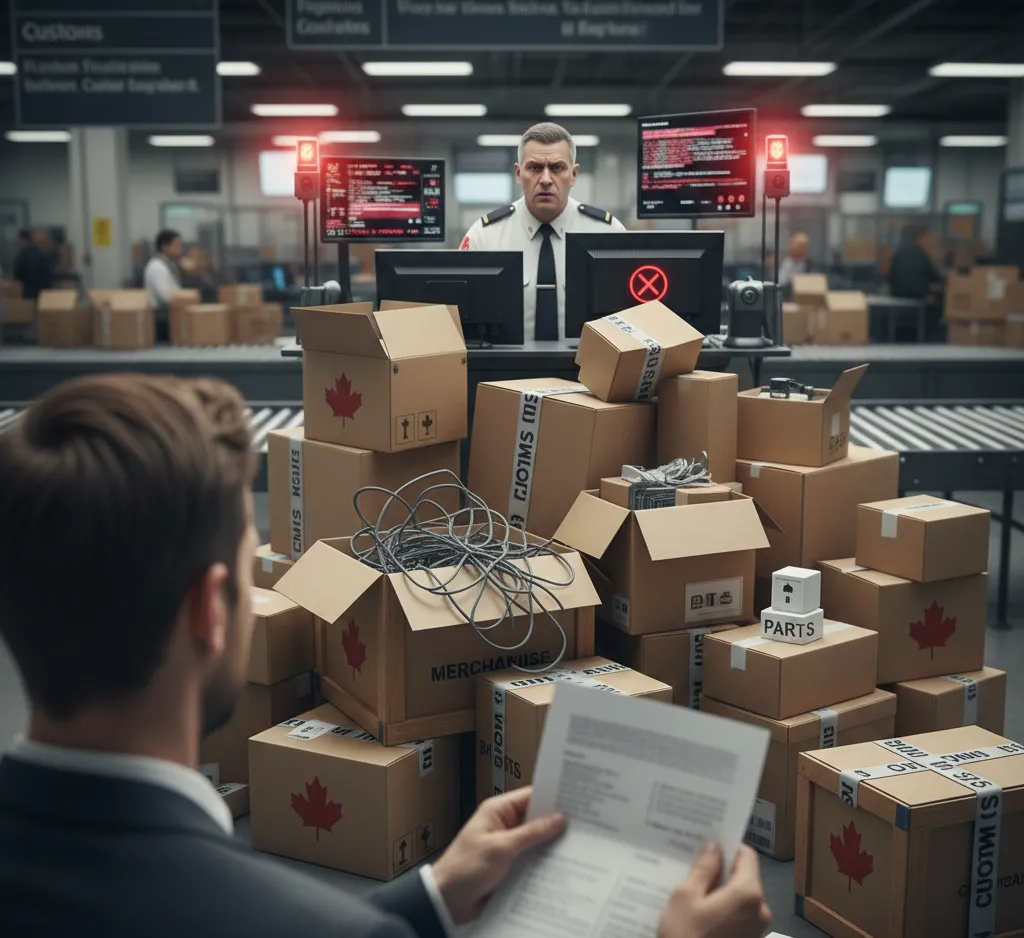
If something doesn’t add up, CBSA will ask questions.
This often happens because:
Callers often say:
In most cases, the issue isn’t that nothing was sent. It’s what was sent that didn’t fully answer CBSA’s questions.
After review, one of three things happens:
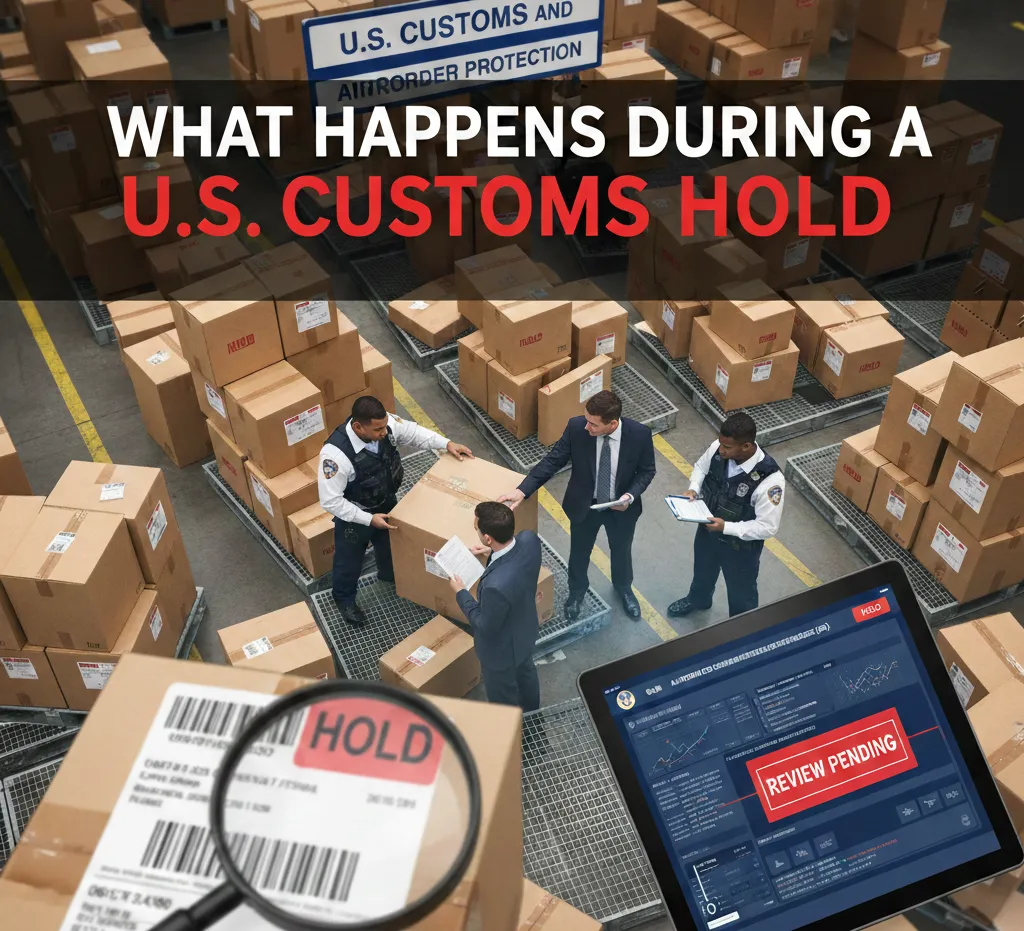
A “hold” does not mean the shipment is seized. It means CBSA needs clarification or additional verification.
This is one of the most stressful points for importers because:
Once CBSA is satisfied and any required payments are made, the shipment is released.
At that point:
If clearance took longer than expected, it is almost always because issues were discovered after shipping, not before.
This is one of the most misunderstood parts of the process. CBSA holds the importer of record responsible for:
Many importers assume the carrier or seller handles this automatically. In reality, responsibility often falls on the importer, even when they didn’t realize it.
Based on interactions with our customers, clearance feels confusing because:
Most people only learn how customs work after something goes wrong.
Customs clearance in Canada is not random, but it is strict. When shipments clear smoothly, it’s usually because:
When they don’t, it’s usually due to:
Use the BorderBuddy duty & tax calculator to estimate duties, taxes, and potential surcharges before problems start. BorderBuddy’s calculator also uses AI to help classify goods under the correct HS (Harmonized System) code, a key factor in determining the duty rate applied to an import.
If this raised questions, these are the following topics people usually ask about:
If you still didn’t find what you were looking for, BorderBuddy is here to help.
Our team can help you get clear answers and avoid delays at the border.

.svg)
.svg)