


.svg)
.svg)

































.png)

















Simplify your customs today
Calculate duties and taxes

.avif)
.avif)
.svg)
Streamlining customs clearance

.svg)
.svg)
.svg)
.svg)
import into canada
Import into the USA
.avif)
© 2026 Borderbuddy, All rights reserved.
Designed by SupaStellar


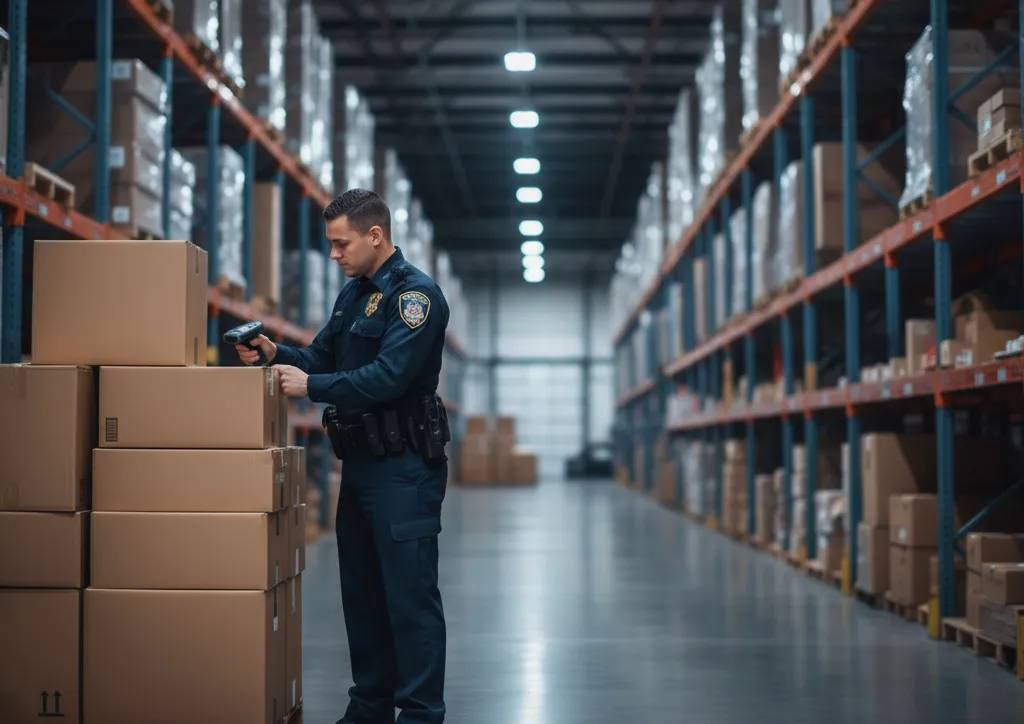
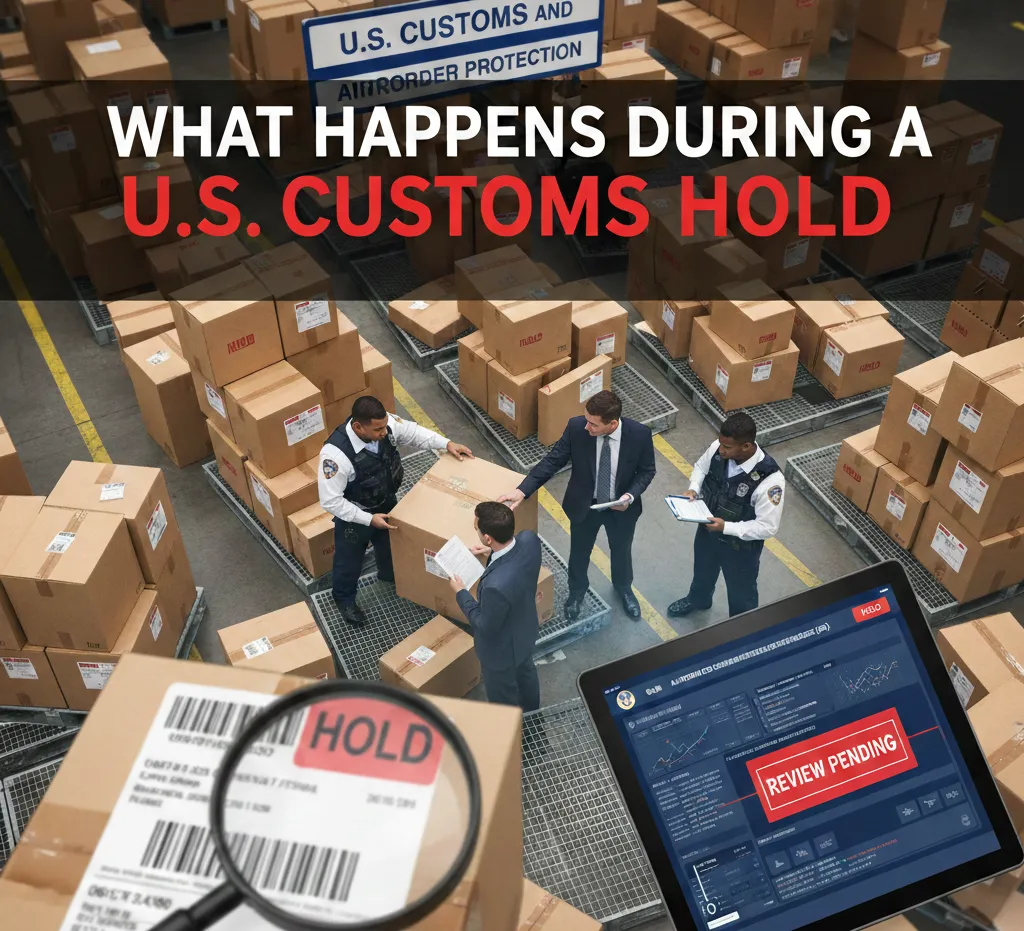
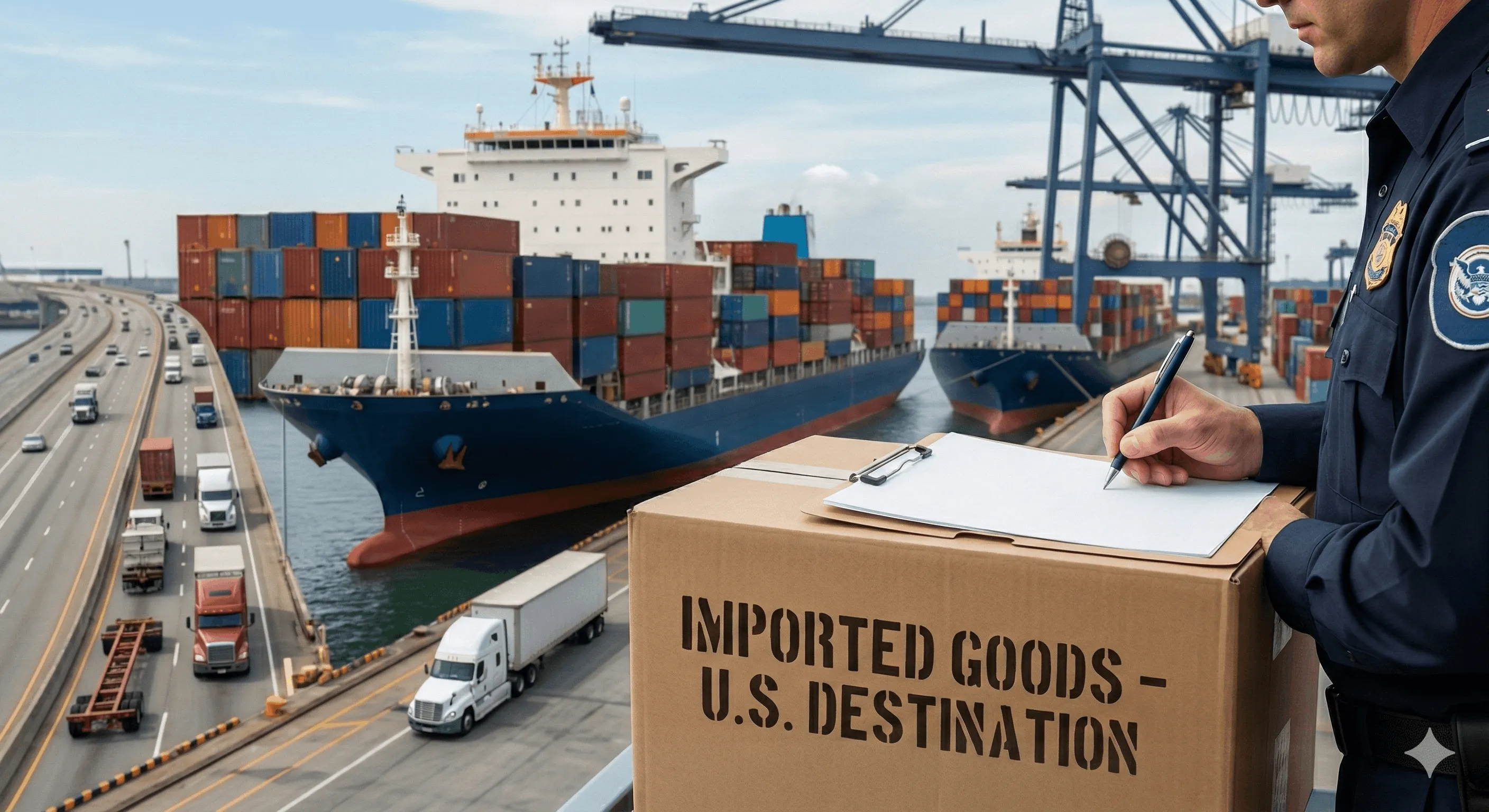
When a shipment enters the United States, US Customs and Border Protection (CBP) sometimes selects it for inspection.
That inspection often triggers immediate questions:
This post explains what happens when US Customs inspects your shipment, based on the real inspection concerns that repeatedly arise in import situations.
CBP inspects shipments to verify information. CBP does not inspect shipments only to find violations. Many inspections happen because CBP wants to confirm:
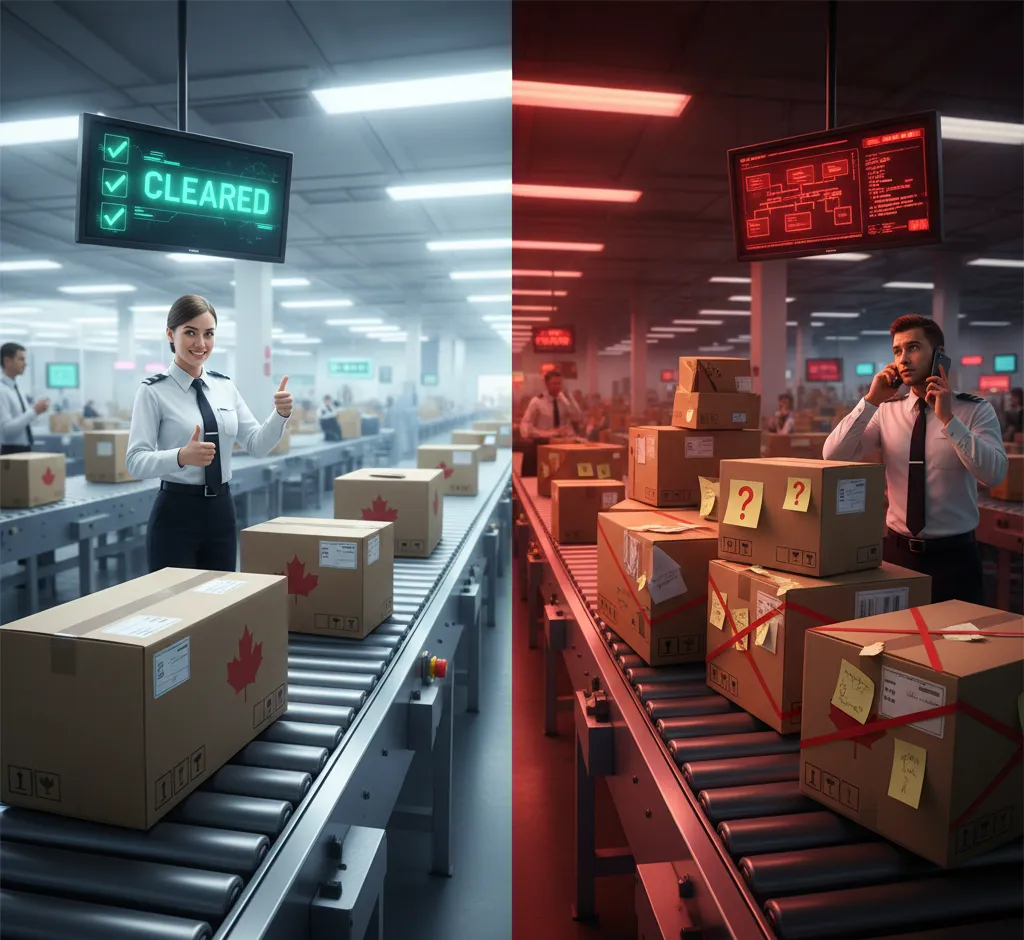
Most inspected shipments still clear once CBP finishes the review. An inspection is often a verification step, not an accusation.
CBP chooses inspections for a few consistent reasons. CBP may want to confirm that the physical shipment matches:
If details look unclear or incomplete, CBP asks for a closer look. Some inspections are also triggered by risk indicators such as product type, origin, routing patterns, or enforcement priorities.
CBP relies on correct classification because classification drives duty rates. If the goods description feels too general, CBP may inspect the shipment to confirm:
In today’s environment of additional duties and heightened enforcement, classification and valuation accuracy matter more than ever.
CBP sometimes inspects shipments based on:
CBP uses inspections to enforce consistency at the border. Some inspections are also tied to broader compliance screening, including concerns about counterfeiting or forced labour.
CBP follows a practical review process. CBP may:
During this time, the shipment stops moving through clearance. Some inspections are non-intrusive (such as X-ray or imaging scans), while others are intensive physical examinations that require unloading and detailed review.
After CBP completes inspection, one of several outcomes occurs:
CBP focuses on clarity and releases shipments once the documentation and goods are in order. In many cases, CBP may issue a formal request for information (CF28) if questions remain after the exam.
CBP inspections often take time because CBP must:
The shipment does not proceed until CBP completes those steps. Exams may also create additional costs, since inspection fees, storage, and handling charges are often billed back to the importer.
Strong preparation helps reduce inspection friction. Imports move faster when:
Clear paperwork leads to fewer follow-up questions. While no importer can prevent all inspections, clear documentation significantly reduces the likelihood of extended holds.
CBP uses inspections to match goods to declarations and duty treatment, and to verify shipments.
When documentation remains clear and classification remains accurate, CBP clears shipments more quickly. Even after release, importers must retain records in case CBP reviews the entry later through audit or post-entry enforcement.
Accurate classification and duty planning reduce surprises during inspection.
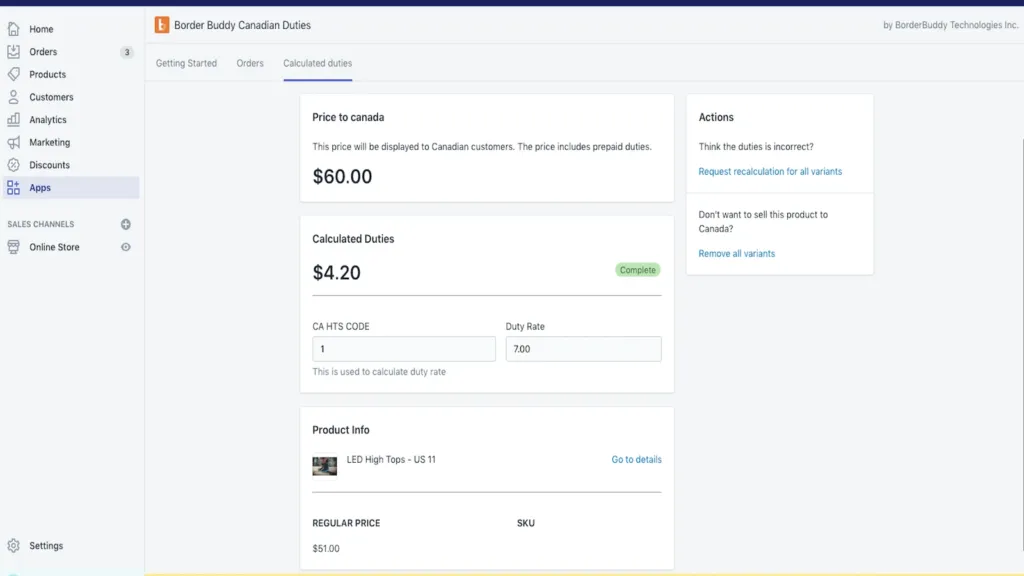
Use the BorderBuddy duty & tax calculator to get a quote. It helps you estimate expected import duties, taxes and fees, potential tariff-related charges, and total landed cost before the shipment reaches the border.
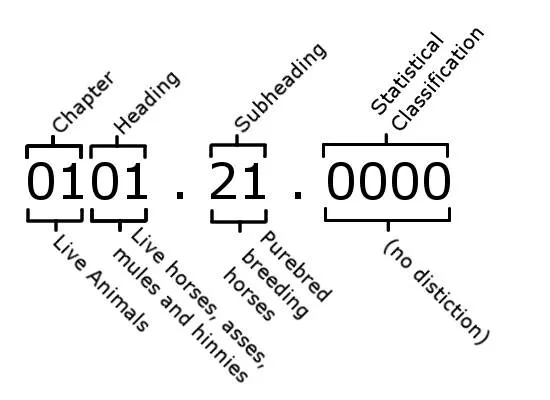
BorderBuddy’s calculator also uses AI to help classify goods under the correct HTS (Harmonized Tariff Schedule), which determines duty rates on US imports.
People dealing with inspections often ask next:
If you still didn’t find what you were looking for, BorderBuddy is here to help.
Our team can help you get clear answers and avoid delays at the border.

.svg)
.svg)