


.svg)
.svg)












































































Simplify your customs today
Calculate duties and taxes

.avif)
.avif)
.svg)
Streamlining customs clearance

.svg)
.svg)
.svg)
.svg)
import into canada
Import into the USA
.avif)
© 2026 Borderbuddy, All rights reserved.
Designed by SupaStellar


One of the most common points of confusion in importing to Canada is not whether duties and taxes apply, but how the final numbers are calculated.
People are often surprised because:
This post explains how duties and taxes are calculated on imports into Canada, based entirely on the questions, surprises, and explanations that repeatedly surface in real import situations.
A recurring assumption is that import charges are:
In reality, CBSA calculates duties, taxes, and surtaxes using several inputs, not just one number.
This is why people often say:
“I don’t understand how they arrived at this amount.”
Based on what we see repeatedly in real import scenarios, CBSA focuses on four core elements:
If any of these elements is unclear or changes, the calculation changes accordingly.
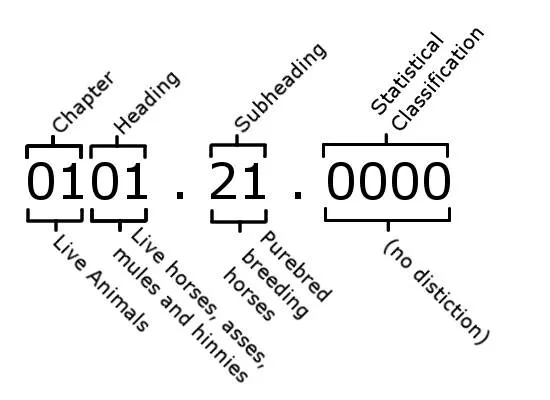
Classification determines the duty rate applied. Every imported product must be assigned an HS (Harmonized System) classification code, which is how CBSA identifies the good for tariff purposes. Two items with similar descriptions can have very different duty outcomes depending on the HS code used, because different codes carry different duty rates, surtax exposure, and compliance requirements. This is why clear product descriptions and accurate classification are one of the most critical inputs in the entire duty calculation.
Value is one of the biggest drivers of duty and tax amounts. Charges may be higher than expected when:
This is why people often say:
“That’s not what I paid.”
CBSA’s assessment is based on what they can verify, not just what appears on an invoice. CBSA also converts foreign currency values using its official exchange rate, which may differ from the rate on your credit card statement. This can shift the final assessed amount even when the invoice is correct.
Another point of confusion is seeing multiple line items. From customer patterns:
This separation is why the total cost feels larger than expected. In Canada, GST is usually calculated on the duty-paid value of the goods, not just the purchase price. That means duties can increase the tax base, which is one reason the total feels higher than expected.
Many people assume the amount is fixed once documents are submitted. In practice, charges can change when:
This leads to the typical reaction:
“Why did the amount change?”
The calculation changes when the underlying information changes.
Another frequent point of confusion is comparison.
People often expect:
But charges differ when:
Slight differences in information can lead to very different outcomes. Even minor documentation differences can change how CBSA interprets the shipment.
Based on real situations, duties and taxes are often misunderstood because:
Most people only see the whole picture when CBSA completes its assessment.
Based on what we see repeatedly in real imports, the most significant surprises come from:
These surprises are rarely about mistakes. They are about assumptions. Surtaxes are often the most significant shock because they are applied on top of regular duties and taxes and depend heavily on origin and product category.
One additional point of confusion is that carriers may charge separate brokerage or disbursement fees. These are not duties or taxes charged by CBSA; they are service fees for clearance and payment handling.
Duties and taxes on imports into Canada are not random. They are calculated based on:
When the information changes, the calculation changes.
Use the BorderBuddy duty & tax calculator to get a quote. It helps you understand expected duties, applicable taxes, and potential additional charges. BorderBuddy’s calculator also uses AI to help classify goods under the correct HS (Harmonized System) code, a key factor in determining the duty rate applied to an import.
What to Read Next
People trying to understand duties and taxes usually ask these following questions:
If you still didn’t find what you were looking for, BorderBuddy is here to help.
Our team can help you get clear answers and avoid delays at the border.

.svg)

.svg)