


.svg)
.svg)




























































Simplify your customs today
Calculate duties and taxes

.avif)
.avif)
.svg)
Streamlining customs clearance

.svg)
.svg)
.svg)
.svg)
import into canada
Import into the USA
.avif)
© 2026 Borderbuddy, All rights reserved.
Designed by SupaStellar



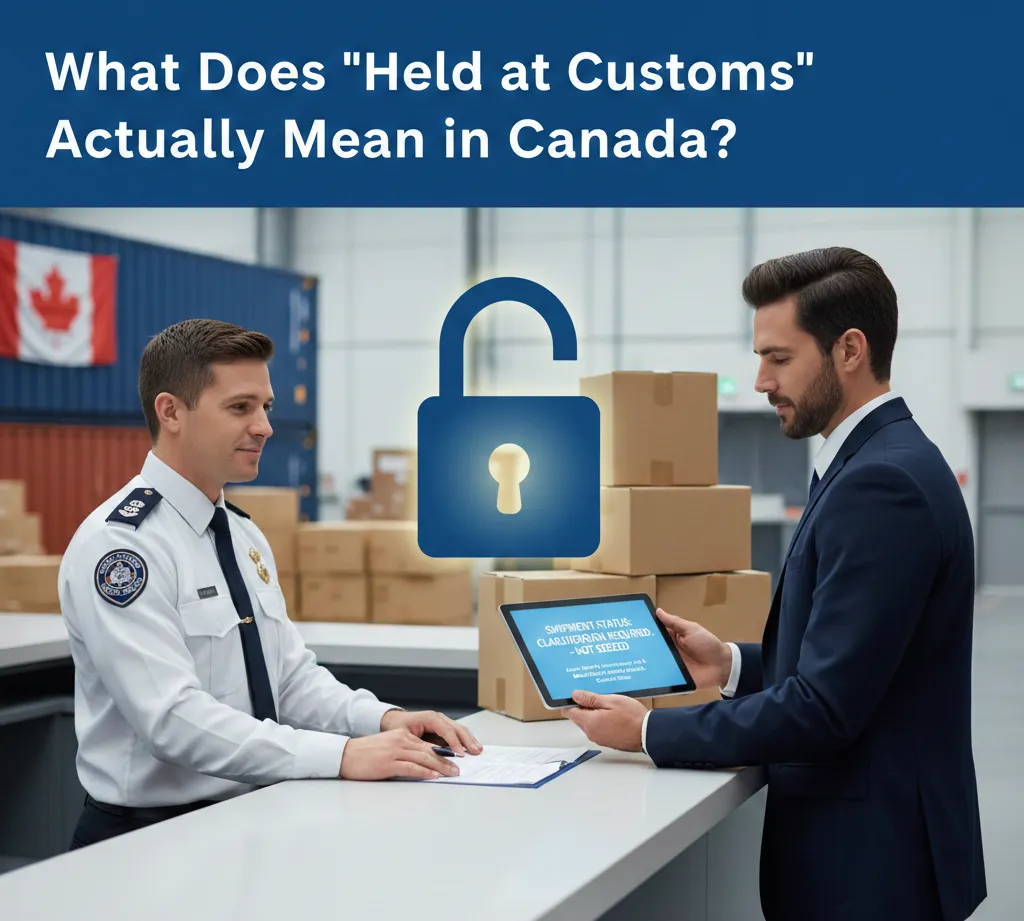
Most people don’t reach out to us asking how customs works. They contact us because something is stuck. Typical opening lines sound like:
This post explains why shipments get stuck at Canadian customs, based on the real reasons that come up again and again in customer conversations.
When a shipment is described as “stuck,” it usually means one thing:
CBSA cannot approve clearance with the information they currently have.
The shipment hasn’t disappeared. It hasn’t been forgotten. And it usually hasn’t been seized.
It means something in the clearance process needs clarification before CBSA can move forward.
This is the single most common issue. Descriptions like:
Don’t provide CBSA with enough information to assess the shipment. From the importer’s side, this often sounds like:
“I already told them what it is.”
From CBSA’s side, the question is:
“Do we have enough detail to classify and value this?”
If the answer is no, the shipment pauses.
Many calls trace back to invoice issues, including:
A common misconception is:
“The invoice was attached, so it should be fine.”
CBSA doesn’t just check if an invoice exists. They check whether it makes sense.
Another frequent trigger is valuation. Shipments get flagged when:
This leads to questions like:
“Why are they saying it’s worth more than I paid?”
CBSA may reassess the value if the declared amount doesn’t align with expectations. For further details, CBSA has published a helpful customs valuation handbook, which importers should consult prior to importing goods:
Many shipments stall because CBSA doesn’t know who is responsible. This happens when:
Importers often say:
“I thought the seller handled this.”
CBSA still needs a clearly identified importer of record.
Depending on the shipment, CBSA may require:
If these aren’t included upfront, CBSA pauses clearance until they are provided.
From the outside, this looks like inactivity. In reality, the CBSA is waiting.
Some shipments get stuck because CBSA needs to confirm:
This is especially common with:
These holds are not random. They are triggered by risk indicators.
One of the biggest frustrations we hear is:
“The status hasn’t changed.”
That’s because status messages usually reflect the shipment's location, not what CBSA needs.
“In customs,” “held,” or “under review” all mean:
They don’t explain the underlying issue.
Yes, but only once the real issue is addressed. That usually means:
Until that happens, time alone does not fix the problem.
Based on our experience, shipments get stuck because:
Most people learn these rules only after they’re affected.
Shipments don’t get stuck at Canadian customs because CBSA is slow. They get stuck because:
Once the issue is identified and fixed, clearance usually resumes.
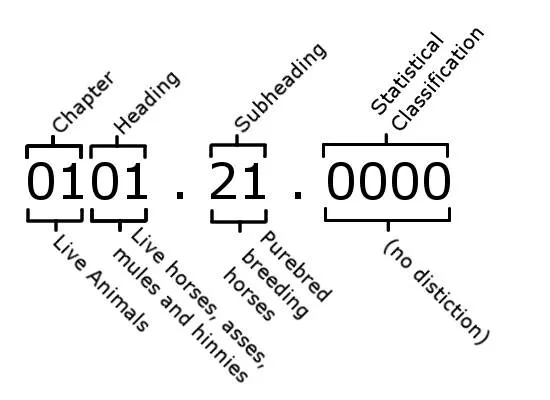
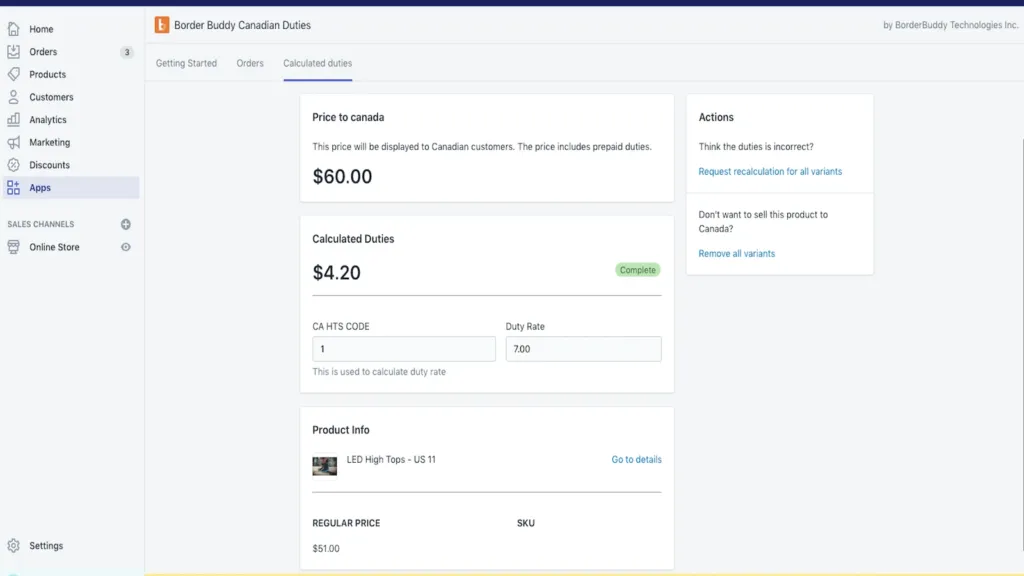
Run your shipment through BorderBuddy’s duty & tax calculator to understand what CBSA is likely to assess. BorderBuddy’s calculator also uses AI to help classify goods under the correct HS (Harmonized System) code, a key factor in determining the duty rate applied to an import.
People who ask why a shipment is stuck almost always ask these next:
If you still didn’t find what you were looking for, BorderBuddy is here to help.
Our team can help you get clear answers and avoid delays at the border.

.svg)
.svg)