


.svg)
.svg)







.png)
















































Simplify your customs today
Calculate duties and taxes

.avif)
.avif)
.svg)
Streamlining customs clearance

.svg)
.svg)
.svg)
.svg)
import into canada
Import into the USA
.avif)
© 2026 Borderbuddy, All rights reserved.
Designed by SupaStellar


At some point in the customs process, many people ask the same question:
“Do I really need a customs broker, or can I clear this myself?”
Sometimes this question comes before shipping. More often, it comes after something has gone wrong.
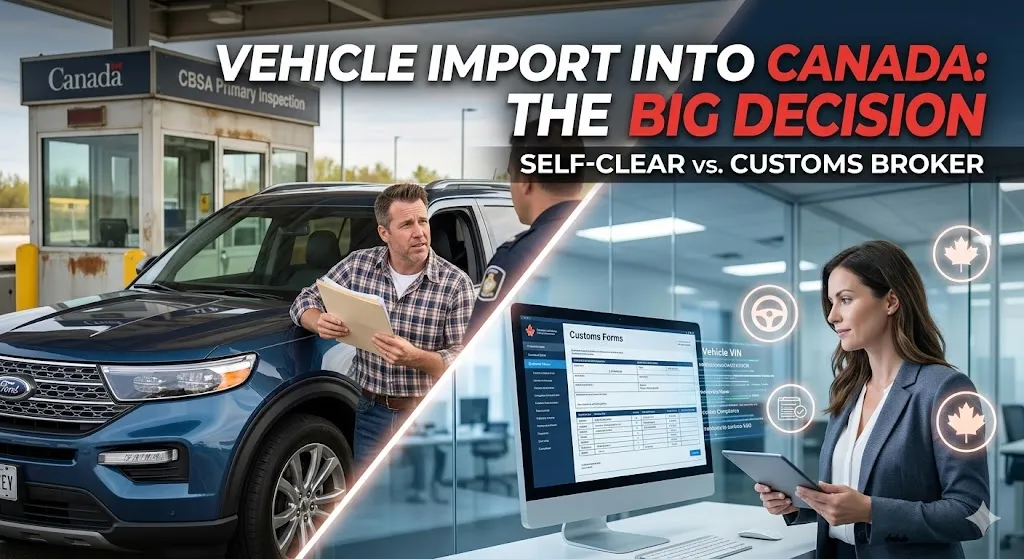
This post explains the difference between using a customs broker and self-clearing in Canada, based on how these situations actually play out with our customers.
Self-clearance means you, as the importer, deal directly with CBSA to clear your shipment. You are responsible for:
Self-clearance is allowed in Canada, but it assumes you understand the process and have time to manage it.
A customs broker acts on your behalf to:
Importantly, a broker does not make or change CBSA’s rules. They help ensure the shipment is presented in a way that CBSA can process efficiently.
Based on our experience with customers, this question usually appears when:
People often start by assuming:
“I’ll just clear it myself to save money.”
Then they call when:
“I’m not sure what CBSA wants.”
Self-clearance may be reasonable when:
In these cases, self-clearance can work smoothly if everything is prepared correctly upfront.
A broker is often the better option when:
Many customer inquiries involve people who tried to self-clear and then say:
“I didn’t realize how involved this would be.”
Yes, but it often happens after delays have already started. Switching mid-process can:
This is why people often say:
“I wish I had known this earlier.”
Deciding upfront usually avoids these complications.
No, but it often reduces preventable delays. A broker cannot:
What they can do is:
That difference matters when timing is tight.
This is a critical point. Whether you self-clear or use a broker:
In other words, a broker helps manage the process, but the importer remains responsible for getting it right
The choice between a customs broker and self-clearance is not about right or wrong.
It’s about:
Self-clearance can work for simple cases. A customs broker often makes sense when the situation is more complex or when delays would be costly.
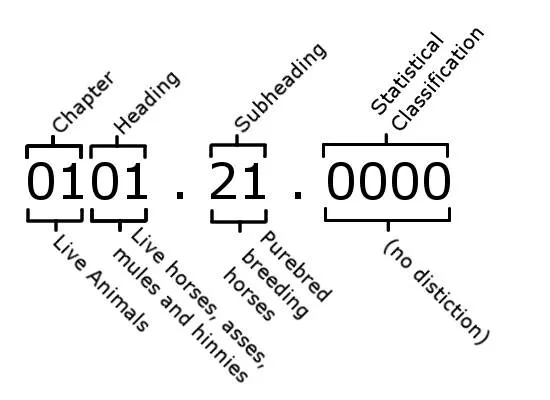
Use the BorderBuddy duty & tax calculator to get a clearer picture before choosing your path. BorderBuddy’s calculator also uses AI to help classify goods under the correct HS (Harmonized System) code, a key factor in determining the duty rate applied to an import.
People deciding between self-clearance and a broker often ask next:
If you still didn’t find what you were looking for, BorderBuddy is here to help.
Our team can help you get clear answers and avoid delays at the border.

.svg)
.svg)