


.svg)
.svg)

























































Simplify your customs today
Calculate duties and taxes

.avif)
.avif)
.svg)
Streamlining customs clearance

.svg)
.svg)
.svg)
.svg)
import into canada
Import into the USA
.avif)
© 2026 Borderbuddy, All rights reserved.
Designed by SupaStellar


Most U.S. customs delays do not start at the border. They start before shipping, often because something felt minor at the time or seemed safe to handle later.
By the time the shipment reaches U.S. Customs and Border Protection (CBP), options narrow quickly. Delays then feel sudden and hard to control.
This post explains how to avoid U.S. customs delays before shipping, based on the same early mistakes that consistently lead to problems later.
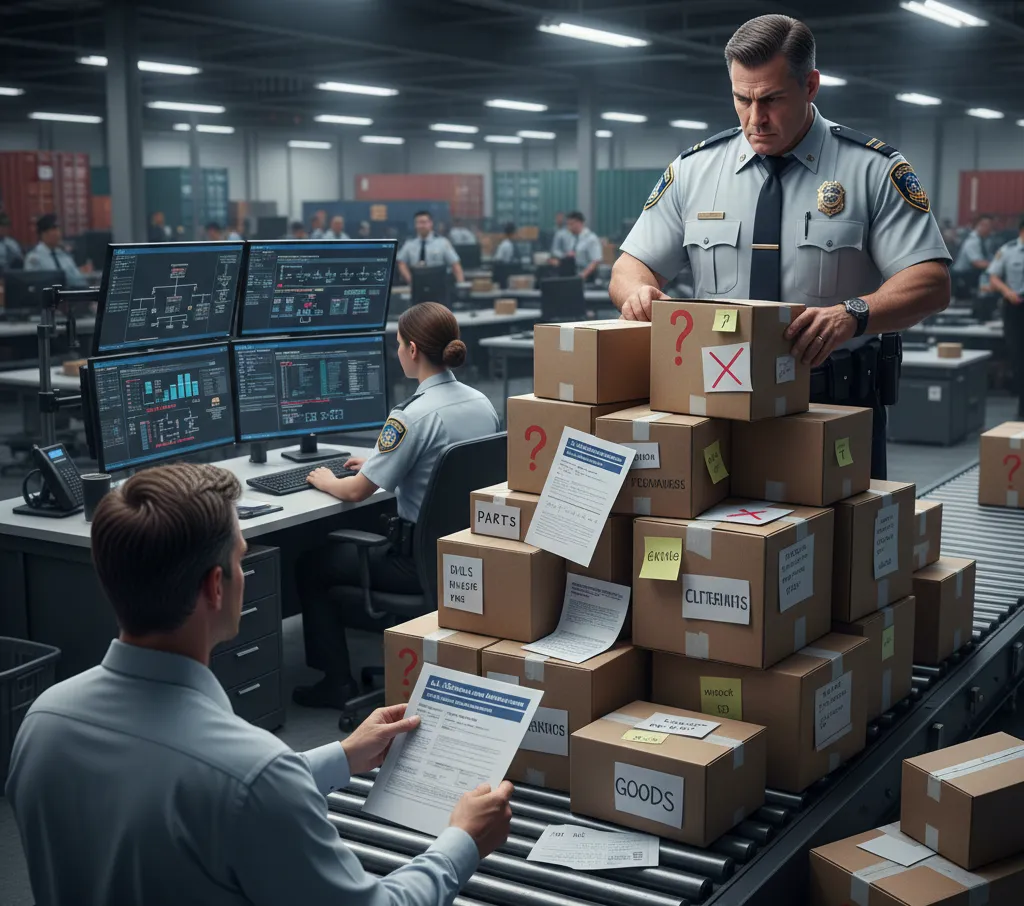
Many delays begin with vague descriptions. Descriptions such as “parts,” “merchandise,” or “equipment” do not provide customs with enough information.
Generic terms often trigger follow-up questions or Requests for Information (CBP Form 28).
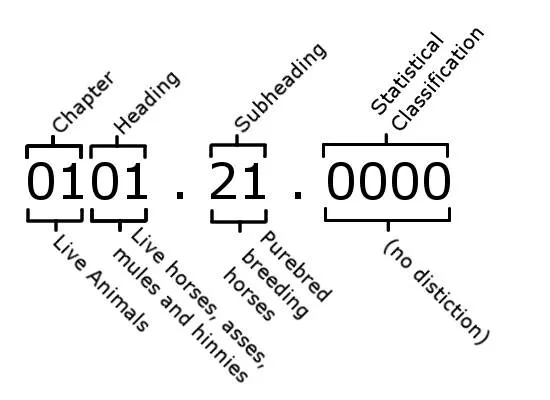
Before shipping, describe what the product is, what materials it contains, and how it is used. Clear descriptions reduce follow-up questions and review time. Descriptions should support the declared HTSUS classification.
Classification drives duty rates, tariffs, and compliance review. Delays occur when:
Confirming classification early removes one of the biggest causes of customs holds.
The commercial invoice plays a central role in the clearance process. Invoice issues often cause delays when:
Treat the invoice as an explanation of the shipment, not just a receipt.
U.S. Customs needs to know who takes responsibility for the import. Delays happen when:
Confirm the importer of record before shipping to avoid last-minute confusion. The importer of record is ultimately responsible for the accuracy of the declaration.
Many delays appear when costs surface late. Tariffs and duties often trigger:
Estimating costs early reduces pressure later.
Problems that seem easy to fix after shipping often take longer than expected. Once the shipment arrives:
Early preparation prevents escalation.
Customs compares information across every document. Delays occur when:
Consistency speeds review. Inconsistencies frequently result in additional requests for clarification.
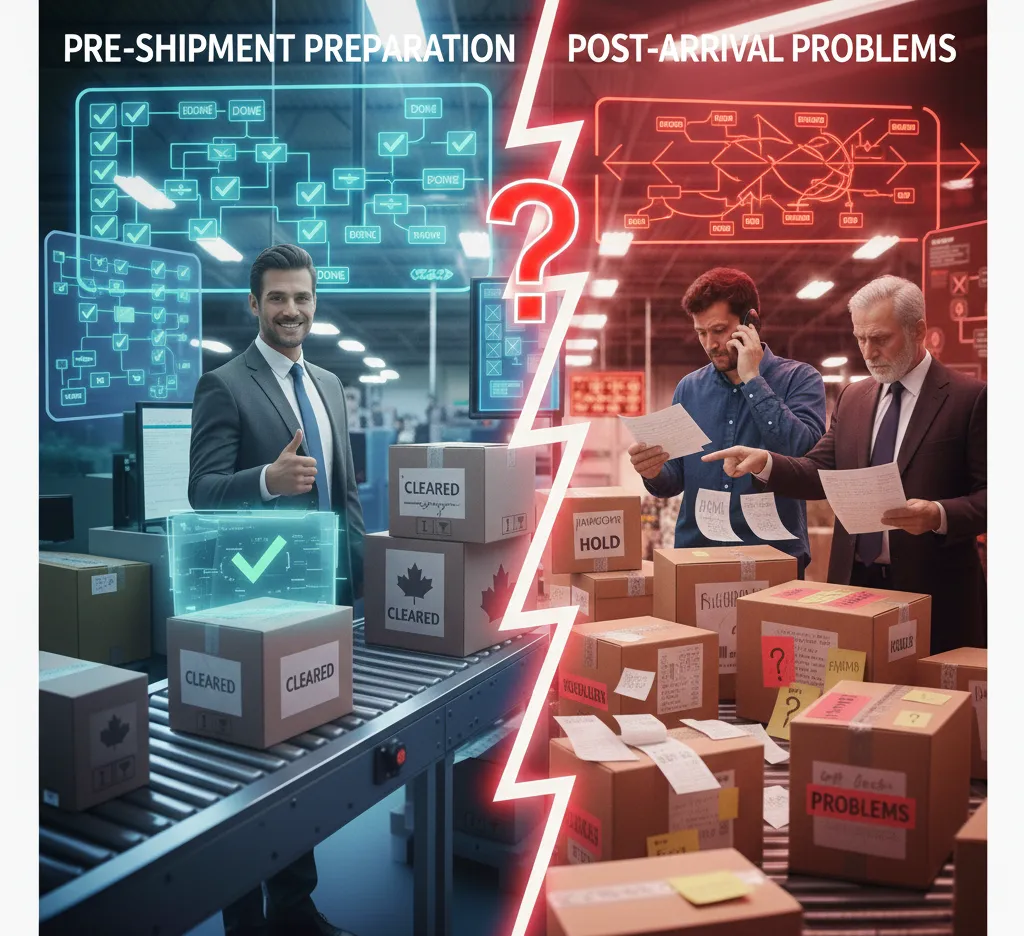
The easiest customs delays to resolve are the ones that never happen. Clear descriptions, accurate classification, consistent documentation, and defined responsibility before shipping prevent most U.S. customs delays.
Preparation before export is the most effective way to shorten clearance timelines.
Early planning makes a real difference. Use the BorderBuddy duty and tax calculator to get a quote. It helps you estimate expected import duties, tariffs, additional charges, taxes, and fees, and the total landed cost before shipping.
BorderBuddy’s calculator also uses AI to help classify goods with the correct HTS classification, which determines duty rates and supports smoother U.S. customs clearance.
People focused on preventing delays often ask next:
If you still didn’t find what you were looking for, BorderBuddy is here to help.
Our team can help you get clear answers and avoid border delays.

.svg)
.svg)