


.svg)
.svg)





















































Simplify your customs today
Calculate duties and taxes

.avif)
.avif)
.svg)
Streamlining customs clearance

.svg)
.svg)
.svg)
.svg)
import into canada
Import into the USA
.avif)
© 2026 Borderbuddy, All rights reserved.
Designed by SupaStellar


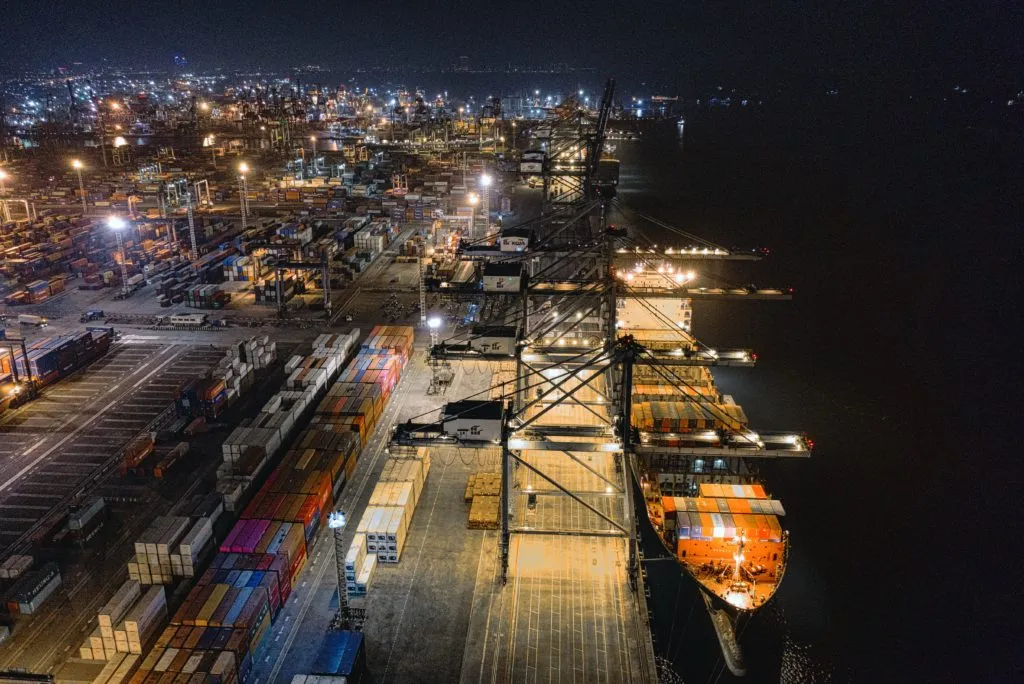
A customs bond is a financial guarantee, required by U.S. Customs and Border Protection (CBP), that an importer will pay all duties, taxes, and fees on imported goods and follow federal import regulations. If you are importing commercial goods into the United States valued over $2,500, or any goods regulated by another federal agency, you legally need a customs bond before your shipment can clear customs.
This guide covers what a customs bond does, when it is required, the two main types, what it costs, and how to get one quickly so you can clear your goods without delay. Need a bond fast? Call BorderBuddy at +1 (877) 409-8163 or email service@borderbuddy.com and we will handle it.
A customs bond is a three-party contract that guarantees CBP gets paid even if the importer does not pay. It is not insurance for your cargo and it does not reduce what you owe. It is a promise, backed by a surety company, that the money will be collected.
The three parties are:
If you fail to pay duties or violate import regulations, CBP can claim against the bond, the surety pays CBP, and the surety then comes after you for reimbursement. Because that liability follows the named party, it is worth confirming exactly who is listed as the importer of record on your entry.
Customs bonds exist to protect U.S. revenue and ensure compliance before goods are released. CBP releases your shipment into U.S. commerce before it has finished auditing duties and fees, and the bond is what lets it do that safely.
A customs bond guarantees CBP that:
In short, the bond shifts the financial risk of non-payment away from the government and onto a surety, which is what keeps goods moving quickly through U.S. customs clearance.
You need a customs bond any time you import commercial goods into the U.S. valued at $2,500 or more, or import goods regulated by another federal agency at any value. It is a precondition for clearing the shipment, not an optional add-on.
You will need a bond when:
Personal, non-commercial shipments under the threshold generally do not require one. Not sure whether your shipment needs a bond, or for how much? Call +1 (877) 409-8163 or request a quick assessment and we will tell you.
There are two customs bonds that matter to most importers: the single entry bond and the continuous bond. Which one you choose comes down to how often you import.
A single entry customs bond covers one specific shipment through one port of entry. It is best for businesses that import rarely or are testing a one-off shipment. The bond amount is typically the value of the goods plus duties, taxes, and fees, and it only protects that one entry. For a full breakdown of pricing and when it makes sense, see our dedicated guide to the single entry customs bond.
A continuous customs bond covers all of your imports through all U.S. ports for a full year. It is the better value for anyone importing more than a few times a year, because one bond covers unlimited entries for 12 months and renews annually. It also covers the Importer Security Filing (ISF) requirement for ocean freight, which a single entry bond does not. Learn how the amount is calculated, what it costs, and how to renew it in our complete guide to the continuous customs bond.
Quick rule of thumb: if you will import more than about three or four times a year, a continuous bond almost always costs less per shipment than buying single entry bonds each time. Not sure which fits your business? Email service@borderbuddy.com and we will help you decide.
A continuous customs bond typically costs a few hundred dollars a year, while a single entry bond costs a small percentage of the shipment value. You pay the surety premium, not the bond's face amount. The bond amount is the coverage limit, and your actual cost is the premium to buy it.
General guidance:
Because the continuous bond minimum is tied to duties paid, and duties have risen with recent tariff changes, many importers are seeing larger required bond amounts than in prior years. For a firm number on your situation, call +1 (877) 409-8163.
You buy a customs bond through a surety company or, more commonly, through a licensed customs broker who arranges it for you. A broker bundles the bond with your customs clearance, so you get one point of contact instead of managing a surety relationship yourself.
Your options are:
BorderBuddy can issue and file your bond as part of full-service clearance. Get a U.S. customs bond through BorderBuddy here, or call +1 (877) 409-8163 to start.
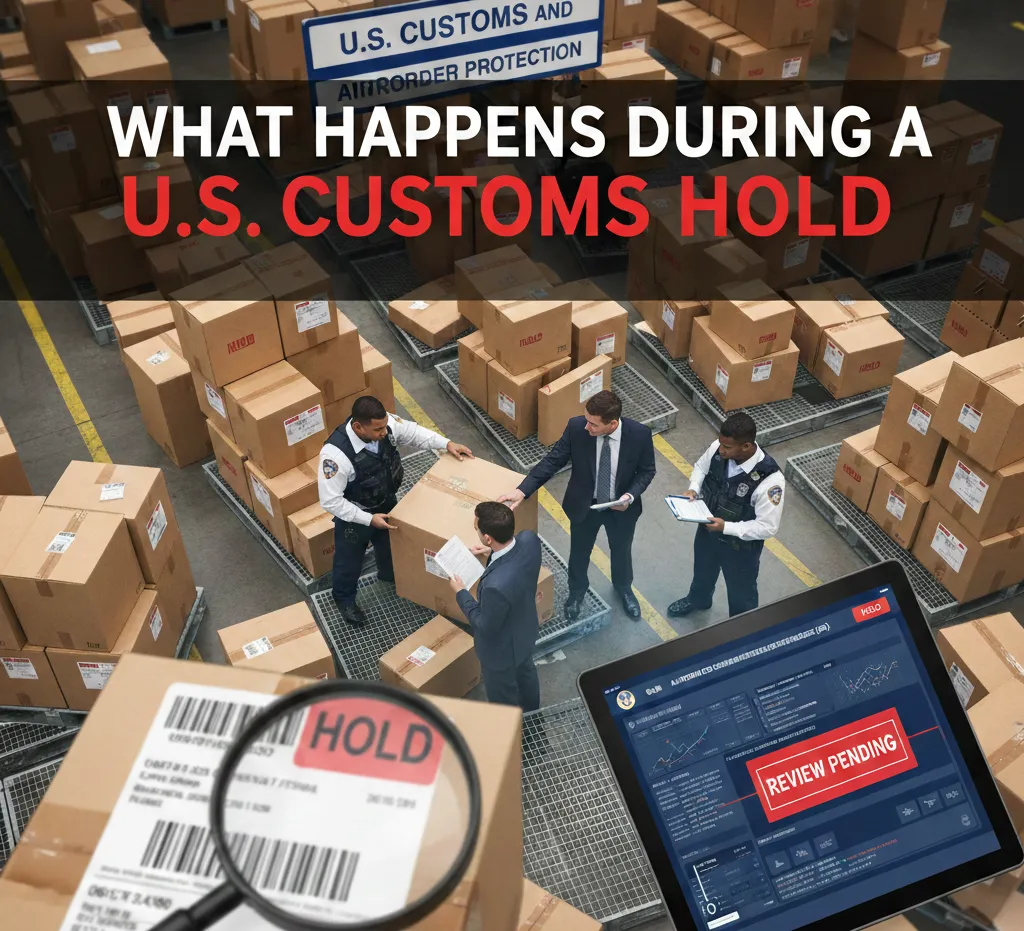
Without a valid customs bond, CBP will not release your shipment, and it will be held at the port. There is no clearing commercial goods over the threshold without one.
The practical consequences:
Getting the bond in place before your goods arrive is the easiest way to avoid these delays. If your shipment is already inbound, email service@borderbuddy.com or call +1 (877) 409-8163 right away.
A customs broker can often put a customs bond in place within a single business day. The process is straightforward when you work with a broker who handles the paperwork.
The typical steps:
If you have a shipment inbound and need a bond quickly, request a bond and quote from BorderBuddy or call +1 (877) 409-8163 and we will handle the filing.
Customs bond premiums are generally non-refundable, because the surety has already taken on the risk once the bond is issued. A continuous bond stays in force for its 12-month term whether or not you import, and a single entry bond is tied to its specific shipment. You can terminate a continuous bond going forward (CBP requires advance notice), but you typically will not get the paid premium back for the current term.
Is a customs bond the same as insurance?
No. A customs bond guarantees CBP that you will pay duties and comply with rules. It does not protect your cargo or reduce what you owe. Cargo insurance is a separate product.
What customs bond amount do I need?
For a continuous bond, it is 10% of the duties, taxes, and fees you paid CBP in the past year, subject to CBP's minimum (commonly $50,000). For a single entry bond, it is usually the value of the goods plus duties and fees.
Do I need a customs bond for every shipment?
Only with single entry bonds. A continuous bond covers all of your shipments through all ports for a full year, which is why frequent importers prefer it.
How fast can I get a customs bond?
Through a broker, often the same business day, which is fast enough to cover a shipment that is already on its way.
Do not let a missing bond strand your shipment at the port. BorderBuddy issues and files both single entry and continuous U.S. customs bonds, usually within a day. Call us at +1 (877) 409-8163, email service@borderbuddy.com, or get a customs bond quote to get started.

.svg)
.svg)