


.svg)
.svg)











































Simplify your customs today
Calculate duties and taxes

.avif)
.avif)
.svg)
Streamlining customs clearance

.svg)
.svg)
.svg)
.svg)
import into canada
Import into the USA
.avif)
© 2026 Borderbuddy, All rights reserved.
Designed by SupaStellar


One of the most common things people say when they contact us is:
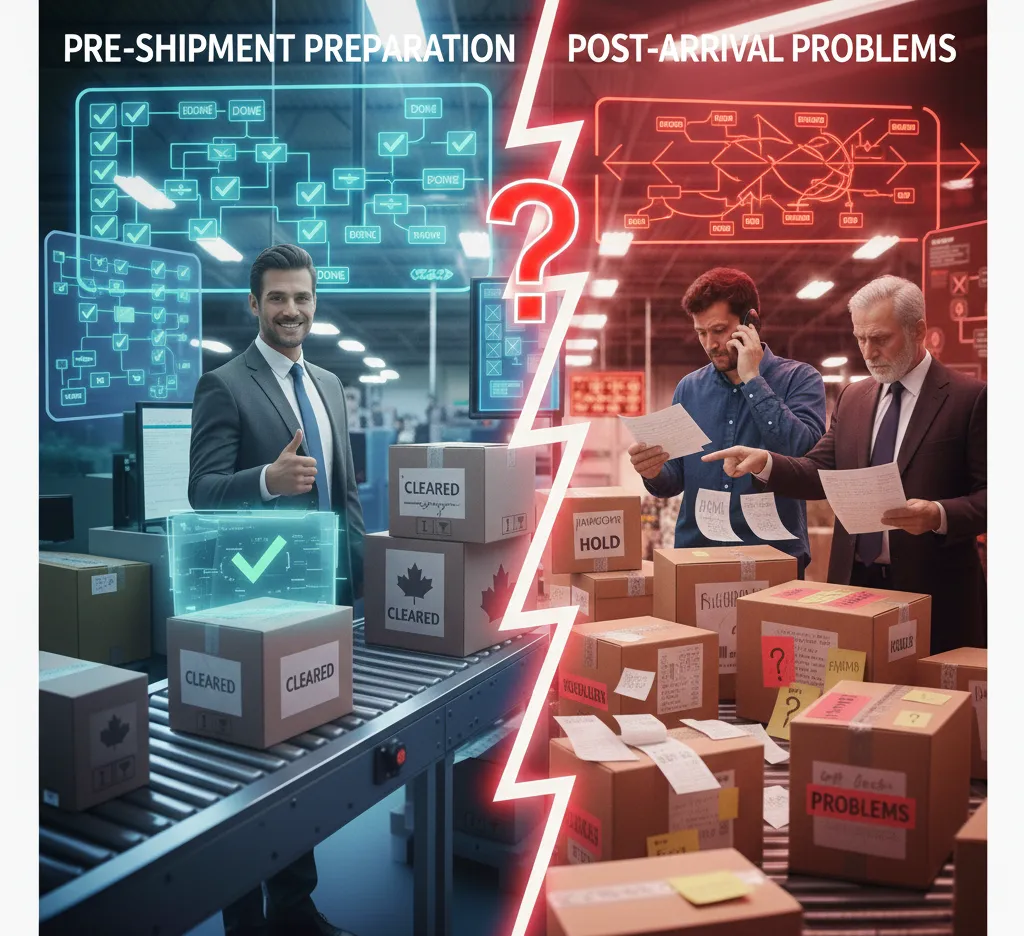
When customs clearance breaks down, it’s often not because paperwork is missing. It’s because no one is clearly responsible for responding.
This post explains who is responsible for clearing a shipment into Canada and why that confusion causes so many delays.
In Canada, customs clearance revolves around one role:
The importer of record.
CBSA requires a clearly identified importer of record for every shipment. That party is legally responsible for:
If CBSA doesn’t know who the importer of record is, clearance cannot move forward.
The importer of record is usually:
However, it is not automatically:
This is where many assumptions go wrong.
Based on phone calls, these assumptions appear repeatedly:
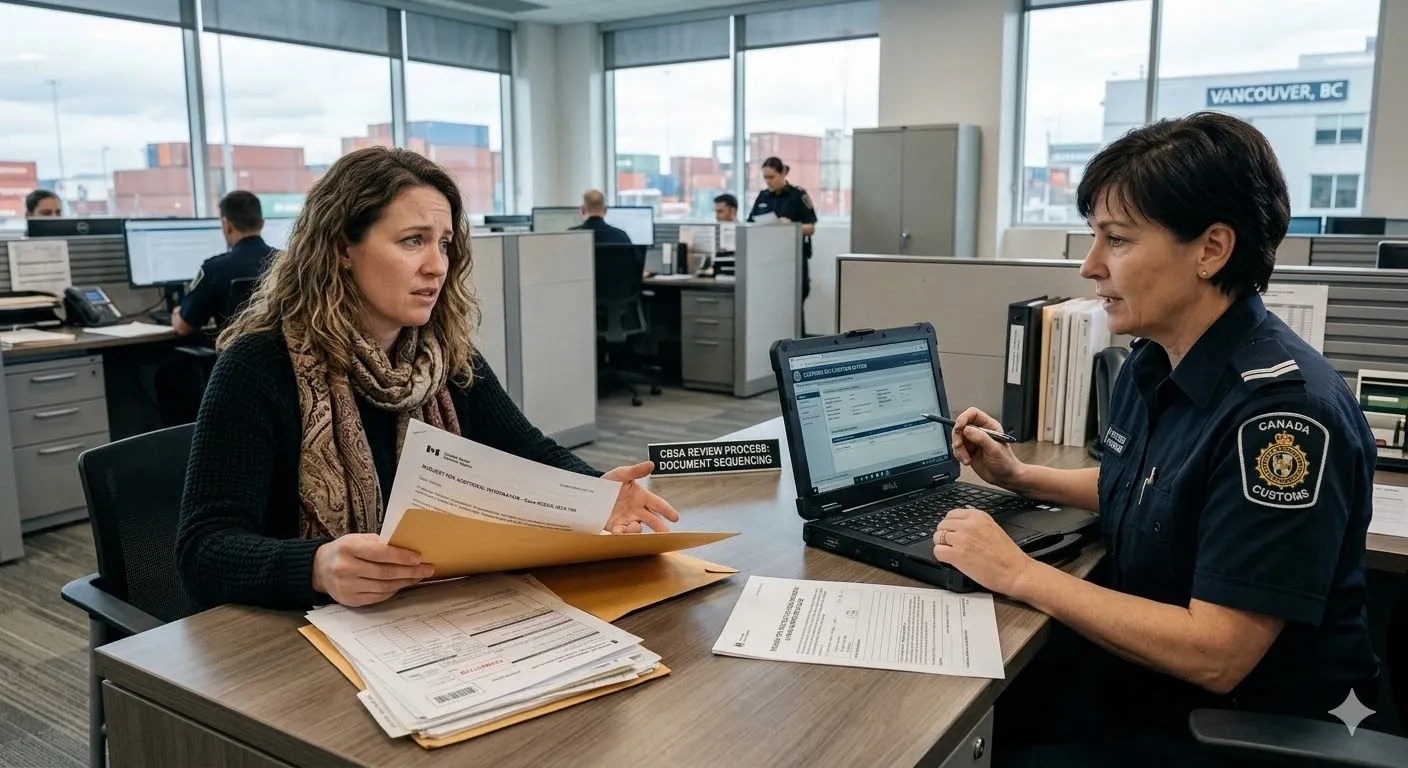
Sometimes sellers help, but CBSA still needs a clearly identified importer in Canada. If that role is unclear, CBSA will pause clearance and ask questions.
Carriers move shipments. They do not assume legal responsibility for customs clearance.
If the importer of record isn’t clearly identified, the carrier cannot resolve the issue.
A customs broker acts on behalf of the importer.
They help with the process, but they do not become the importer of record. Legal responsibility stays with the importer.
CBSA needs to know:
Without that clarity, CBSA cannot complete clearance.
This is why people often say:
“They’re asking me questions, but I didn’t think this was on me.”
When responsibility isn’t clearly established:
Many long delays trace back to this single issue.
Sometimes, but it’s rarely simple. Changing the importer of record mid-process can:
This is why responsibility should be confirmed before shipping.
Based on real outcomes with our customers, responsibility is usually clear when:
This alone prevents many avoidable delays.
Every shipment entering Canada must have:
If that role is unclear, customs clearance stops. Understanding this early avoids a large percentage of customs-related problems.
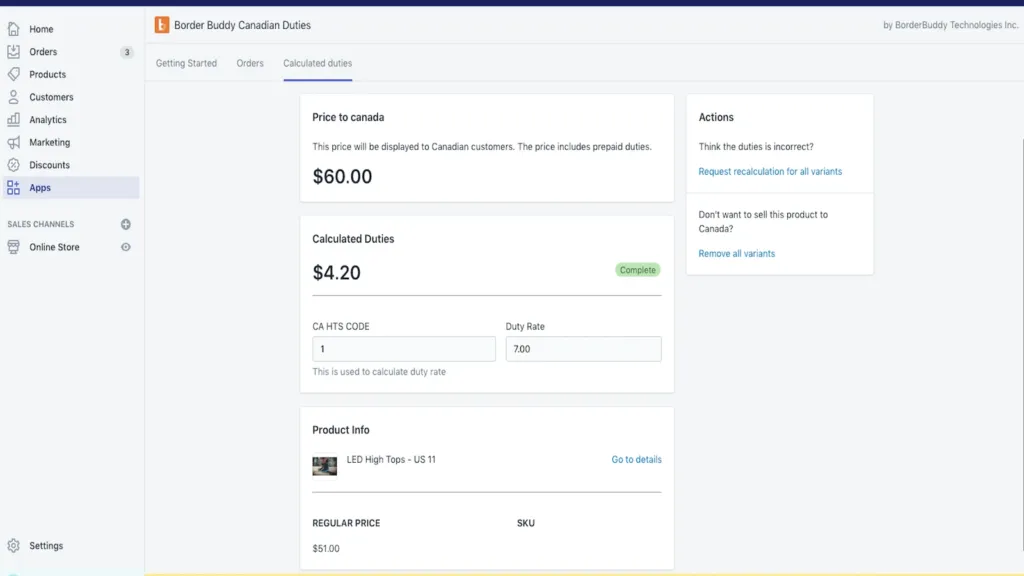
Use BorderBuddy’s duty & tax calculator to estimate your obligations before they become a problem. BorderBuddy’s calculator also uses AI to help classify goods under the correct HS (Harmonized System) code, a key factor in determining the duty rate applied to an import.
People who ask about responsibility usually ask next:
If you still didn’t find what you were looking for, BorderBuddy is here to help.
Our team can help you get clear answers and avoid delays at the border.

.svg)
.svg)