


.svg)
.svg)



























































Simplify your customs today
Calculate duties and taxes

.avif)
.avif)
.svg)
Streamlining customs clearance

.svg)
.svg)
.svg)
.svg)
import into canada
Import into the USA
.avif)
© 2026 Borderbuddy, All rights reserved.
Designed by SupaStellar


One of the most common reactions we hear is disbelief:
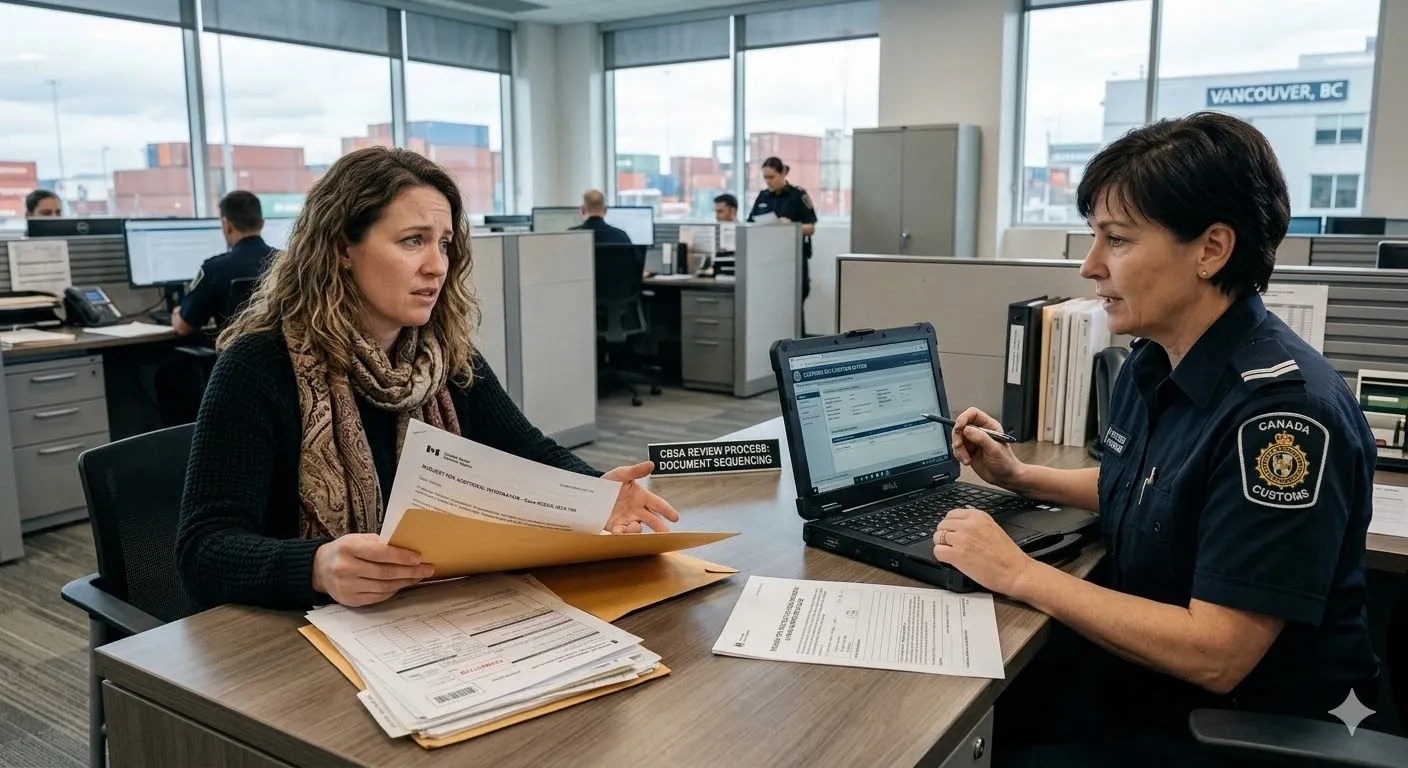
When the Canada Border Services Agency (CBSA) asks for more information after a shipment has already been submitted, it feels like the rules changed mid-process. In reality, this request usually means that CBSA cannot complete clearance with the information currently available.
This post explains why CBSA requests additional information after submission and what that actually signals.
A critical misunderstanding is assuming that submitting documents equals clearance. Submission means:
It does not mean:
CBSA reviews submissions in stages. Questions often arise only after they begin evaluating the details.
CBSA does not review every aspect of a shipment at once. Typically, they:
Questions often arise when CBSA reaches a step at which the existing information no longer answers their questions. That’s why requests may come after submission rather than immediately.
Descriptions that seemed fine for shipping often aren’t detailed enough for customs. Terms such as the following don’t allow CBSA to classify goods accurately:
When classification isn’t clear, CBSA asks follow-up questions. A good description explains what the item is, what it’s made of, and what it’s used for. Examples of good descriptions:
CBSA may ask for more information when:
This often leads to calls asking:
“Why don’t they believe the invoice?”
CBSA isn’t questioning intent. They’re verifying accuracy.
Another frequent trigger is confusion around who is responsible for the shipment.
If CBSA can’t clearly identify:
They will pause clearance and ask for clarification.
CBSA compares details across:
If something doesn’t match, even slightly, CBSA may ask for clarification before proceeding. Consistency matters more than volume of paperwork.
Some shipments are flagged for closer review due to:
In these cases, CBSA may ask for documents that weren’t initially required. This doesn’t mean the shipment is in trouble. It means CBSA needs more confidence before release.
From the importer’s perspective, it feels like:
“They waited until the last minute.”
From CBSA’s perspective:
This is why requests often come after the goods have shipped, not before.
If CBSA doesn’t receive the requested information:
Waiting without responding does not resolve the request.
Based on call outcomes, responses are most effective when:
Partial or piecemeal responses often lead to more questions.
When CBSA asks for more information, it’s not a rejection. It’s a signal that:
Shipments resume once CBSA receives what it needs in usable form.
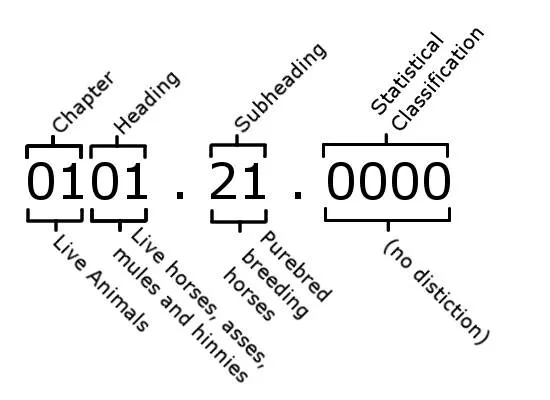
Estimate duties and taxes with BorderBuddy’s calculator so you’re not caught off guard. BorderBuddy’s calculator also uses AI to help classify goods under the correct HS (Harmonized System) code, a key factor in determining the duty rate applied to an import.
People who receive follow-up requests usually ask next:
If you still didn’t find what you were looking for, BorderBuddy is here to help.
Our team can help you get clear answers and avoid delays at the border.

.svg)
.svg)