


.svg)
.svg)






.png)


































Simplify your customs today
Calculate duties and taxes

.avif)
.avif)
.svg)
Streamlining customs clearance

.svg)
.svg)
.svg)
.svg)
import into canada
Import into the USA
.avif)
© 2026 Borderbuddy, All rights reserved.
Designed by SupaStellar


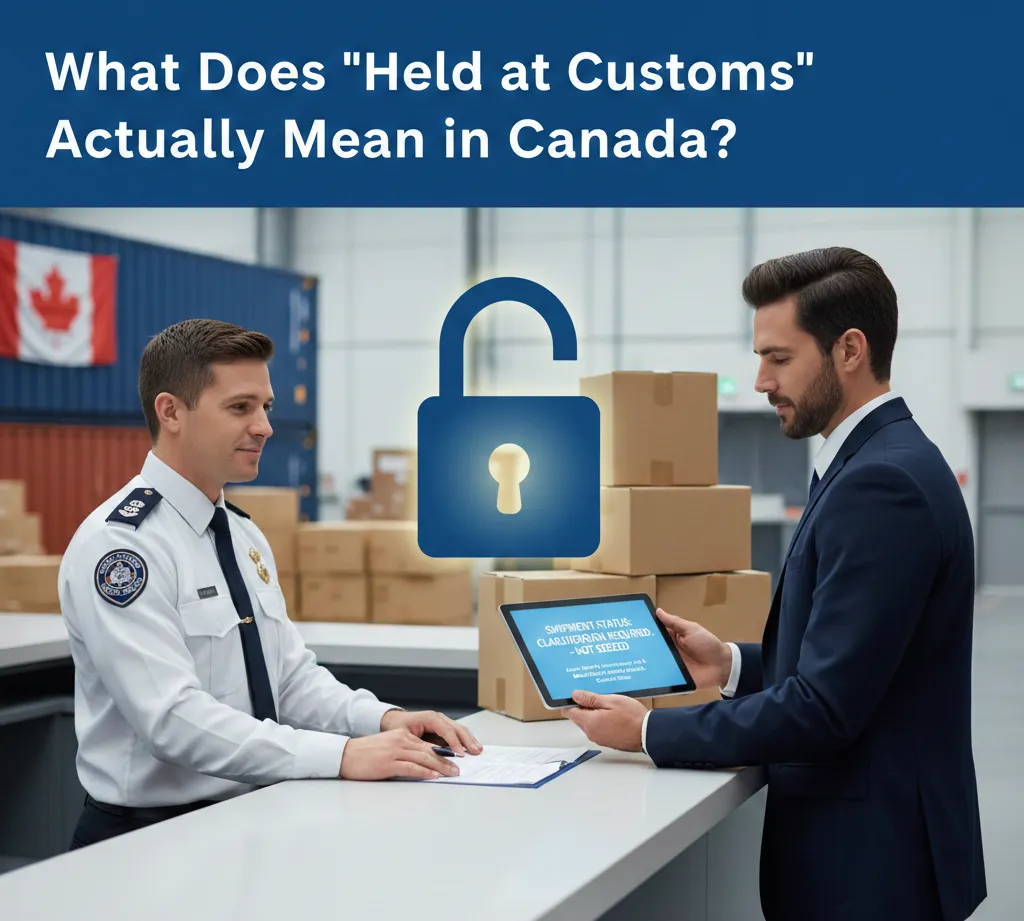
Few words create more stress than this one:
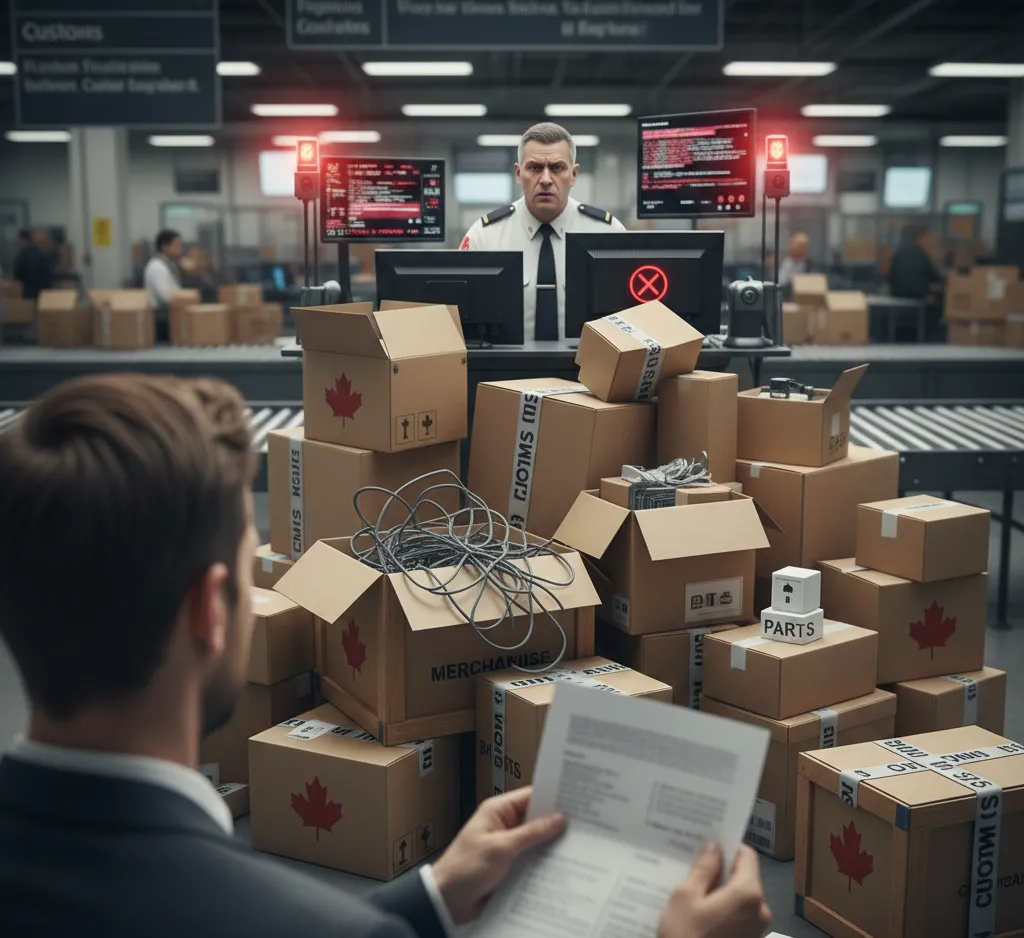
“Your shipment has been held by customs and selected for inspection.”
That usually prompts the following questions:
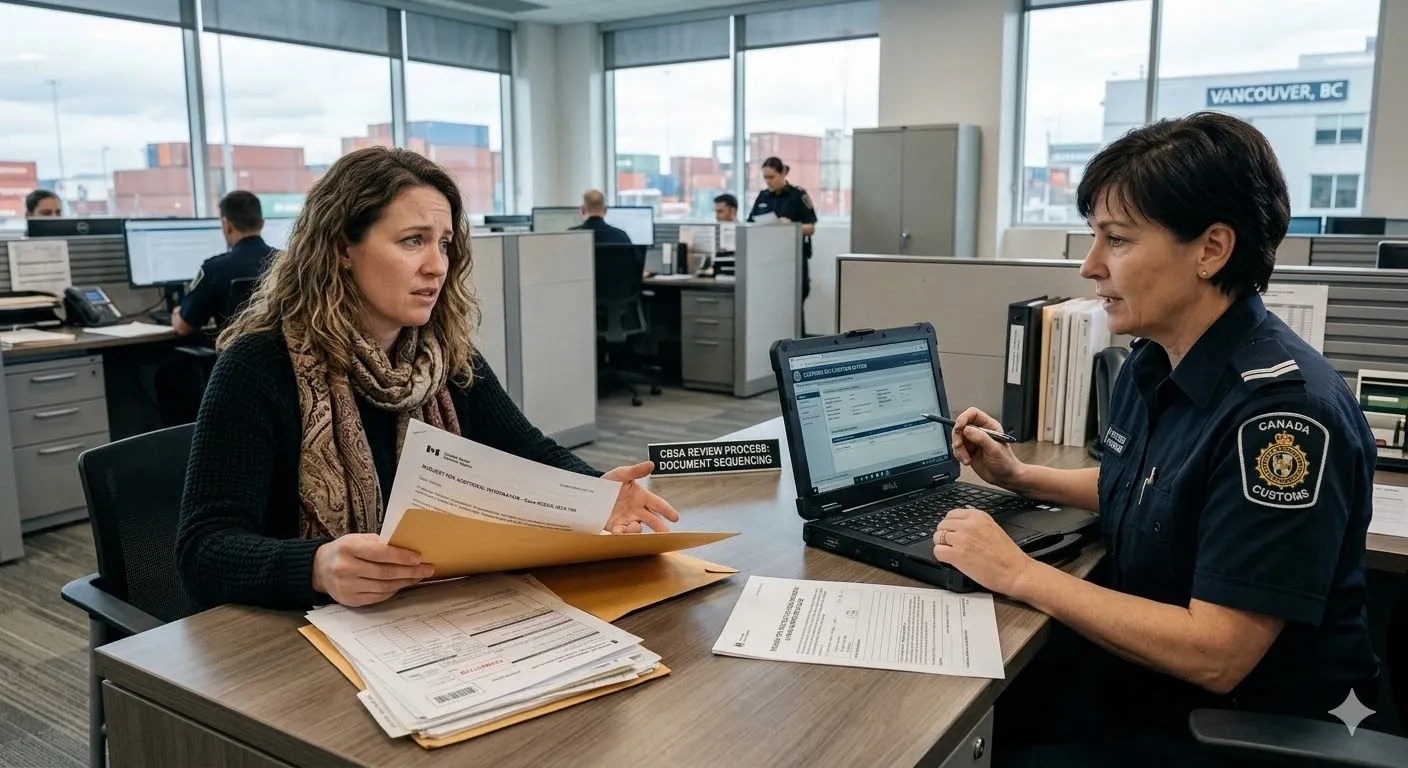
A CBSA inspection feels opaque from the outside, but in practice, it follows a fairly consistent pattern.
This post explains what actually happens during a CBSA inspection and what it usually means for your shipment.
This is the most important thing to understand. A CBSA inspection does not automatically mean:
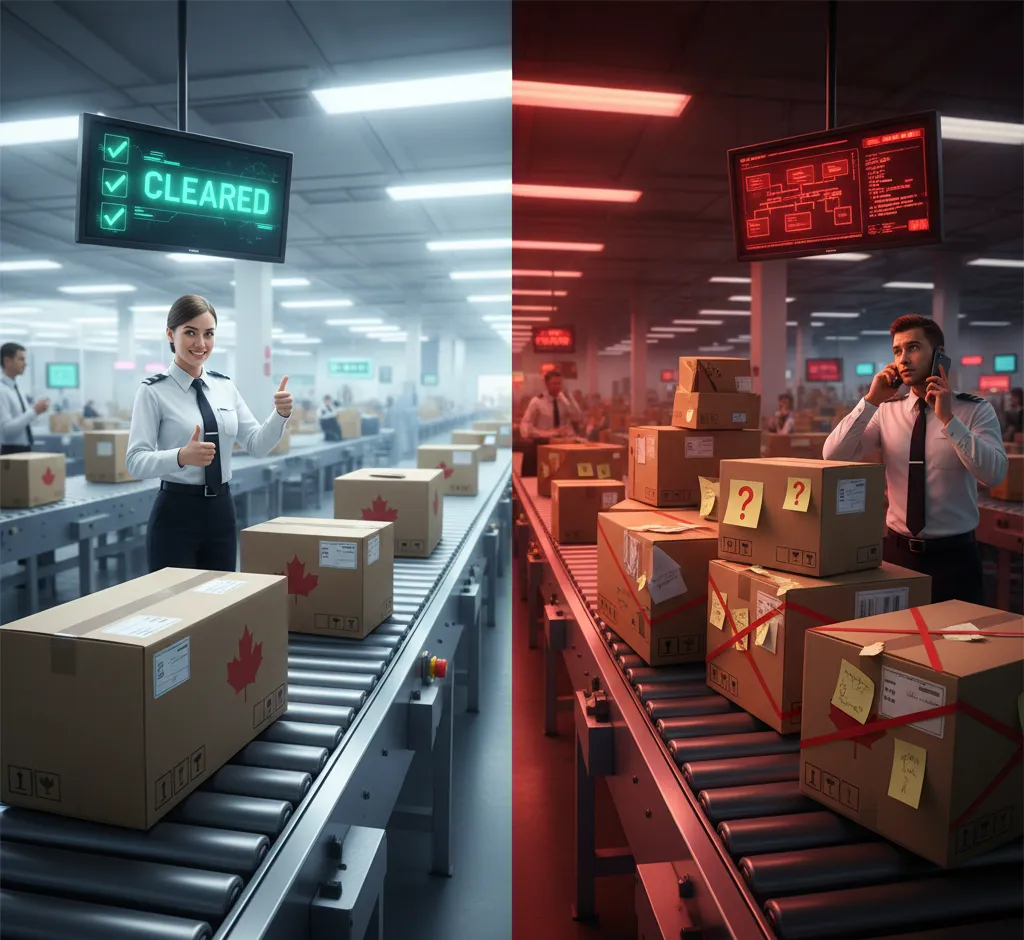
Many inspections are routine or risk-based checks, not enforcement actions. The vast majority of inspected shipments are eventually released.
Based on what we’ve seen, inspections are triggered for a few common reasons.
CBSA may inspect a shipment when it needs to verify:
This often happens when descriptions are vague or shipment values raise questions.
Some shipments are inspected because they match specific risk indicators, such as:
This does not mean the shipment is wrong. It means CBSA wants a closer look before releasing it.
Not all inspections are tied to a specific concern. Some shipments are selected:
This is why people often say:
“Nothing about this shipment is unusual.”
Sometimes, that’s true.
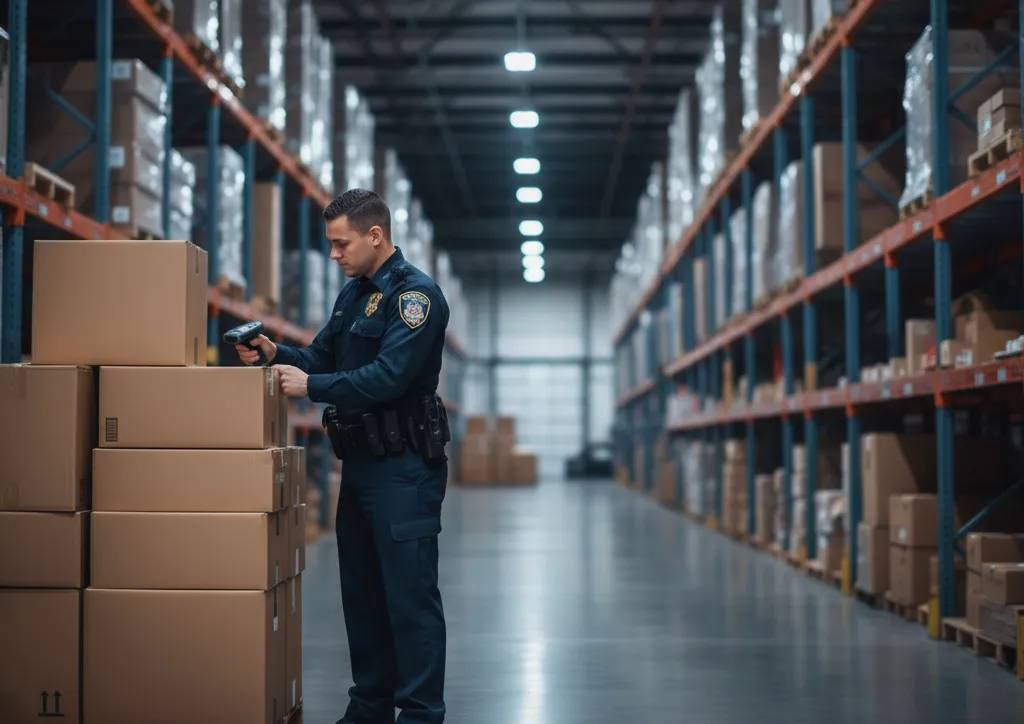
While details vary, inspections generally involve one or more of the following steps:
During this time, the shipment is not progressing through the clearance process. In many cases, CBSA is simply confirming that the shipment matches the declaration before it can legally release it.
An inspection does not usually involve:
Those outcomes are rare and tied to serious issues, not routine inspections. Most customers are dealing with procedural, not punitive, inspections.
Inspections can take longer because:
This is why inspection timelines are hard to predict. Waiting without resolving outstanding questions usually extends the process.
During or after inspection, CBSA may request:
These requests are part of completing the inspection, not a separate process. CBSA may also request product specifications, ingredient lists, or proof of origin if classification or admissibility is unclear.
Shipments are released when:
Once released, the shipment returns to normal delivery flow.
From the importer’s perspective:
This makes inspections feel more serious than they usually are. In reality, CBSA is working through a checklist to ensure clearance is justified. Most delays come from missing information or unanswered questions, not from the inspection itself.
A CBSA inspection is a verification step, not a verdict. Most inspections:
They take time because CBSA must be confident before clearing the shipment. However, inspections can become much more serious if CBSA suspects the shipment was misdeclared to reduce duties or avoid regulatory requirements. Inspections can lead to reassessment of value and additional charges.
Use BorderBuddy’s duty & tax calculator to understand what CBSA may apply after review. BorderBuddy’s calculator also uses AI to help classify goods under the correct HS (Harmonized System) code, a key factor in determining the duty rate applied to an import.
People whose shipments are inspected usually ask next:
If you still didn’t find what you were looking for, BorderBuddy is here to help.
Our team can help you get clear answers and avoid delays at the border.

.svg)
.svg)