


.svg)
.svg)




















.png)




















































Simplify your customs today
Calculate duties and taxes

.avif)
.avif)
.svg)
Streamlining customs clearance

.svg)
.svg)
.svg)
.svg)
import into canada
Import into the USA
.avif)
© 2026 Borderbuddy, All rights reserved.
Designed by SupaStellar


Returns that cross the Canada–U.S. border often create more confusion than the original shipment. The situation usually looks like this:
Many people assume that returning something is simply “sending it back.” In reality, cross-border returns trigger a new customs process, and that’s where problems start.
This post explains how returns from Canada to the U.S. work with customs, based entirely on how these situations actually unfold in real cases.
A very common assumption is:
From a customs perspective, a return from Canada to the U.S. is:
Even though the goods are going back, they don’t move without explanation. A return is not just an export from Canada. It is also a re-import into the United States, which means U.S. Customs will still require a clear entry story on the way back.
Based on what we’ve seen, returns raise questions because customs needs to understand:
If that story isn’t clear, the return can slow down or stall.
One of the most confusing moments is seeing customs charges mentioned again during a return. This usually happens because:
When the return isn’t clearly documented, customs treats it like a standard cross-border shipment.
Returns May Qualify for Duty Relief
In many cases, returned goods are not supposed to be charged duty twice. If the goods are clearly identified as returns, they may qualify for special treatment such as returned goods relief or duty drawback. But that only works when the return is documented properly.
Based on our experience, return delays almost always trace back to documentation. Problems arise when:
When customs can’t clearly see that goods are being returned, questions follow.
Returned goods are often shipped with a low declared value, but customs still need the value to make sense in context. “$1 return” without explanation can trigger questions.
For example, return paperwork should clearly state: “Canadian return of previously imported goods” and reference the original invoice or entry number when possible. Without that, customs often treat the shipment as a new commercial import.
Returns feel frustrating because:
In reality, returns can take time because:
The delay usually isn’t about movement. It’s about explanation.
When return documentation isn’t clear:
This is why returns generate so many follow-up questions. One of the most common return failures is that no one is clearly listed as the exporter from Canada or the importer back into the US. When responsibility is unclear, the return stalls.
Returns often happen under pressure:
When customs issues arise during a return, urgency increases because people expect the issue to be resolved.
From the situations that resolved more smoothly, returns were easier when:
Returns work best when they are planned, not improvised.
A return from Canada to the U.S. is not just shipping in reverse. It is a new customs event that requires:
When those elements are missing, returns become delayed and more expensive than expected.
Returns can still involve duties, taxes, or other charges if details aren’t clear.
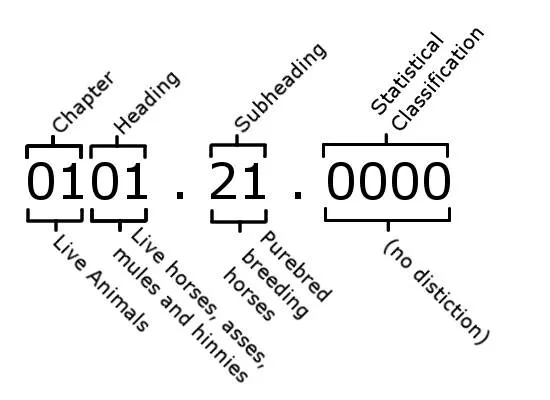
Use the BorderBuddy duty & tax calculator to get a quote. It helps you understand how customs may assess the return, whether charges are likely to apply, and what costs are expected before the shipment moves. BorderBuddy’s calculator also uses AI to help classify goods under the correct HS (Harmonized System) code, a key factor in determining the duty rate applied to an import.
People dealing with cross-border returns often ask next:
If you still didn’t find what you were looking for, BorderBuddy is here to help.
Our team can help you get clear answers and avoid border delays.

.svg)
.svg)