


.svg)
.svg)



























.png)






































Simplify your customs today
Calculate duties and taxes

.avif)
.avif)
.svg)
Streamlining customs clearance

.svg)
.svg)
.svg)
.svg)
import into canada
Import into the USA
.avif)
© 2026 Borderbuddy, All rights reserved.
Designed by SupaStellar


One of the first questions that comes up when importing into the United States is simple:
Do I actually need a customs broker?
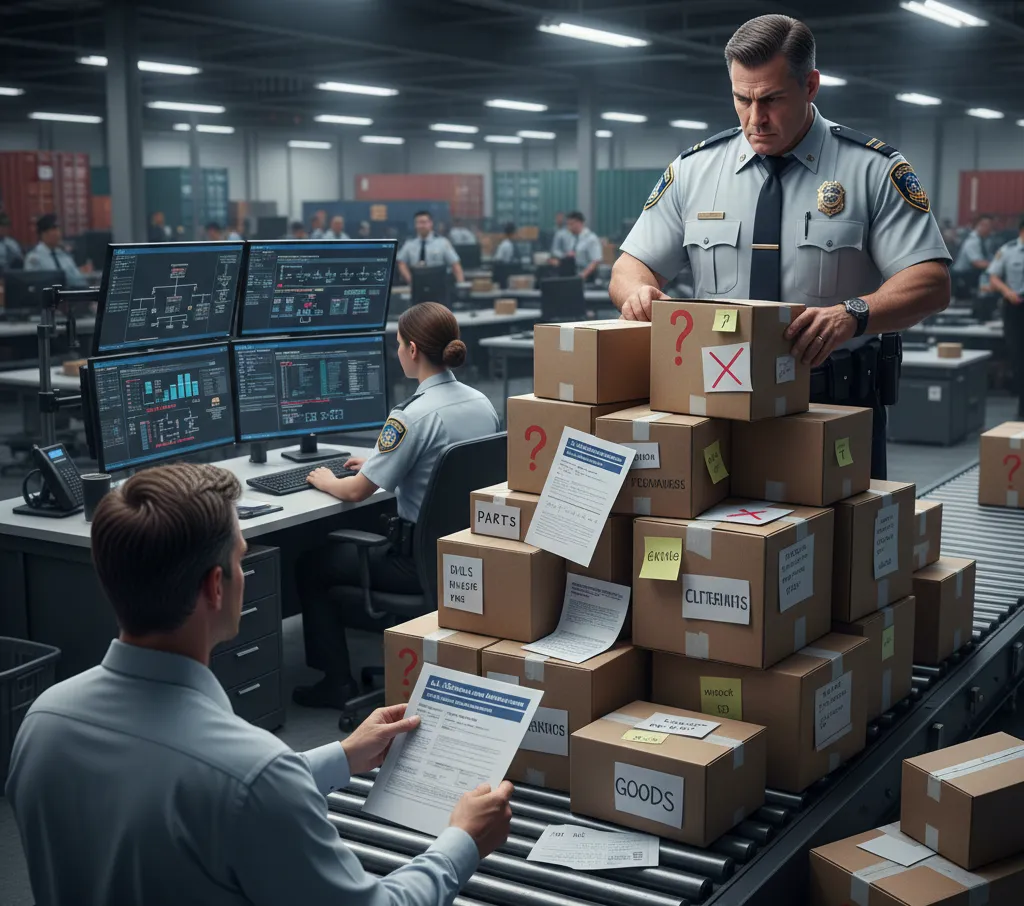
Some imports seem straightforward at first. Then the shipment reaches U.S. Customs, and paperwork questions arise, making the process feel less precise.
This post explains when a customs broker is required, when it is optional, and why this question frequently arises in U.S. import situations.
A customs broker is a licensed professional who helps manage the customs clearance process by:
A broker does not change the rules, but helps ensure the shipment is presented in a way that U.S. Customs and Border Protection (CBP) and any required Partner Government Agencies (PGAs) can process efficiently. Brokers also file entries through CBP’s Automated Commercial Environment (ACE) system and help ensure the importer’s bond and compliance obligations are met.
A broker is not always legally required for every import into the U.S. However, the need for a broker depends on factors such as:
Most commercial shipments above the informal entry threshold (typically over $2,500 USD, or lower for sure-regulated goods) require formal entry, which involves additional documentation, an active customs bond, and stricter compliance requirements. This is why the broker question appears so early in the process.
Based on real import patterns, brokers are most commonly needed when:
Brokers are especially valuable when other federal agencies, such asthe FDA, USDA, EPA, or FCC, may also need to review the shipment before release. Many imports become complicated not because the goods are unusual, but because small documentation or classification issues stop clearance.
Some imports may be manageable without a broker when:
Self-clearing is possible, but it requires confidence in the process and paperwork. The importer must still be able to file an entry properly, maintain a bond if needed, and respond directly to CBP requests.
One reason brokers matter so much is that they help prevent:
Many customs problems are not caused by shipping, but by uncertainty in documentation, value, or classification. In today’s environment of heightened enforcement and additional duty exposure, minor errors can quickly become expensive.
Even if a broker is used, the importer remains responsible for:
A broker helps manage the process but does not relieve the importer of responsibility. CBP holds the Importer of Record accountable, even when a broker prepares and transmits the entry. Importers must also retain entry records for five years in case of audit or post-entry review.
One of the best ways to decide whether you need a broker is to understand the potential cost and complexity upfront.
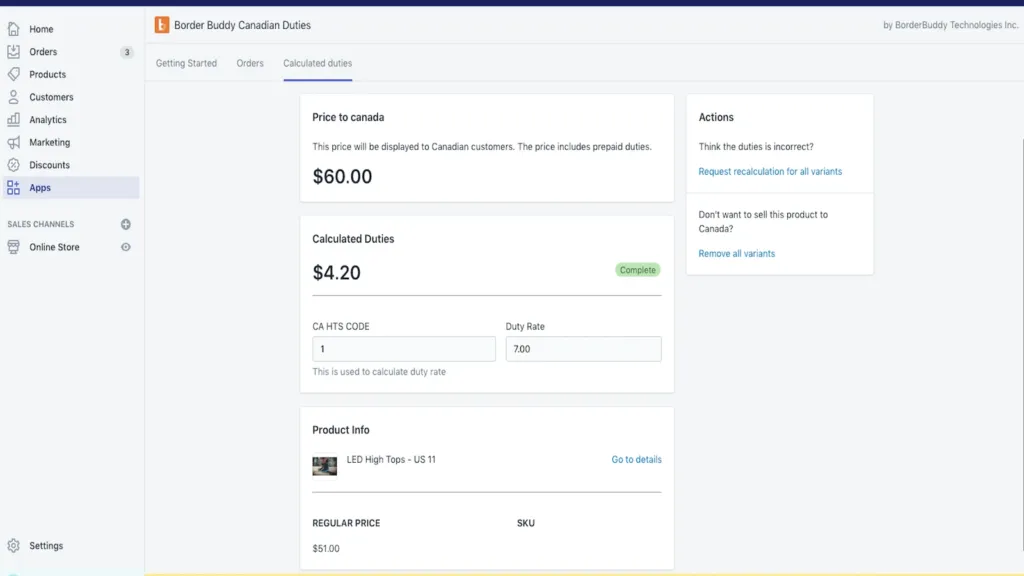
Use the BorderBuddy duty & tax calculator to get a quote. It helps you estimate expected import duties, taxes and fees, potential tariff-related charges, and total landed cost before shipping.
BorderBuddy’s calculator also uses AI to help classify goods with the correct HTS (Harmonized Tariff Schedule) code, a key factor in determining duty rates on U.S. imports.
People asking whether they need a broker often ask next:
If you still didn’t find what you were looking for, BorderBuddy is here to help.
Our team can help you get clear answers and avoid delays at the border.

.svg)

.svg)