


.svg)
.svg)































.png)



























Simplify your customs today
Calculate duties and taxes

.avif)
.avif)
.svg)
Streamlining customs clearance

.svg)
.svg)
.svg)
.svg)
import into canada
Import into the USA
.avif)
© 2026 Borderbuddy, All rights reserved.
Designed by SupaStellar


U.S. customs clearance often feels unpredictable. Some shipments move through quickly. Others slow down without a clear timeline. Most timing questions come from a single source. People want to know what controls the process and what actually causes delays.
This post explains how long U.S. customs clearance usually takes, based solely on the timing patterns we’ve observed under U.S. Customs and Border Protection (CBP) review procedures.
U.S. customs clearance does not follow a fixed clock. Clearance time depends on:
Some shipments clear the same day. Others take longer because questions remain open. Entries that transmit cleanly through ACE (Automated Commercial Environment) without flags often release faster.
When documentation stays clear and complete, clearance often moves quickly. A smooth clearance usually includes:
When these elements align, U.S. Customs can complete the review without interruption. In many low-risk entries, release may be handled electronically without a physical inspection.
Delays appear when U.S. Customs needs clarification. Common delay triggers include:
Each unresolved question adds time because clearance cannot continue without answers. CBP may issue a Request for Information if clarification is required.
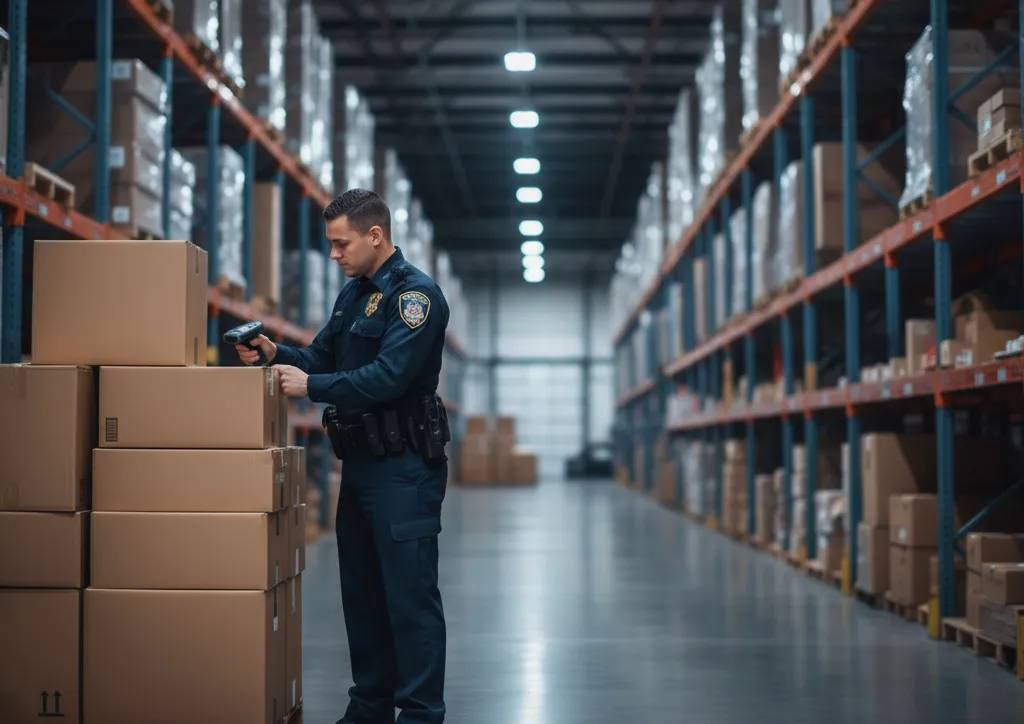
U.S. Customs sometimes selects shipments for inspection. Inspections add time because customs may:
Inspection timing depends on response speed and documentation quality. Examination fees, storage, and demurrage may accumulate during this period.
Clearance feels uncertain because:
Most delays reflect a lack of clarity rather than a system backlog. Physical arrival at the port does not guarantee legal release.
Preparation shortens review time more than urgency. Clearance moves faster when:
Partial fixes often lead to follow-up questions and longer timelines. Clearance slows when:
U.S. customs clearance time depends on clarity, not just arrival. Shipments move faster when customs receives complete, consistent information from the start. Most long delays stem from unanswered questions rather than volume or congestion.
Clearance is a compliance determination—not a shipping milestone.
Planning duties and classification early helps prevent delays. Confirming admissibility and documentation requirements before export reduces hold risk.
Use the BorderBuddy duty and tax calculator to get a quote. It helps you estimate expected import duties, taxes and fees, potential tariff-related charges, and total landed cost before shipping.
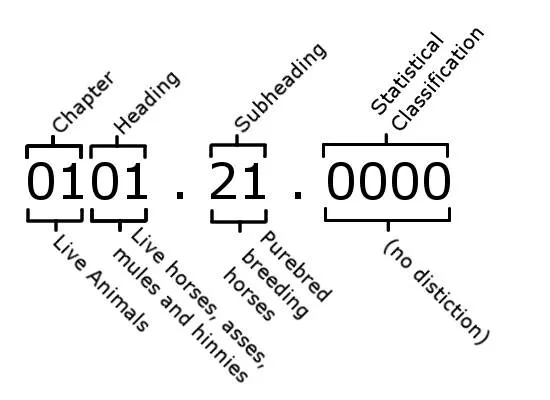
BorderBuddy’s calculator also uses AI to help classify goods under the correct HTS code, which determines duty rates and supports smoother customs reviews. Accurate classification strengthens both compliance and release predictability.
People asking about clearance timelines often ask next:
If you still didn’t find what you were looking for, BorderBuddy is here to help.
Our team can help you get clear answers and avoid delays at the border. In U.S. imports, preparation and compliance readiness determines clearance speed, not urgency.

.svg)
.svg)