Many customs inquiries eventually circle back to the same issue:
- “They’re saying the invoice is wrong.”
- “I sent an invoice, so I don’t understand the delay.”
- “What do they mean by missing information?”
- “Can’t they just use what I already provided?”
In Canada, the commercial invoice is not a formality. It is the primary document CBSA uses to decide whether a shipment can clear customs.
This post explains what actually happens when a commercial invoice is missing or incorrect, based on how these situations unfold in real calls.
Why the Commercial Invoice Matters So Much
CBSA uses the commercial invoice to determine:
- What the goods are
- How they should be classified
- What are they worth
- Who is responsible for them
- How much duty and tax is owed
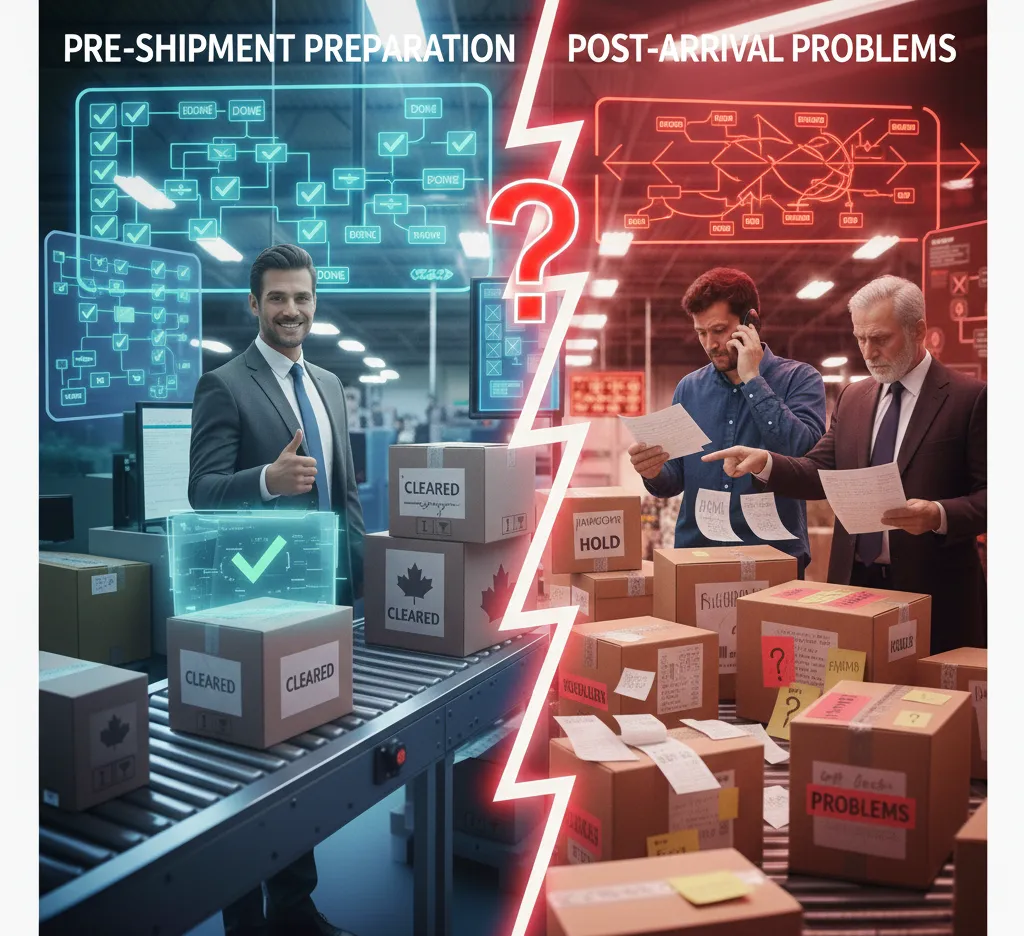
If the invoice does not clearly answer those questions, clearance stops. This is why invoice issues account for such a large percentage of delayed shipments.
What “Missing” Really Means
When CBSA says an invoice is missing, it doesn’t always mean:
It often means:
- The invoice wasn’t submitted with the customs declaration
- The invoice is incomplete
- The invoice can’t be used to assess the shipment
From the importer’s perspective, this often sounds like:
“But I sent one.”
From CBSA’s perspective, the invoice isn’t usable.
What Makes an Invoice “Incorrect”
Invoices are considered incorrect when they include issues like:
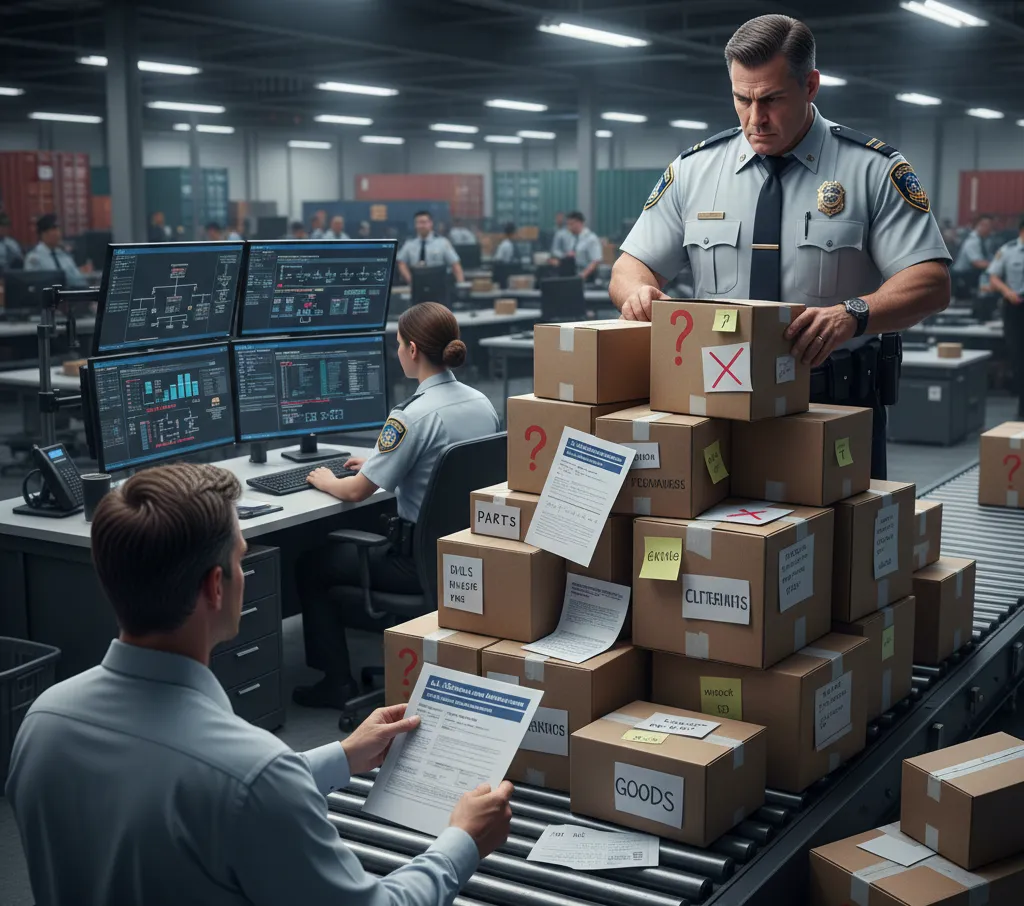
- Vague product descriptions that are too generic for classification purposes (for example, “parts,” “samples,” “clothing”, “accessories”, or the very worst “deal of the week/sale item”)
- The invoice references internal SKUs only, with no plain-language product identification
- Values that don’t match the goods
- The invoice value appears artificially low compared to the type of goods, triggering suspicion of undervaluation
- Missing currency
- The invoice includes multiple currencies or unclear exchange assumptions
- Missing buyer or seller details
- The parties on the invoice do not match the other documents
- The consignee or importer's name does not match the BN/RM account or the customs declaration
- The invoice is missing a complete quantity breakdown, including unit count, weight, or packaging details.
- No country of origin
- The invoice does not include the country of export or manufacture, which CBSA may need for tariff treatment and risk screening.
- The invoice is not signed or dated when required
- The invoice is issued in a foreign language, with no English or French translation available.
- The invoice does not indicate whether the goods are sold, returned, repaired, leased, or provided free of charge, which affects their valuation and accounting treatment.
- The invoice has been amended after shipping, which can raise compliance red flags and trigger further review
- The invoice conflicts with other documents, such as the packing list, bill of lading, or purchase order
- Inconsistencies with other documents
Even small errors can trigger questions, because CBSA relies on this document to make legal and financial decisions.
What Happens When CBSA Flags an Invoice
When CBSA can’t rely on the invoice:
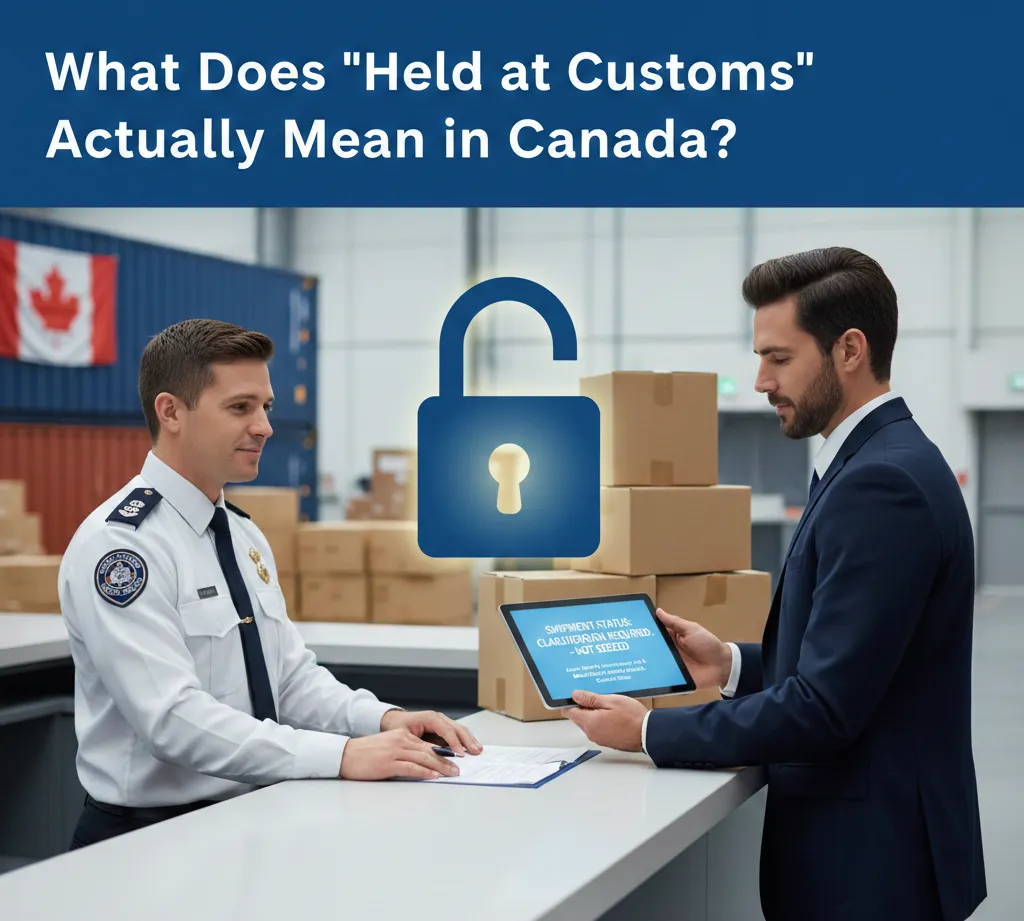
- The shipment is placed on hold
- Clearance pauses
- CBSA asks for clarification or corrections
At this stage, time alone does not resolve the issue. Clearance resumes only when CBSA receives an invoice that it can use. This is why people often say:
“It’s just sitting there.”
Why CBSA May Question the Declared Value
Another common invoice issue is valuation. CBSA may question the value if:
- It seems unusually low
- It doesn’t match the description
- Discounts aren’t explained
- The transaction isn’t clear
This often leads to the question: “Why are they saying it’s worth more than I paid?”
CBSA can reassess the value if the invoice does not support the declared amount.
Can an Invoice Be Fixed After Shipping?
Sometimes, yes. But fixing an invoice after shipping:
- Takes time
- Often triggers additional review
- Can lead to reassessment of duties and taxes
- Almost always causes delays
Many importers realize this only after the shipment has already been held.
Why This Happens So Often
Based on what we’ve seen, invoice problems usually happen because:
- Invoices were created for shipping, not customs
- Descriptions were too generic
- Responsibility for invoice accuracy was unclear
- The importance of the invoice was underestimated
Most people don’t know how critical this document is until it causes a delay.
How to Reduce Invoice-Related Delays
Invoice issues are less likely when:
- Descriptions are specific and detailed
- Values are clearly supported
- Buyer, seller, and importer details are correct
- Information matches across all documents
Clarity matters more than length or formatting.
The Most Important Takeaway
In Canada, an invoice that exists is not the same as an invoice that works. Customs clearance depends on whether CBSA can:
- Understand the goods
- Trust the value
- Identify responsibility
When the invoice doesn’t support those decisions, clearance stops until it does.
Invoice issues often lead to reassessed values and higher charges.
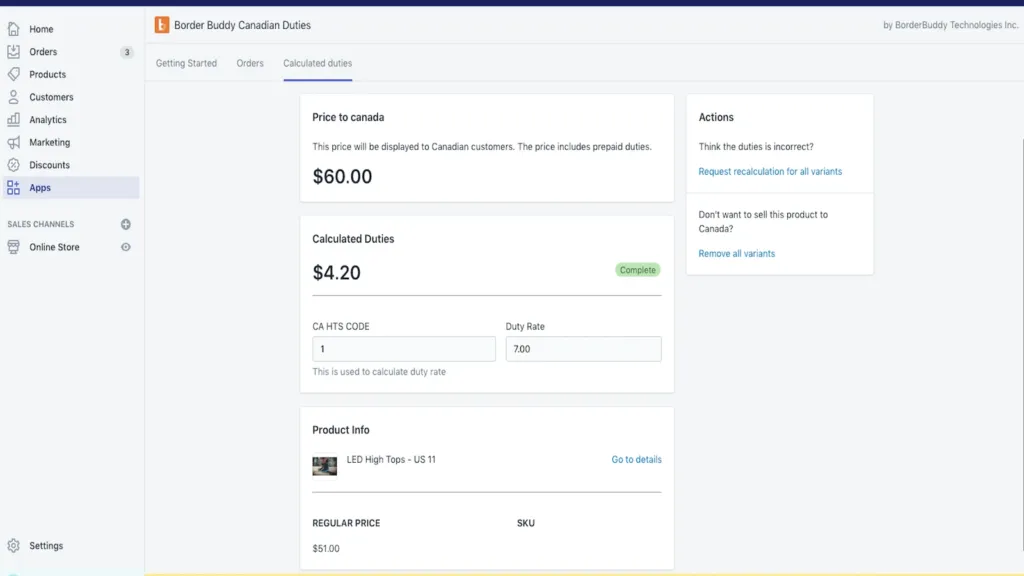
Use the BorderBuddy duty & tax calculator to understand how CBSA may value your shipment. BorderBuddy’s calculator also uses AI to help classify goods under the correct HS (Harmonized System) code, a key factor in determining the duty rate applied to an import.
What to Read Next
People dealing with invoice problems usually ask next:
Still Need Help With Your Import?
If you still didn’t find what you were looking for, BorderBuddy is here to help.
Our team can help you get clear answers and avoid delays at the border.


.svg)
.svg)
































































.avif)
.avif)
.svg)

.svg)
.svg)
.svg)
.svg)
.avif)



.svg)

.svg)