


.svg)
.svg)





















































.png)













Simplify your customs today
Calculate duties and taxes

.avif)
.avif)
.svg)
Streamlining customs clearance

.svg)
.svg)
.svg)
.svg)
import into canada
Import into the USA
.avif)
© 2026 Borderbuddy, All rights reserved.
Designed by SupaStellar


Importing goods into the United States often feels straightforward until the shipment reaches U.S. Customs. At that point, questions come up quickly:
Most confusion comes from one simple reality: Customs clearance is not automatic.
This post explains how customs clearance actually works in the United States, based entirely on the same real issues and misunderstandings that repeatedly surface with our customers.
Customs clearance is the process by which the US Customs and Border Protection (CBP) determines whether goods can legally enter the United States. CBP is trying to confirm:
If any of those points are unclear, the shipment slows down or stops.
When goods arrive in the U.S., they must be declared for entry. That declaration usually includes:
Clearance cannot begin until the shipment is properly entered into the system. In most cases, an official entry must be filed through CBP’s Automated Commercial Environment (ACE) system and linked to an Importer of Record.
CBP reviews the submission to confirm:
Many shipments slow down here because the paperwork answers some questions, but not all. This is where “it’s in customs” often begins. CBP may also need additional review from other federal agencies such as the FDA, USDA, EPA, or FCC, depending on the goods.
Once CBP understands the shipment, duties and fees may apply depending on:
A common misconception is that import charges are always simple or predictable. In practice, costs can change if the value or classification is questioned. Commercial shipments generally require an active customs bond before CBP will authorize release.
A frequent point of frustration is being asked for more documents after submission. This usually happens because:
These requests are part of the clearance process, not an exception. CBP requests may come through formal notices (such as a CF28 Request for Information) or through the broker or carrier handling the entry.
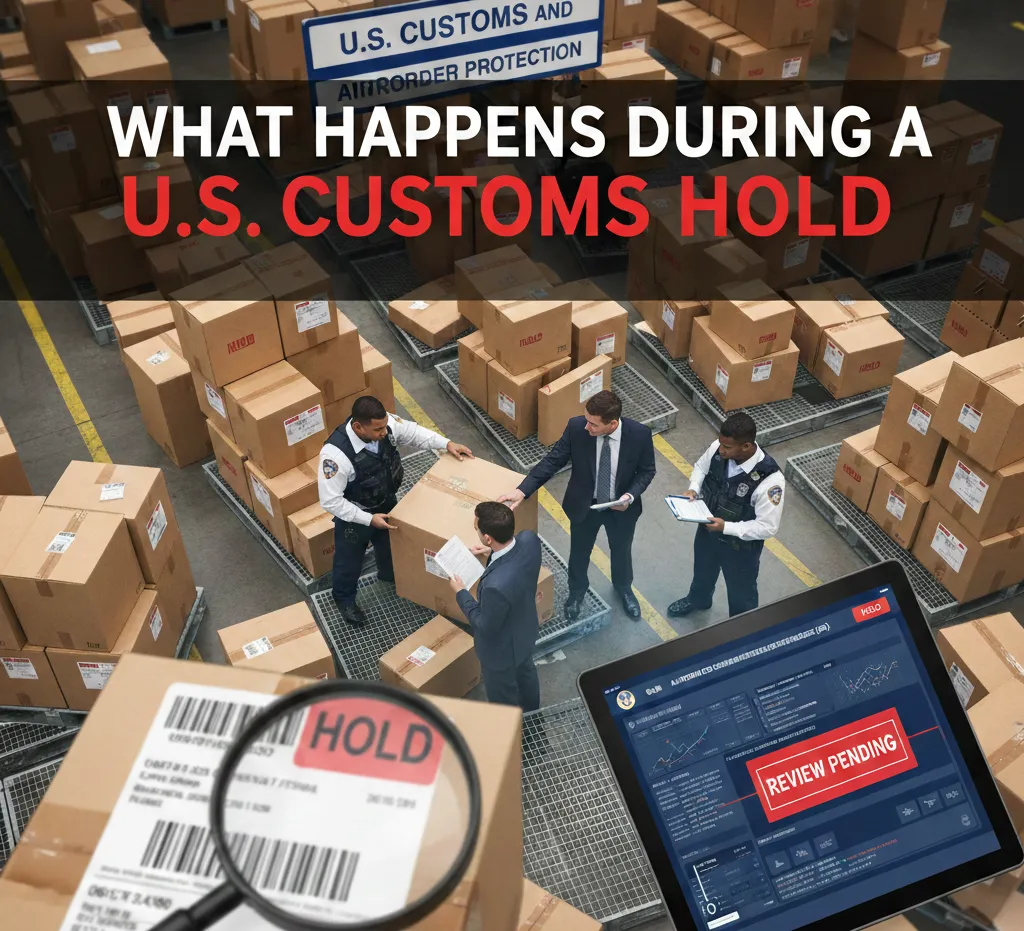
Some shipments are flagged for:
A hold does not necessarily mean something is wrong. It usually means CBP needs verification before release. Some holds are triggered by risk indicators, including product type, origin, routing patterns, or heightened enforcement priorities.
Once CBP is satisfied and any required payments are addressed, the shipment is released. At that point:
Most serious delays occur when issues are discovered late rather than planned for in advance. Even after release, CBP may still review an entry later through audit, reassessment, or post-entry enforcement.
One of the most consistent misunderstandings in U.S. imports is responsibility. Even when a broker or carrier is involved, the importer remains responsible for:
Responsibility must be clear or clearance stalls. Using a customs broker does not transfer legal liability. CBP holds the importer of record accountable for compliance. Importers are also required to retain entry records for five years in case CBP audits the shipment after release.
U.S. customs clearance works smoothly when:
When those pieces are unclear, delays and questions follow.
One of the easiest ways to reduce surprises is to understand duties and taxes early.
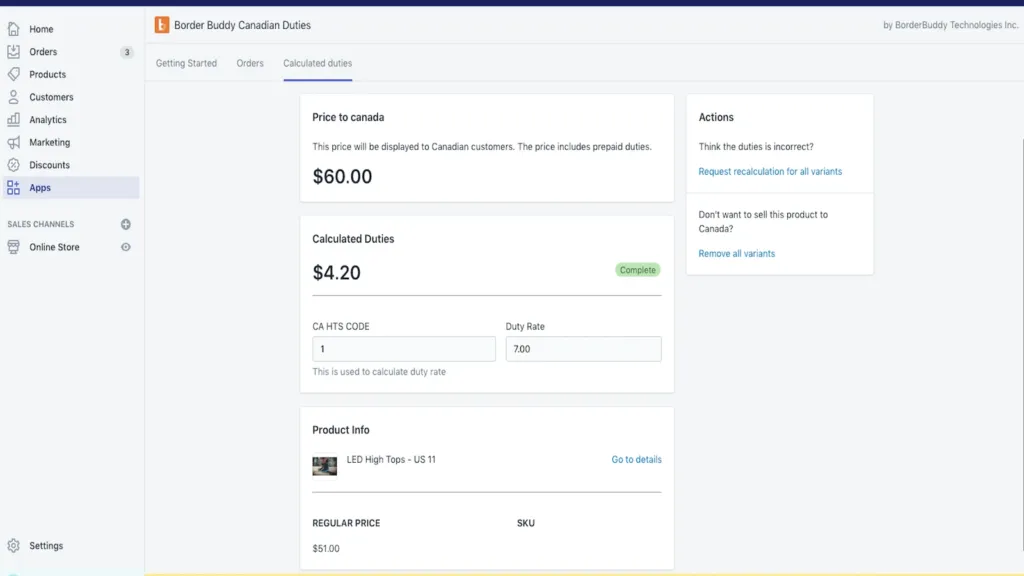
Use the BorderBuddy duty & tax calculator to get a quote. It helps you estimate expected duties, import taxes and fees, potential tariff-related charges, and total landed cost before the shipment reaches the border.
BorderBuddy’s calculator also uses AI to help classify goods under the correct HTS (Harmonized Tariff Schedule) code, a key factor in determining the duty rate applied to an import.
People learning how U.S. customs clearance works usually ask next:
If you still didn’t find what you were looking for, BorderBuddy is here to help.
Our team can help you get clear answers and avoid delays at the border.

.svg)
.svg)