Common Paperwork Mistakes That Delay Canadian Customs Clearance

When people contact us about a delayed shipment, they often start by saying:

  • “I don’t understand what went wrong.”
  • “All the paperwork was included.”
  • “This shouldn’t be complicated.”
  • “It’s just documents. How could that stop everything?”

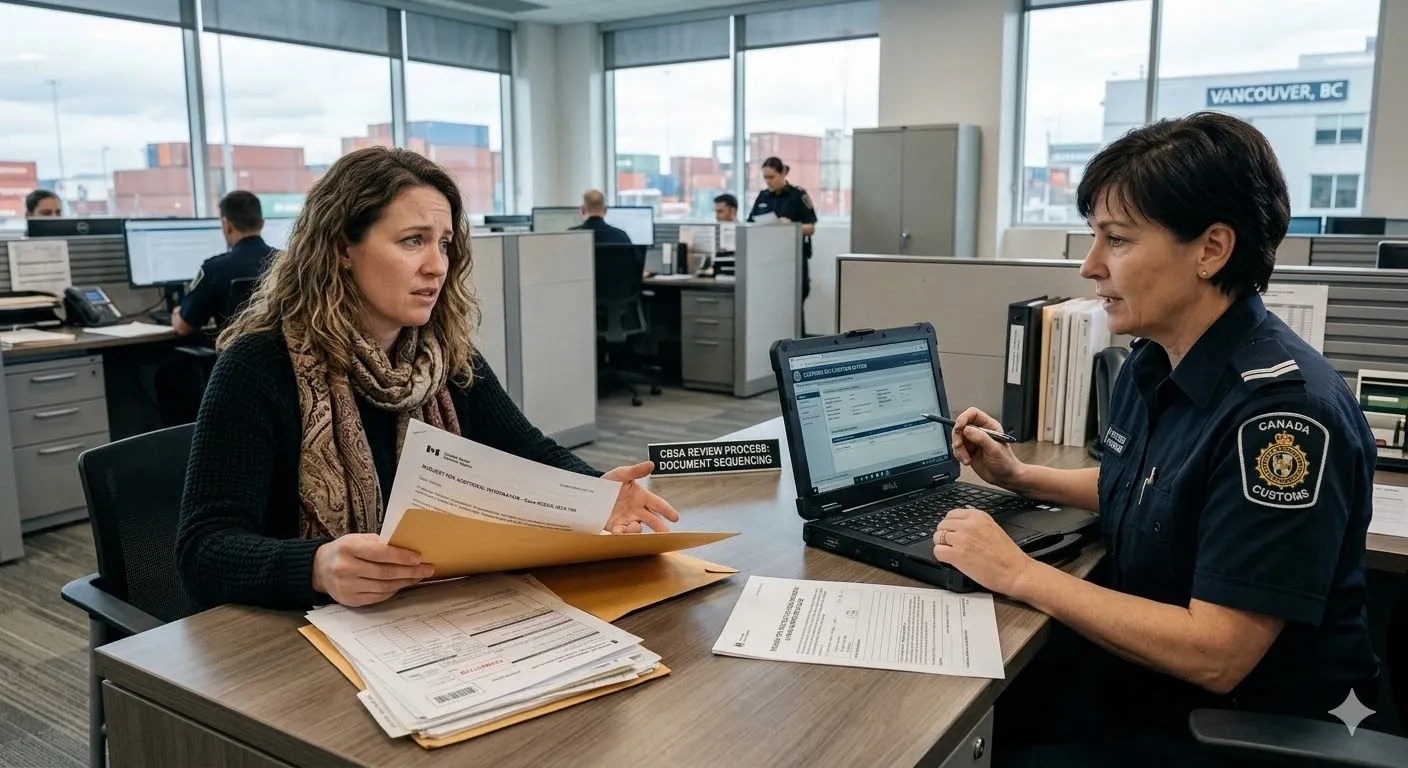
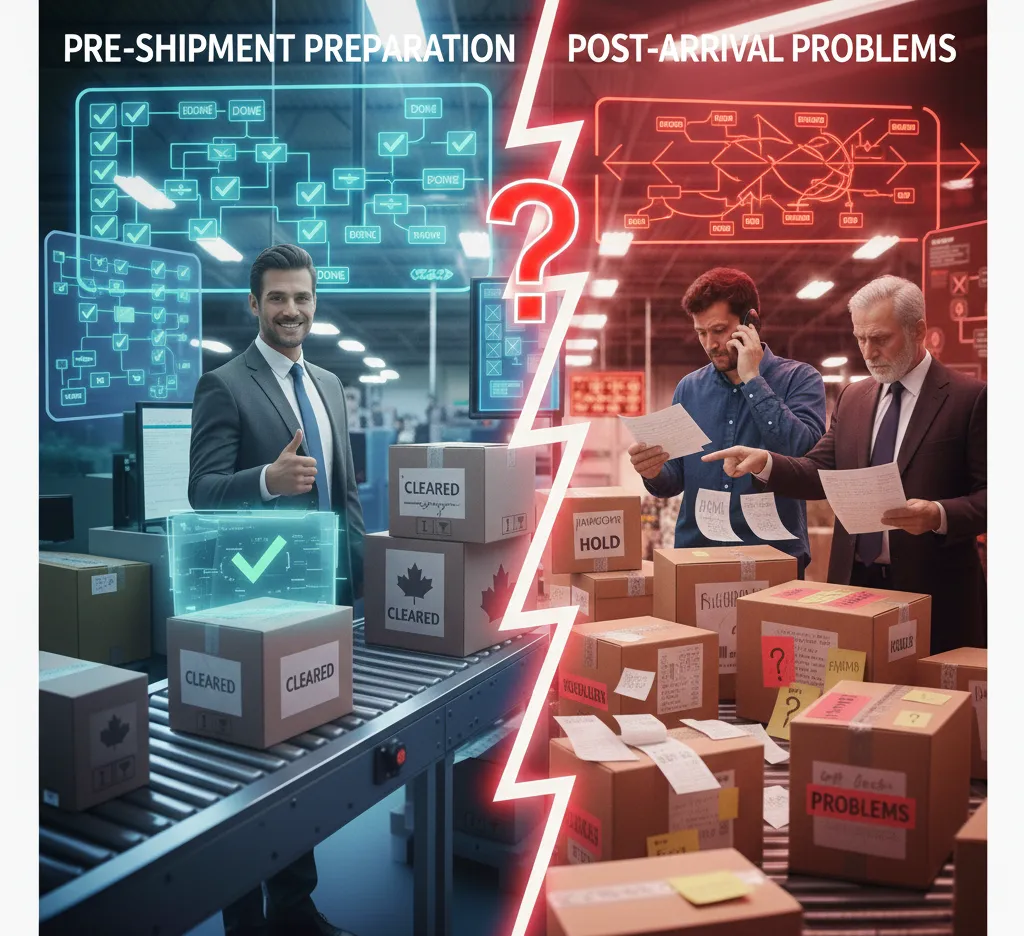
In practice, many customs delays in Canada are caused by minor paperwork errors, not by missing shipments or random inspections.

This post explains the most common paperwork mistakes that delay Canadian customs clearance, based on what actually shows up in real calls.

Mistake 1: Vague or Generic Product Descriptions

This is the most frequent issue. Descriptions like:

  • “Parts”
  • “Items”
  • “Merchandise”
  • “Personal goods”

might be acceptable for shipping, but they are not sufficient for customs.

CBSA needs descriptions detailed enough to:

  • Understand what the goods are
  • Classify them correctly
  • Assess duties and taxes

When descriptions are vague, CBSA has to stop and ask questions.

A good description explains what the item is, what it’s made of, and what it’s used for. Examples of good descriptions:

  •  “Men’s cotton knit t-shirts, 100% cotton.”
  •  “Bluetooth wireless headphones with a microphone.”
  • “Automotive brake pads for passenger vehicles.”
  • “Stainless steel kitchen knives, 6-inch blade length.”
  • “Vitamin C dietary supplements, 500mg tablets, 100-count bottles.”
  • “LED light fixtures for indoor commercial use.”

Mistake 2: Incomplete or Inconsistent Commercial Invoices

An invoice can exist and still be a problem. Common invoice issues include:

  • Vague product descriptions that are too generic for classification purposes (for example, “parts,” “samples,” “clothing”, “accessories”, or the very worst “deal of the week/sale item”)
  • The invoice references internal SKUs only, with no plain-language product identification
  • No Currency listed or multiple currencies with unclear exchange assumptions
  • Totals don’t add up
  • Missing buyer or seller details
  • The parties on the invoice do not match the other documents
  • The consignee or importer's name does not match the BN/RM account or the customs declaration
  • The invoice is missing a complete quantity breakdown, including unit count, weight, or packaging details.
  • No country of origin
  • The invoice does not include the country of export or manufacture, which CBSA may need for tariff treatment and risk screening.
  • The invoice is not signed or dated when required
  • The invoice is issued in a foreign language, with no English or French translation available.
  • The invoice does not indicate whether the goods are sold, returned, repaired, leased, or provided free of charge, which affects their valuation and accounting treatment.
  • The invoice has been amended after shipping, which can raise compliance red flags and trigger further review.
  • The invoice conflicts with other documents, such as the packing list, bill of lading, or purchase order
  • Inconsistencies with other shipping documents

Even small errors can trigger questions, because CBSA relies on this document to make legal and financial decisions. When CBSA detects inconsistencies, it pauses clearance until they’re resolved.

This is why people often say:

“I sent the invoice. Why isn’t that enough?”

Mistake 3: Declared Values That Don’t Match the Goods

Another frequent trigger is valuation. CBSA questions values when:

  • They appear unusually low
  • Discounts aren’t explained
  • The invoice doesn’t reflect the actual transaction
  • Supporting value details are missing

Even honest mistakes can lead to delays if the value doesn’t make sense on its own.

Mistake 4: Missing or Unclear Importer Information

CBSA must know who is responsible for the shipment. Delays occur when:

  • Importer details are missing
  • The importer didn’t realize they were listed
  • Responsibility is unclear between the parties

If CBSA doesn’t know who to contact or hold accountable, clearance stops.

Mistake 5: Assuming Shipping Paperwork Equals Customs Paperwork

This misunderstanding comes up frequently on calls. Shipping paperwork is designed to facilitate the movement of a package. Customs paperwork is designed to explain it.

A shipment can travel smoothly through a carrier’s network and still fail at customs if the documents don’t meet CBSA’s requirements.

Mistake 6: Fixing Problems One Document at a Time

When CBSA raises questions, some people respond by:

  • Fixing one detail
  • Sending partial updates
  • Correcting documents inconsistently

This often creates more confusion and more questions. CBSA looks for consistent information across all documents, not isolated fixes.

Mistake 7: Waiting Instead of Responding

A common belief is:

“If I wait, it will clear on its own.”

In most cases, clearance doesn’t move until CBSA receives what they’re asking for. Waiting without addressing the issue usually extends the delay.

Why These Mistakes Are So Common

Based on call patterns, paperwork mistakes happen because:

  • Documents were created quickly
  • The focus was on shipping, not customs
  • Responsibilities weren’t clearly defined
  • The importance of detail was underestimated

Most people don’t realize how strict customs paperwork is until something goes wrong.

How to Reduce Paperwork-Related Delays

Delays are far less likely when:

  • Descriptions are specific and clear
  • Invoices are complete and consistent
  • Values are well supported
  • The importer's responsibility is clearly identified
  • All documents tell the same story

Clarity and consistency matter more than volume.

The Most Important Takeaway

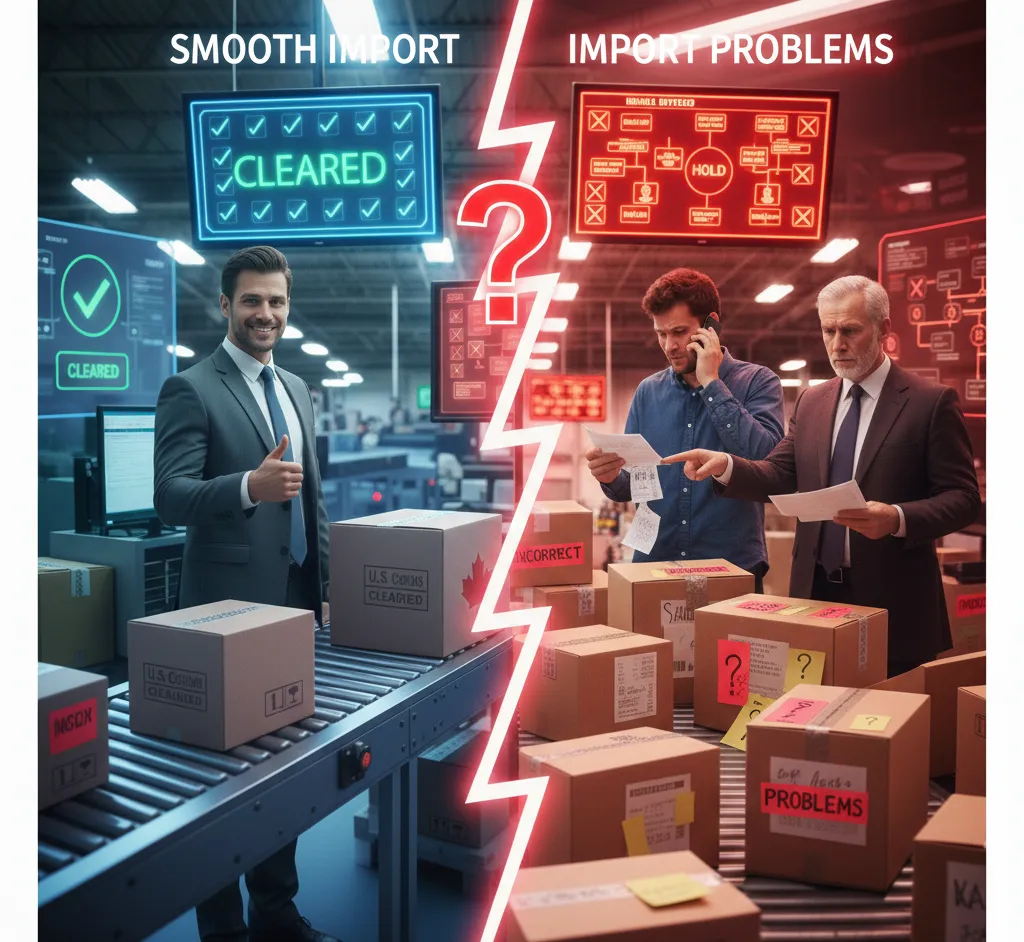
Canadian customs clearance rarely fails because of one big mistake. It fails because of:

  • Small omissions
  • Vague descriptions
  • Inconsistent information

These issues are easy to miss, but they stop clearance just as effectively as missing documents.

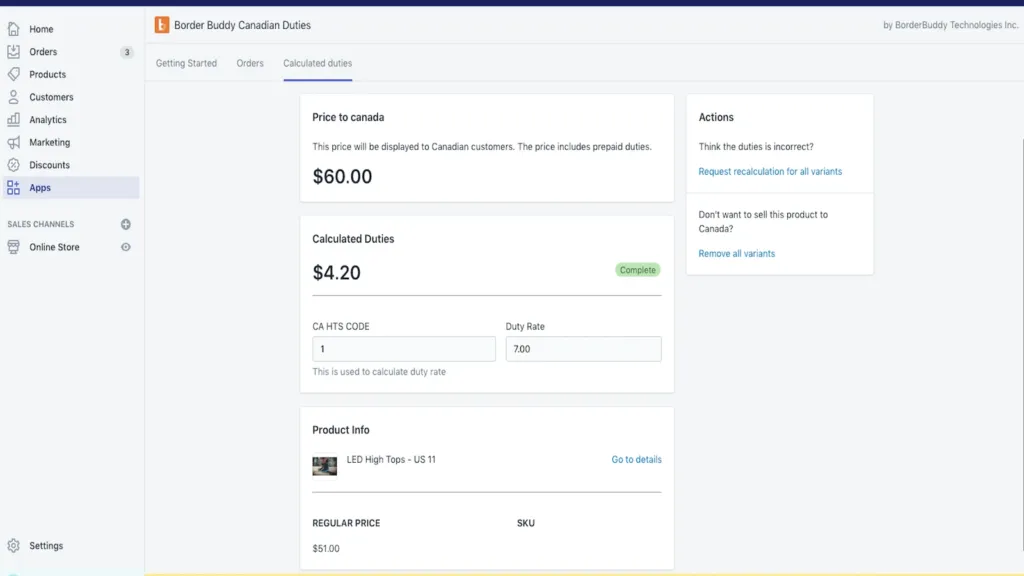
Paperwork mistakes often lead to unexpected fees.

Run your shipment through BorderBuddy’s duty & tax calculator to see what charges may apply. BorderBuddy’s calculator also uses AI to help classify goods under the correct HS (Harmonized System) code, a key factor in determining the duty rate applied to an import.

What to Read Next

People dealing with paperwork issues usually ask next:

Still Need Help With Your Import?

If you still didn’t find what you were looking for, BorderBuddy is here to help.

Our team can help you get clear answers and avoid delays at the border.

Blogs

Stay informed with
our insightful blogs

Common Documentation Mistakes in U.S. Imports

What Documents Are Required for Customs Clearance in Canada