


.svg)
.svg)
















.png)































Simplify your customs today
Calculate duties and taxes

.avif)
.avif)
.svg)
Streamlining customs clearance

.svg)
.svg)
.svg)
.svg)
import into canada
Import into the USA
.avif)
© 2026 Borderbuddy, All rights reserved.
Designed by SupaStellar


U.S. customs clearance depends on one role more than almost any other: the importer of record. Many import problems start when the responsibility remains unclear. Shipments slow down when U.S. Customs ask:
This post explains who the importer of record is in U.S. imports and why this role determines how smoothly clearance proceeds.
The importer of record is the party that takes responsibility for bringing goods into the United States. The importer of record:
CBP uses this role to identify accountability. The importer of record is also the party tied to the customs bond when a bond is required for formal entry.
CBP needs a responsible party for every import and cannot clear goods without knowing:
If no one clearly fills that role, clearance stops. CBP must also be able to link the importer of record to a valid U.S. identifier, such as an EIN or IRS number, to process the entry properly.
In many imports, the importer of record is:
The importer of record is not automatically:
Confusion starts when different parties assume someone else holds responsibility. In some cases, a foreign company can serve as the importer of record. Still, it often requires additional setup, including a customs bond and a U.S.-based agent for certain compliance functions.
A customs broker can manage the process, but the broker does not become the importer of record. The importer of record remains responsible for:
A broker helps execute clearance. The importer owns the obligation. Using a broker does not transfer legal liability. CBP holds the importer accountable for what is declared.
When importer details don’t match or remain incomplete, CBP may:
Responsibility gaps create preventable delays. Many shipments stall simply because the importer of record was not adequately established before arrival.
The importer of record must ensure that the shipment includes:
Classification drives duty rates. Incorrect classification creates cost surprises and customs questions. The importer's responsibility includes getting classification right. In today’s environment of additional duties and heightened enforcement, importer accountability for classification and value has never been more critical.
Imports move faster when:
Clear responsibility prevents last-minute confusion at the border. Importers are also required to retain customs entry records for five years in case CBP audits the shipment after release.
The importer of record is responsible for accountability in U.S. imports. The CBP clears shipments faster when one party clearly:
Responsibility drives clearance.
Accurate classification and cost planning help importers avoid surprises.
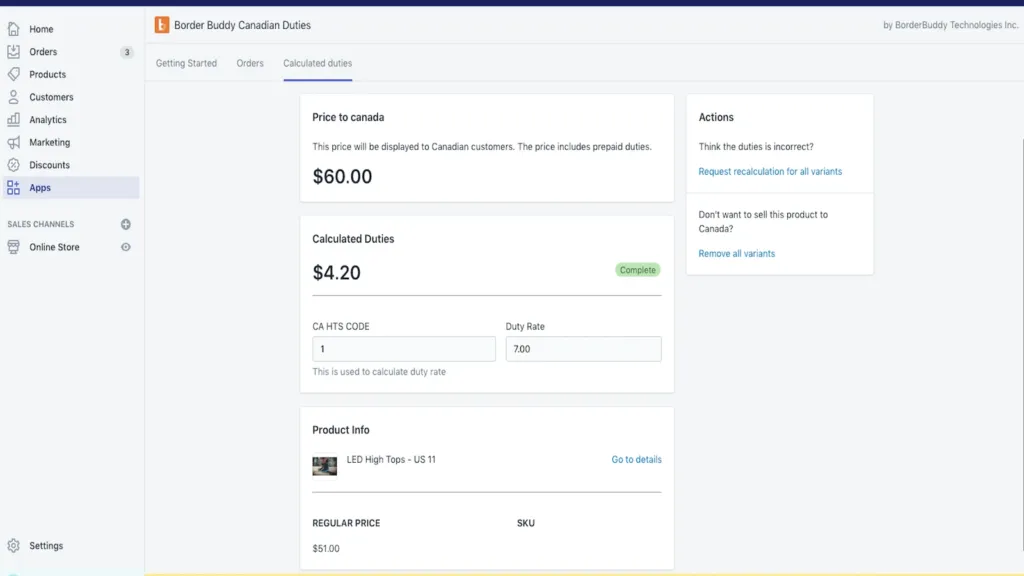
Use the BorderBuddy duty & tax calculator to get a quote. It helps you estimate expected import duties, taxes and fees, potential tariff-related charges, and total landed cost before shipping.
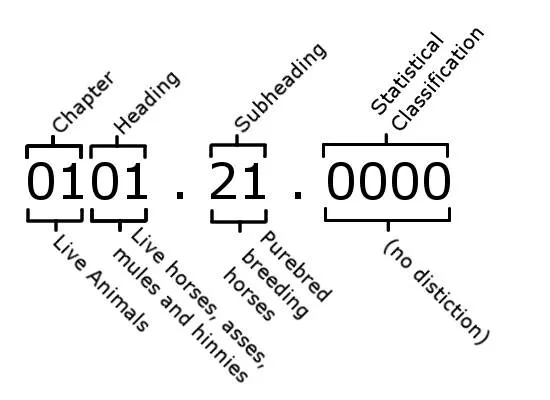
BorderBuddy’s calculator also uses AI to help classify goods under the correct HTS (Harmonized Tariff Schedule), which determines duty rates on U.S. imports.
People learning about importer responsibility often ask next:
If you still didn’t find what you were looking for, BorderBuddy is here to help.
Our team can help you get clear answers and avoid delays at the border.

.svg)
.svg)