


.svg)
.svg)






























































.png)

Simplify your customs today
Calculate duties and taxes

.avif)
.avif)
.svg)
Streamlining customs clearance

.svg)
.svg)
.svg)
.svg)
import into canada
Import into the USA
.avif)
© 2026 Borderbuddy, All rights reserved.
Designed by SupaStellar


U.S. Customs inspections often feel random because a shipment can move normally through the process and then suddenly pause when an inspection is triggered. In reality, U.S. Customs and Border Protection (CBP) flags imports for inspection for consistent and practical reasons. Most inspections trace back to a lack of clarity rather than wrongdoing.
This post explains why U.S. imports are flagged for inspection and what typically causes U.S. Customs to take a closer look.
U.S. Customs flags shipments when information does not fully explain the goods. Customs asks:
When those questions remain open, inspection becomes the next step. Inspection allows CBP to verify the accuracy of the declared entry information.
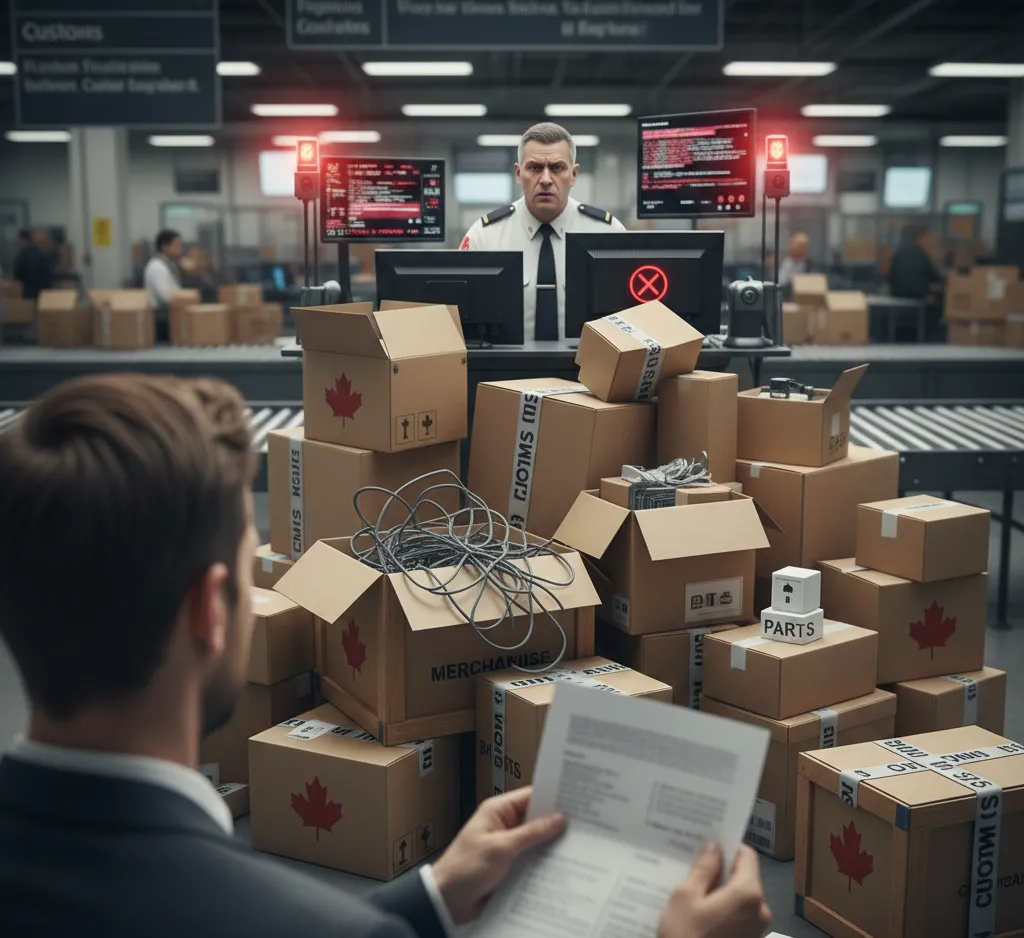
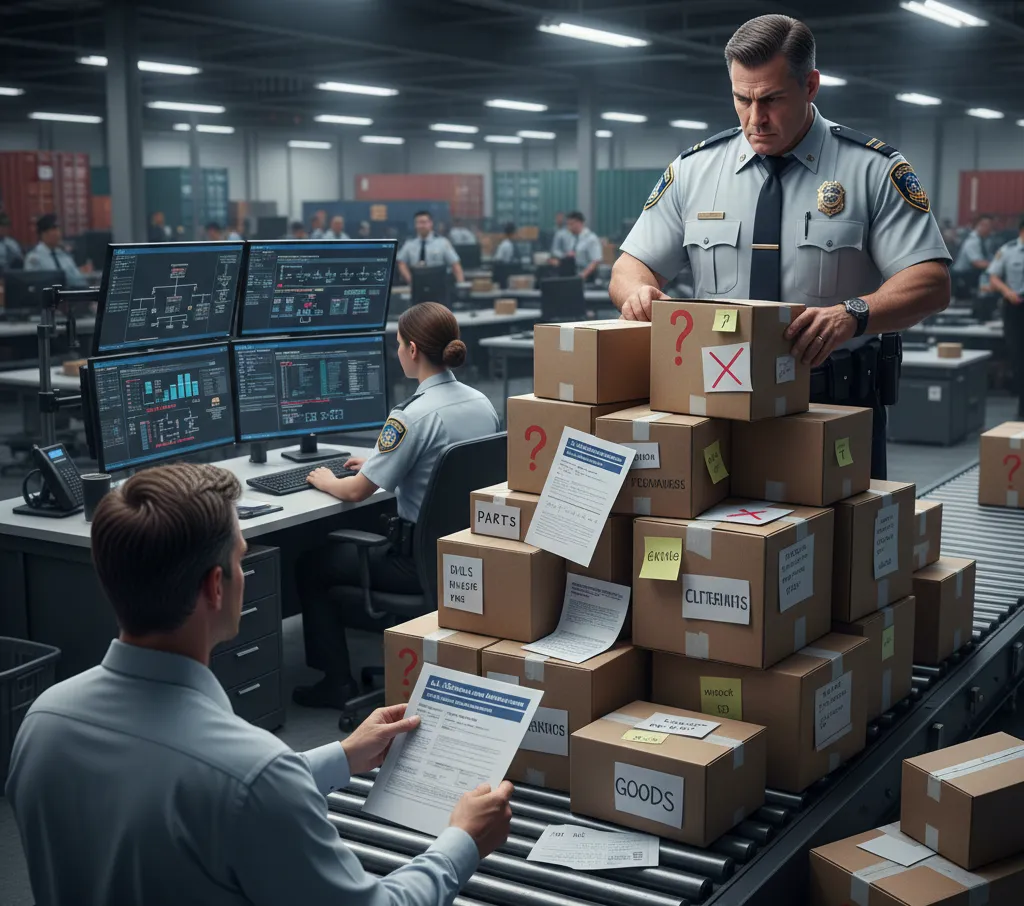
Generic descriptions raise red flags. Descriptions such as parts, components, merchandise, or samples lack the detail U.S. Customs needs to understand the goods.
Customs needs to understand what the product is, what it is made of, and how it is used. When descriptions stay vague, inspection often follows.
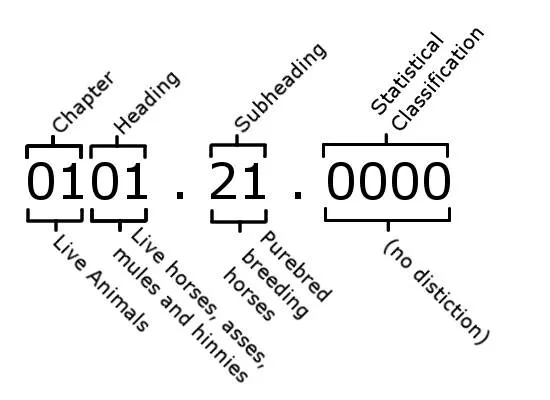
HTS classification determines duty rates and the treatment for compliance. Inspection becomes more likely when:
Customs uses inspection to confirm that the declared classification fits the actual goods. Physical examination allows CBP to verify product composition and function.
U.S. Customs reviews the declared value carefully. Inspection may occur when:
When value raises doubt, inspection helps customs verify the shipment. CBP may compare declared values to historical data for similar imports.
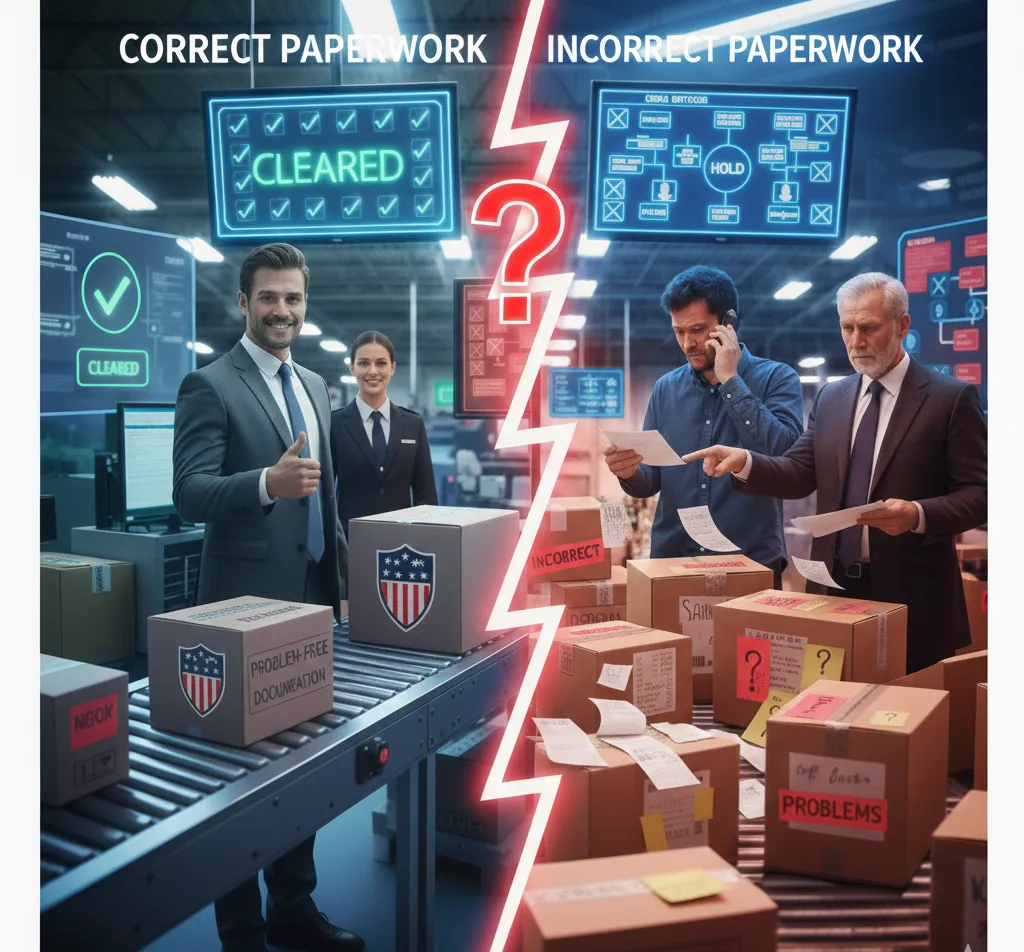
Customs compares information across all documents. Inspection often follows when:
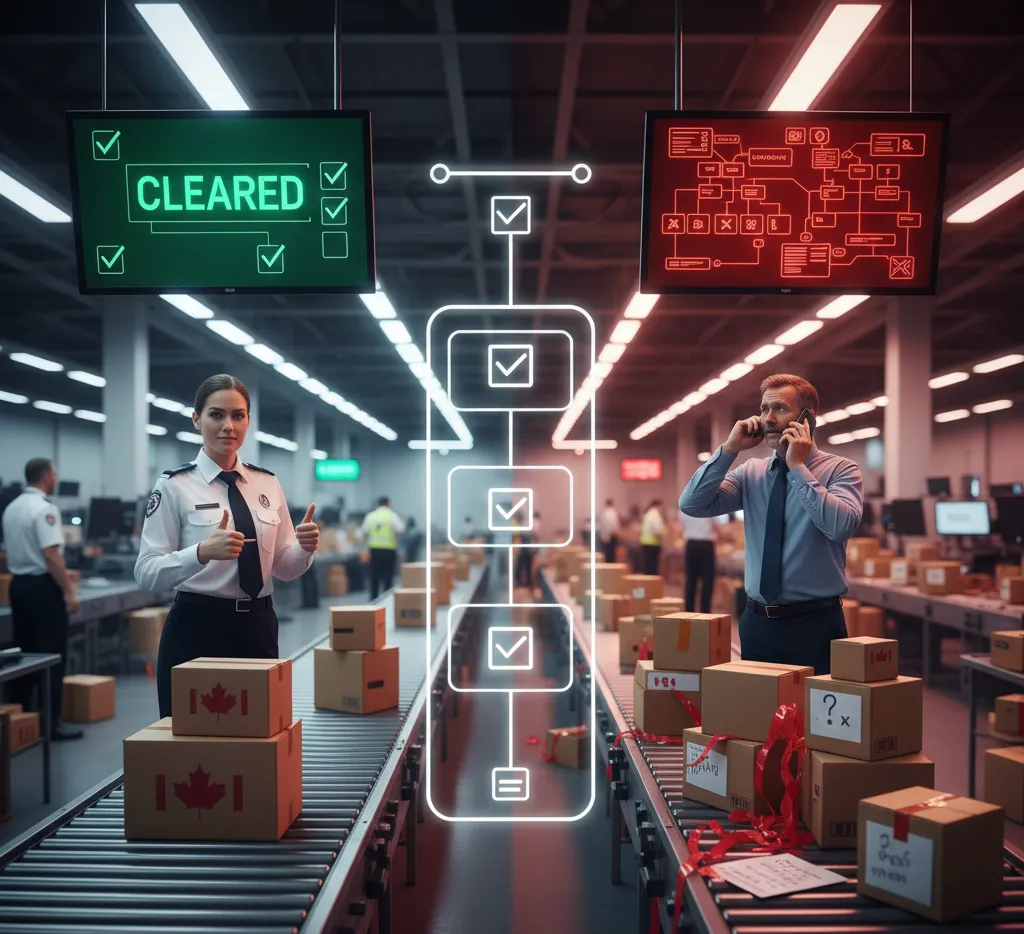
Consistency reduces inspection risk.
Customs must know who takes responsibility for the import. Inspection becomes more likely when:
Clear responsibility helps avoid deeper review. The importer of record remains responsible for demonstrating compliance.
Customs also inspects some shipments as part of broader enforcement activity.
Selection may consider:
Even well-prepared shipments can face inspection under these conditions.
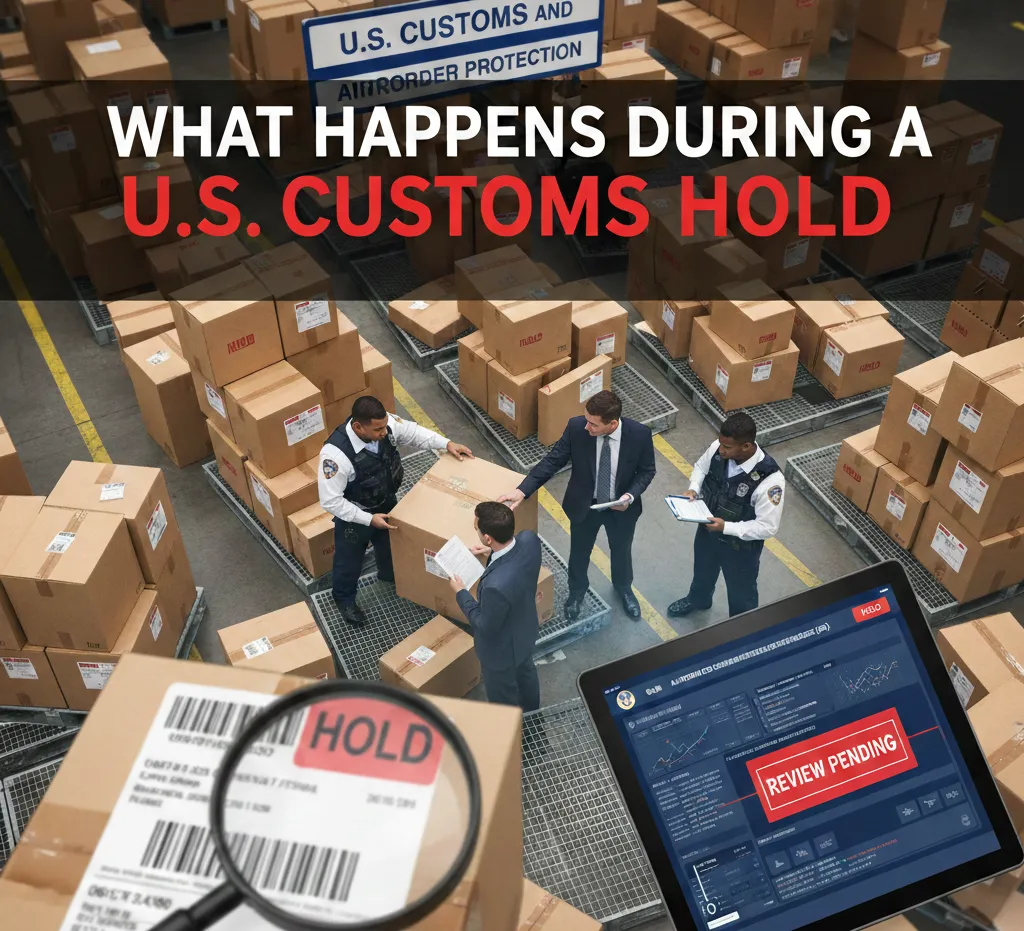
During inspection, U.S. Customs may:
The shipment does not proceed until customs completes its review. Inspection can result in additional duties, reassessment, or release without change.
Imports face fewer inspections when:
Preparation reduces follow-up questions.
U.S. Customs flags imports for inspection to resolve unanswered questions. Clear documentation, accurate classification, and consistent information reduce inspection risk and shorten review time.
Inspection is a verification step, not an automatic penalty.
Early classification and cost planning help prevent inspection delays.
Use the BorderBuddy duty and tax calculator to get a quote. It helps you estimate expected import duties, tariffs, additional charges, taxes, and fees, as well as the total landed cost before shipping.
BorderBuddy’s calculator also uses AI to help classify goods with the correct HTS classification, which determines duty rates and supports smoother U.S. customs review.
People dealing with inspections often ask next:
If you still didn’t find what you were looking for, BorderBuddy is here to help.
Our team can help you get clear answers and avoid delays at the border.

.svg)
.svg)