


.svg)
.svg)
















.png)



















































Simplify your customs today
Calculate duties and taxes

.avif)
.avif)
.svg)
Streamlining customs clearance

.svg)
.svg)
.svg)
.svg)
import into canada
Import into the USA
.avif)
© 2026 Borderbuddy, All rights reserved.
Designed by SupaStellar


Many import problems surface only after a shipment is already underway. As U.S. Customs and Border Protection (CBP) reviews the paperwork more closely, a detail fails to line up, and a question follows. At that point, the same question comes up again and again. Can this be fixed now?
This post explains what can and cannot be fixed with U.S. customs paperwork after shipping and why timing matters so much during the clearance process.
Certain paperwork problems can be corrected after a shipment has been made. Corrections often involve:
U.S. Customs allows updates when the issue involves clarification rather than enforcement. Corrections are generally easier before the final release or liquidation of the entry.
Corrections become more difficult as the shipment progresses. Fixes are more likely when:
Once customs reaches a final determination, options narrow. After release, formal post-entry amendments may be required.
Some issues become more difficult after shipping. These include:
When errors affect duty calculation or compliance, customs may require a formal review.
Many delays worsen because fixes are implemented in stages. Customs may ask a question, receive an incomplete response, and then identify another issue that needs clarification. Each round adds time. Customs waits for complete answers before moving forward.
The importer of record (IOR) holds responsibility for correcting paperwork. Even when a broker submits changes, the importer remains accountable for accuracy and completeness. Clear ownership speeds resolution.
Delegating filing to a broker does not transfer legal responsibility.
When corrections arrive after customs completes review, consequences may include:
Late fixes reduce flexibility. Post-entry corrections may involve formal amendment procedures and additional documentation.
Imports face fewer problems when:
Preparation before shipping saves time later.
Some U.S. customs paperwork can be fixed after shipping, but timing and severity matter. Corrections work best when issues involve missing clarity rather than fundamental errors that affect duties or compliance. Early preparation remains the most effective solution.
Accurate classification and cost planning help prevent post-shipping fixes.
Use the BorderBuddy duty and tax calculator to get a quote. It helps you estimate expected import duties, tariffs, additional charges, taxes, and fees, as well as the total landed cost before shipping.
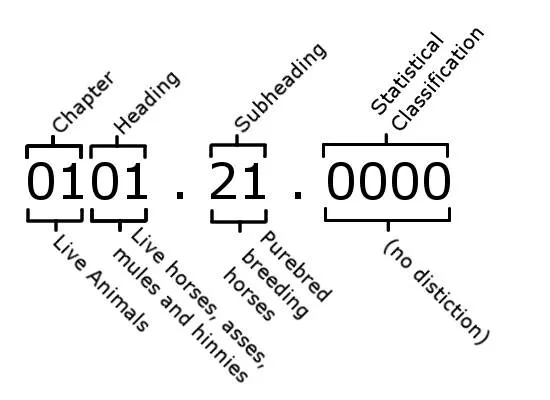
BorderBuddy’s calculator also uses AI to help classify goods with the correct HTS classification, which determines duty rates and supports accurate U.S. import documentation.
People dealing with paperwork corrections often ask next:
If you still didn’t find what you were looking for, BorderBuddy is here to help.
Our team can help you get clear answers and avoid delays at the border.

.svg)

.svg)