


.svg)
.svg)























.png)



































Simplify your customs today
Calculate duties and taxes

.avif)
.avif)
.svg)
Streamlining customs clearance

.svg)
.svg)
.svg)
.svg)
import into canada
Import into the USA
.avif)
© 2026 Borderbuddy, All rights reserved.
Designed by SupaStellar


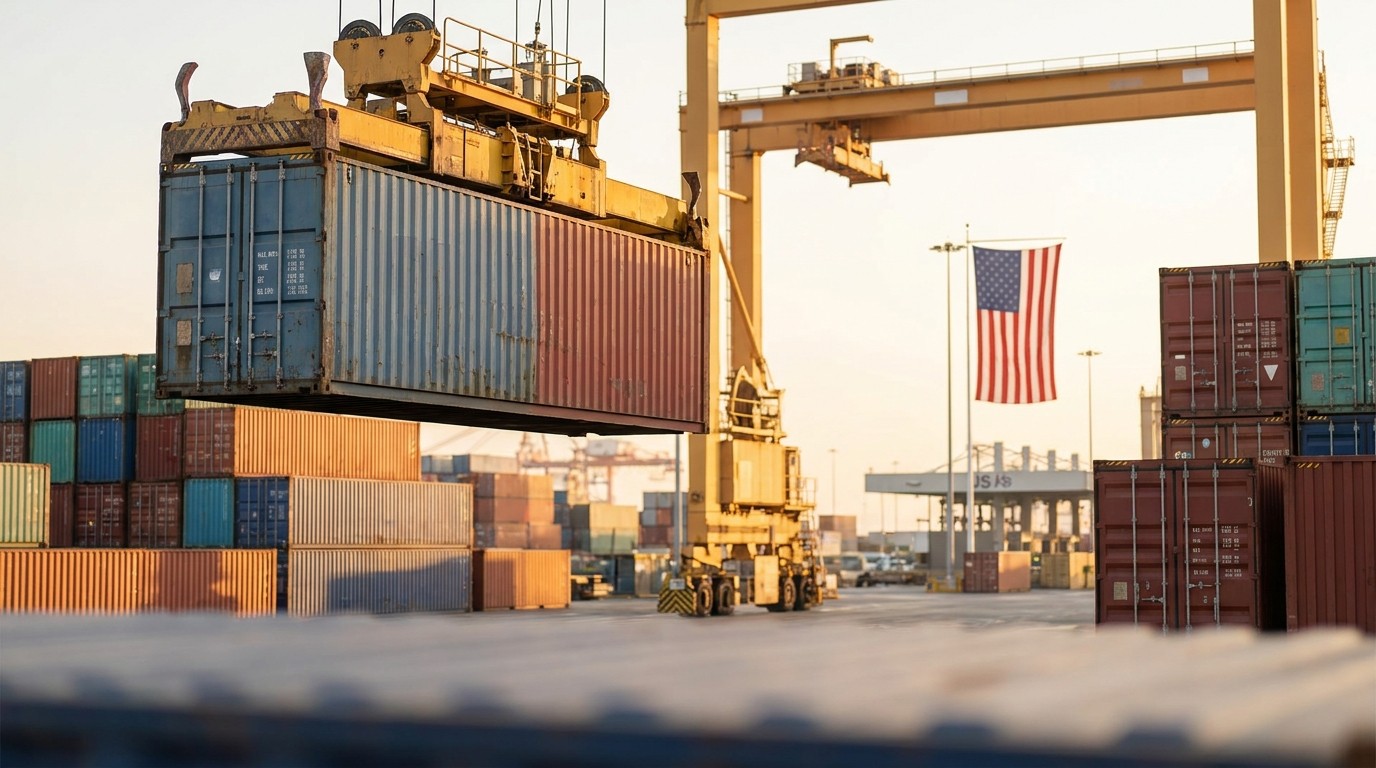
Bringing a one-off shipment into the United States and getting told you need a bond can stall everything at the border. A single entry customs bond covers exactly that situation: one shipment, one entry. US Customs and Border Protection (CBP) requires it on most commercial imports valued over $2,500, and it is the lower-commitment option for importers who do not ship often.
This guide explains what a single entry bond is, what it costs, how CBP sets the bond amount, and the simple rule for deciding between a single entry and a continuous bond.
Need a bond fast? Call BorderBuddy at +1 (877) 409-8163 or email service@borderbuddy.com and we will arrange your single entry bond and clear your shipment.
A single entry customs bond is a financial guarantee to CBP that covers the duties, taxes, and fees owed on one import shipment. It is valid for that single entry only, at one port.
The bond is also called a single transaction bond (SEB or STB). It works like an insurance policy with three parties: you (the importer, or principal), the surety company that backs the bond, and CBP. If you fail to pay what you owe the government, CBP can claim against the bond, and the surety pays. You then repay the surety.
A single entry bond differs from a continuous bond in one key way. A continuous bond covers all of your shipments through any US port for a full year. A single entry bond covers just one. For more on how bonds fit into the import process, see our guide to customs bonds and the basics of what a customs bond is.
You need a single entry bond for most formal US entries valued over $2,500, and it is the smart choice when you import only occasionally. As a rule of thumb, if you bring in fewer than three or four shipments a year, a single entry bond usually costs less than a continuous one.
A few specifics decide whether the bond is required:
One more point for ocean freight: the Importer Security Filing (ISF) also needs bond coverage. With a single entry bond, that ISF coverage is usually arranged separately, which we cover below.
Not sure if your shipment needs a bond? Talk to a licensed BorderBuddy broker at +1 (877) 409-8163 or service@borderbuddy.com and we will confirm what you need.
A single entry bond premium typically runs about $5 to $8 per $1,000 of bond value, and most brokers apply a minimum fee of roughly $75 to $150 for small shipments. The premium is what you pay; it is not refundable, because it is a fee for the guarantee rather than a deposit.
Two numbers matter here, and importers often confuse them:
For ocean shipments, budget for an additional ISF bond on top of the entry bond. Exact pricing varies by surety and by the type of goods, since higher-risk commodities can carry higher premiums.
CBP generally sets the single entry bond amount at the total value of the goods plus all duties, taxes, and fees. For goods subject to other government agencies, or to anti-dumping and countervailing duties, CBP often requires a bond of up to three times the shipment value.
Here is a worked example for a furniture shipment worth $20,000 with a 5% duty rate:
If that same shipment were subject to anti-dumping duties, CBP could set the bond amount at three times the value, raising both the coverage and the premium.
Want an exact quote for your shipment? Call +1 (877) 409-8163 or email service@borderbuddy.com and BorderBuddy will size the bond and handle the paperwork.
Choose a single entry bond for one-off or rare shipments, and switch to a continuous bond once you import regularly. The break-even point usually lands around three to four shipments per year, or whenever your combined single-entry premiums start to exceed the flat cost of a continuous bond.
The two bonds differ on more than price:
For frequent importers, the continuous bond convenience and ISF inclusion usually outweigh its higher upfront cost. Our continuous bond overview goes deeper on that option.
You buy a single entry bond through a surety company or, more commonly, through a licensed customs broker who arranges it as part of clearing your shipment. Going through a broker is faster, because they handle the surety relationship and the entry filing together.
The process is short:
BorderBuddy handles the bond and your US customs clearance together, so your goods do not sit at the port. Call +1 (877) 409-8163 or email service@borderbuddy.com to get started.
A single transaction bond is another name for a single entry bond. Both terms describe a bond that covers one import entry. You may also see it abbreviated as SEB or STB.
No. The premium you pay is a non-refundable fee for the guarantee itself. It is not a deposit, so you do not get it back after the shipment clears.
For ocean shipments, yes. The Importer Security Filing needs its own bond coverage, and with a single entry bond that ISF coverage is usually arranged as a separate bond. A continuous bond includes ISF coverage automatically.
Usually within a day. A customs broker can arrange a single entry bond quickly, often in time for your shipment to clear on arrival, as long as you have signed the POA and provided your shipment details.
A single entry customs bond is the right, lower-commitment choice for occasional US importers: it covers one shipment, satisfies the CBP requirement on entries over $2,500, and costs only a small premium per shipment. Run the numbers against a continuous bond if you ship more than a few times a year, since frequent importers usually save with the annual option.
Not sure which bond fits your shipment? Talk to a BorderBuddy broker and get a free quote. Call +1 (877) 409-8163 or email service@borderbuddy.com, and we will size the bond, handle the surety paperwork, and clear your goods so nothing sits at the border.

.svg)
.svg)