


.svg)
.svg)










.png)


















































Simplify your customs today
Calculate duties and taxes

.avif)
.avif)
.svg)
Streamlining customs clearance

.svg)
.svg)
.svg)
.svg)
import into canada
Import into the USA
.avif)
© 2026 Borderbuddy, All rights reserved.
Designed by SupaStellar



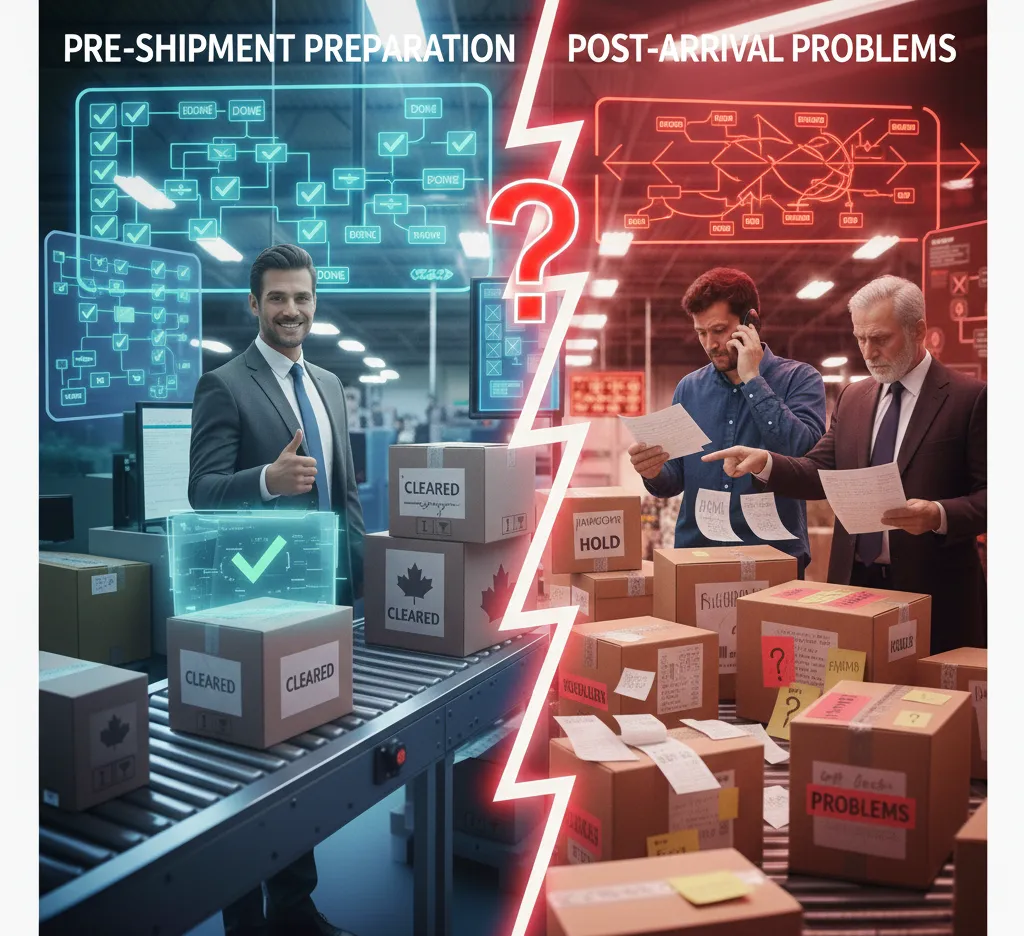
Most customs problems don’t start at the border. They start before shipping, often because something seemed minor or unnecessary at the time. The same themes show up repeatedly:
This post explains how to avoid customs problems before shipping to Canada, based entirely on what goes wrong later when these steps are skipped.
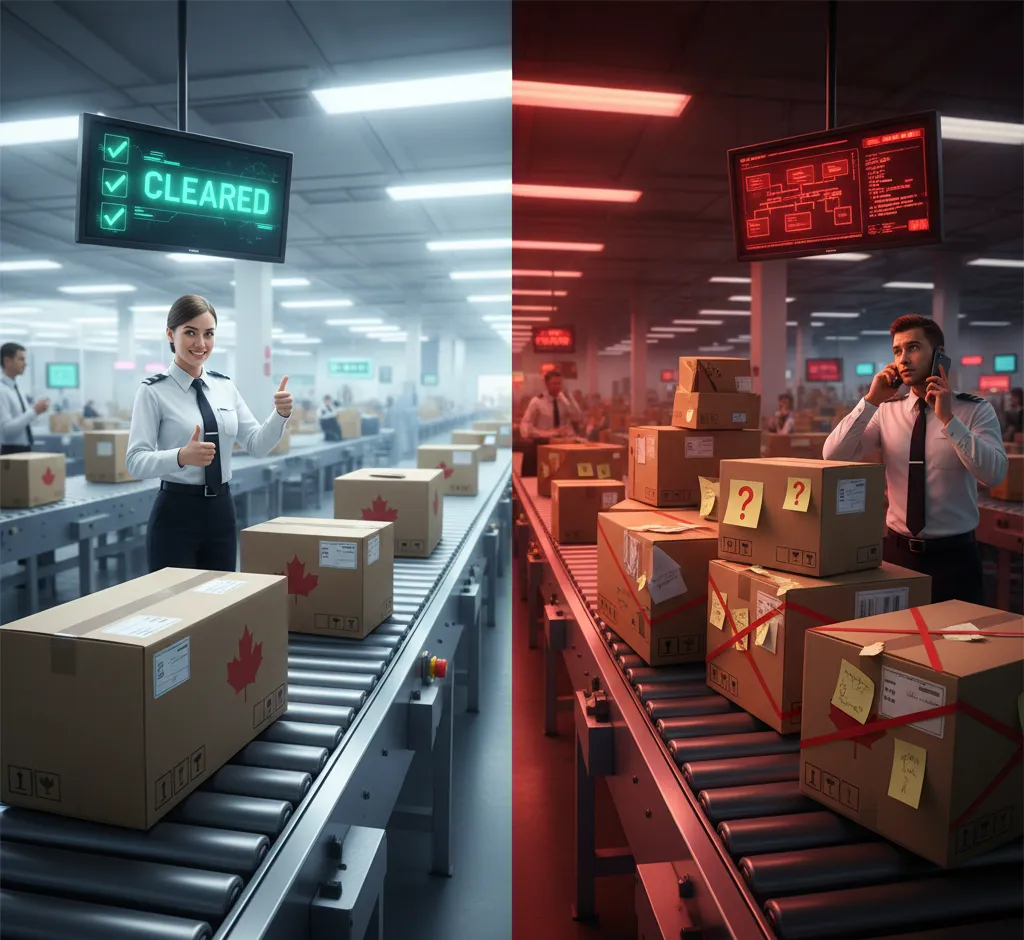
Based on our experience, the most difficult customs problems share one thing in common. They are discovered after the shipment is already moving.
At that point:
Avoiding problems before shipping is far easier than fixing them after arrival.
One of the most common early mistakes is vague descriptions. Problems start when goods are described as:
Before shipping, the description should clearly explain:
Clear descriptions reduce questions, delays, and the need for reassessment later.
Invoices cause many customs problems because they’re treated as proof of payment rather than as explanations of the transaction. Before shipping, make sure the invoice clearly shows:
When the invoice doesn’t clearly explain the shipment, CBSA asks questions later.
Some goods require more than paperwork — they require admissibility. Food, health products, electronics, and regulated goods may trigger requirements from Partner Government Agencies (CFIA, Health Canada, Transport Canada, etc.). If those requirements aren’t handled before shipping, clearance delays are almost guaranteed.
Confusion around responsibility is one of the biggest causes of stalled shipments. Before shipping, it should be clear:
When this isn’t established up front, clearance problems arise later.
Many problems come from assuming:
In reality, duties, taxes, and surcharges can:
Thinking about cost before shipping avoids surprises at arrival.
For commercial importers under CARM, financial security and importer setup now affect whether goods can even be released before payment.
Another common misconception is:
Shipping moves goods. Customs explains them. If customs can’t clearly understand the shipment, it doesn’t matter how fast the carrier is. Before shipping, it’s important to confirm that:
Most customs problems begin with this assumption.
Fixing issues after shipping almost always leads to:
Issues that are minor before shipping become major once the shipment arrives.
Customs problems usually happen because:
Addressing these points before shipping removes the most common failure points.
CBSA clearance is rarely about one missing document. It’s about whether the shipment makes sense on first review.
The easiest customs problems to solve are the ones that never happen. Most serious delays, fees, and frustrations could have been avoided by:
Preparation before shipping determines how smooth the rest of the process will be.
One of the most effective ways to prevent customs problems is to understand the numbers early.
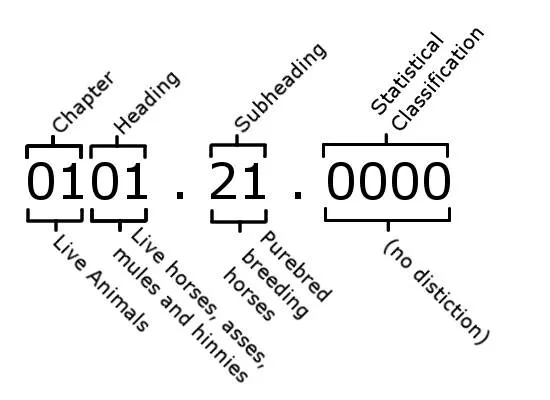
Use the BorderBuddy duty & tax calculator to get a quote. It helps you understand expected duties and taxes, potential additional charges, and total landed cost before the shipment moves. BorderBuddy’s calculator also uses AI to help classify goods under the correct HS (Harmonized System) code, a key factor in determining the duty rate applied to an import.
What to Read Next
People focused on preventing problems usually ask next:
If you still didn’t find what you were looking for, BorderBuddy is here to help.
Our team can help you get clear answers and avoid delays at the border.

.svg)
.svg)